%20--%3e%3cdefs%3e%3cstyle%3e%20.st0%20{%20fill:%20%231d1d1b;%20}%20%3c/style%3e%3c/defs%3e%3cpath%20class='st0'%20d='M174.5,69.9c-2.1-4.9-5.6-10.7-10.4-17.3-4.9-6.6-11-13.3-18.2-20-8.3-8.3-17.9-14.7-28.8-19-10.9-4.4-21.9-6.6-33-6.6s-23.7,2.7-33,8.1c-6.4,4.4-11.6,10.3-15.1,17.7-3.7,7.3-5.4,15.2-5.4,23.6,0,32.9,22.7,53.8,68,62.6,35.6,7,60.4,17.4,74.7,31.3,14.2,13.9,20.5,32.9,18.7,57-1.3,25.5-10.7,44.2-28.2,56.3-17.4,12.2-38.5,18.4-62.8,18.7-20-.2-38.3-3-55.2-8.1-16.9-5.2-31.2-12.6-43.1-22.1l-1.1-67.7c7.2,22.8,19.5,42,36.8,57.6,17.2,15.6,36.3,25.6,57.3,29.9,7.6,1.6,14.8,2.3,21.8,2.3,17.1,0,31.1-4.2,42.2-12.7,11-8.4,16.6-21.2,16.6-38.3s-6.4-30.7-19.5-43c-13-12.3-36.5-22.2-70.4-29.8-29.3-6.4-49.3-16.2-60.1-29.3-10.8-13.1-15.9-29.1-15.3-48,.2-14,4.2-26.3,12-37.1s18.4-19.2,31.9-25.2c13.4-6.1,28.8-9.1,45.9-9.1s28.2,1.9,41,5.7c12.8,3.8,23.7,8.3,32.5,13.8l.8,49h-.3Z'/%3e%3cpath%20class='st0'%20d='M269.3,250c0,11.1,3.7,18.4,10.9,22,7.2,3.4,14,5.2,20.2,5.2h-90.2c6.2,0,12.9-1.8,20-5.2,7.1-3.4,10.7-10.8,10.7-22V32.1c0-11.1-3.4-18.4-10.4-22-7-3.4-13.8-5.2-20.2-5.2h90.2c-6.4,0-13.3,1.8-20.5,5.2s-10.7,10.8-10.7,22v217.7h0ZM403.9,236.7c8.8,11.4,17.7,20.5,26.7,27.2,8.9,6.8,16.8,11.2,23.6,13.6l-53.7-.8c-9.1-8.3-18.2-18.6-27.6-30.7l-73.1-94.9c-2.3-3.1-5.3-4.7-8.9-4.7-6,0-12.4,3.7-19.5,10.9l90.6-108.5c5.7-6.8,8.6-13.4,8.6-20.2s-2-11.1-6-15.3-9.2-6.9-15.8-8h80.5c-2.3,0-7.6,1.7-15.8,5-8.1,3.3-17.7,9.9-28.6,19.5-4.9,4.4-13.1,13.6-24.7,27.6-11.6,14-21.6,26.3-30.1,36.9l-6.2,7.8c-5.7,5.7-8.6,11.1-8.6,16.3s1.9,8.4,5.8,13.6l82.8,104.6v.2Z'/%3e%3cpath%20class='st0'%20d='M516.2,248.4c0,11.7,3.7,19.3,11.1,23.1,7.3,3.8,14.3,5.7,20.8,5.7h-91.4c6.4,0,13.3-1.9,20.6-5.7s10.9-11.4,10.9-23.1V33.7c0-11.9-3.7-19.7-10.9-23.3s-14.1-5.4-20.6-5.4h91.4c-6.4,0-13.4,1.8-20.8,5.4-7.3,3.7-11.1,11.4-11.1,23.3v214.6h0Z'/%3e%3cpath%20class='st0'%20d='M770.2,243.3c4.9,13,10.8,21.7,17.4,26.2,6.8,4.6,12.7,7.1,17.9,7.6h-88.2c6.8-.8,12.4-2.9,17.1-6.2s7-8.1,7-14.3-.8-7.6-2.3-11.7l-28.8-80.9h-91l-25.7,70c-2.9,7.2-4.2,13.6-4.2,19,0,14.6,9.7,22.6,29.1,24.1h-72.4c8.8-.6,16.9-4.7,24.3-12.4,7.3-7.8,13.8-18.9,19.2-33.5L678-3.2l1.1,3.4,91,243.1ZM658.7,59.8c-1.9,4.4-4.6,11-8,19.8l-29.6,80.5h87.5l-30.7-87.5c-2.9-7.8-5.2-13-7.2-15.6-1.9-2.6-3.8-3.9-5.7-3.9s-4.4,2.2-6.4,6.6h.1Z'/%3e%3cpath%20class='st0'%20d='M1008.6,243.3c4.9,13,10.8,21.7,17.4,26.2,6.8,4.6,12.7,7.1,17.9,7.6h-88.2c6.8-.8,12.4-2.9,17.1-6.2s7-8.1,7-14.3-.8-7.6-2.3-11.7l-28.8-80.9h-91l-25.7,70c-2.9,7.2-4.2,13.6-4.2,19,0,14.6,9.7,22.6,29.1,24.1h-72.4c8.8-.6,16.9-4.7,24.3-12.4,7.3-7.8,13.8-18.9,19.2-33.5L916.3-3.2l1.1,3.4,91,243.1h.1ZM897.1,59.8c-1.9,4.4-4.6,11-8,19.8l-29.6,80.5h87.5l-30.7-87.5c-2.9-7.8-5.2-13-7.2-15.6-1.9-2.6-3.8-3.9-5.7-3.9s-4.4,2.2-6.4,6.6h.1Z'/%3e%3cpath%20class='st0'%20d='M1241.1,244.5c4.9,8.6,11,15.6,18.1,21s14.1,9.3,20.8,11.7h-47.8c-8-8-16.9-20.8-26.5-38.1l-37.3-63c-7.6-12.7-15.7-21-24.3-24.9s-19.6-5.8-32.5-5.8h-12.4v107.7c0,9.9,3.3,16.3,9.9,19.5s12.9,4.7,18.9,4.7h-87.9c6.4,0,13.2-1.8,20.2-5.2s10.4-10.8,10.4-22V32.1c0-11.1-3.6-18.4-10.7-22-7.1-3.4-13.8-5.2-20-5.2,10.3,0,25.5-.2,45.1-.8l37.7-.3c29,0,51.5,2.1,67.2,6.4,15.8,4.2,27.5,12.9,35,25.9,6.2,9.9,9.3,21.9,9.3,36.1s-2.4,22.2-7.3,32.5c-4.9,10.2-11.7,18.4-20.2,24.7-5.4,3.9-11.7,7.2-18.7,9.9s-13.4,4.3-19.5,4.9c4.7,1.3,9.6,4.2,14.8,8.9,5.2,4.7,11.1,13,17.9,24.9l39.7,66.5h0ZM1187.6,120.5c12.3-12.2,18.4-28.1,18.4-47.8s-7.4-42-22.3-51.6c-14.9-9.4-36.7-14.2-65.1-14.2s-15,.1-19.5.3v134.1c9.3,0,21.6-.2,36.6-.8,22.3-1.3,39.6-8,51.9-20.2h0Z'/%3e%3c/svg%3e)

With 25.7 million ski days sold and 895.8 million francs in transport revenue, the Swiss industry is once again approaching historic highs. But the truly significant data lies behind the figures: more international clients, large domains gaining scale, and an alpine model that increasingly depends less on heavy snowfall to operate.
There is a figure that quite well explains what is happening in the Swiss Alps: 895.8 million Swiss francs. This is what the ski lift companies earned during the 2025/26 winter season, the second-best result in their history.
The figure would be significant under any circumstances. It is even more so when observing the winter that produced it.
Switzerland has just experienced its sixth warmest winter season since records began, accompanied by a significant precipitation deficit. In another era, such a combination would have been enough to seriously compromise the accounts of a large part of the sector. This time it did not happen.
The country's resorts sold 25.7 million ski days, just 2.3% less than the 26.3 million recorded during the exceptional previous season. In business terms, the message is difficult to ignore: the Swiss winter is demonstrating a growing ability to decouple part of its economic results from the weather.
And that considerably changes the conversation.
From selling snow to managing an industry
For decades, a ski resort's business could be summarized by a relatively simple equation: good snowfalls meant more skiers; poor snowfalls, less revenue.
The European mountain of 2026 is considerably more sophisticated.
Switzerland has been investing for years in high-capacity ski lifts, snowmaking, piste preparation, digitalization, dynamic pricing systems, premium accommodation, catering, mobility, and experiences capable of extending visitor spending far beyond the ski pass.
The result is beginning to appear in the statistics.
Although the volume of ski days decreased slightly compared to the previous record, transport revenues remained practically at historic highs. 895.8 million francs compared to 903.6 million the previous season.
In other words: a 2.3% reduction in ski days produced a less than 1% drop in revenue.
This is not a minor detail.
It means that the economic value generated per day remains extraordinarily strong and points to an industry that is learning to better monetize its main asset.
The true growth comes from outside
But probably the most interesting data point from the Swiss winter is not in its ski lifts, but in the passports of those who use them.
International visitors generated 9.9 million ski days, the best result of the last decade. They now represent approximately 38.5% of all activity.
This is a significant transformation for a sector historically supported by a strong domestic market.
While ski days corresponding to Swiss customers decreased to approximately 15.8 million, international demand continued to grow. Germany remains the main foreign market, followed by the United Kingdom, France, the Netherlands, and the United States.
The latter deserves special attention.
The growth of American travelers is quietly changing certain alpine destinations. This is a long-haul customer, generally with longer stays and greater spending capacity, for whom a holiday in the Alps competes less with a regional getaway and more with other major international destinations.
Here Switzerland plays with several difficult-to-replicate advantages: stability, railway connectivity, high-level hospitality, security, gastronomy, landscape, and some of the planet's most recognizable mountain brands.
Zermatt, St. Moritz, Verbier, and Davos have long ceased to be merely ski resorts. They are global brands.
And global brands have something especially valuable in tourism: pricing power.
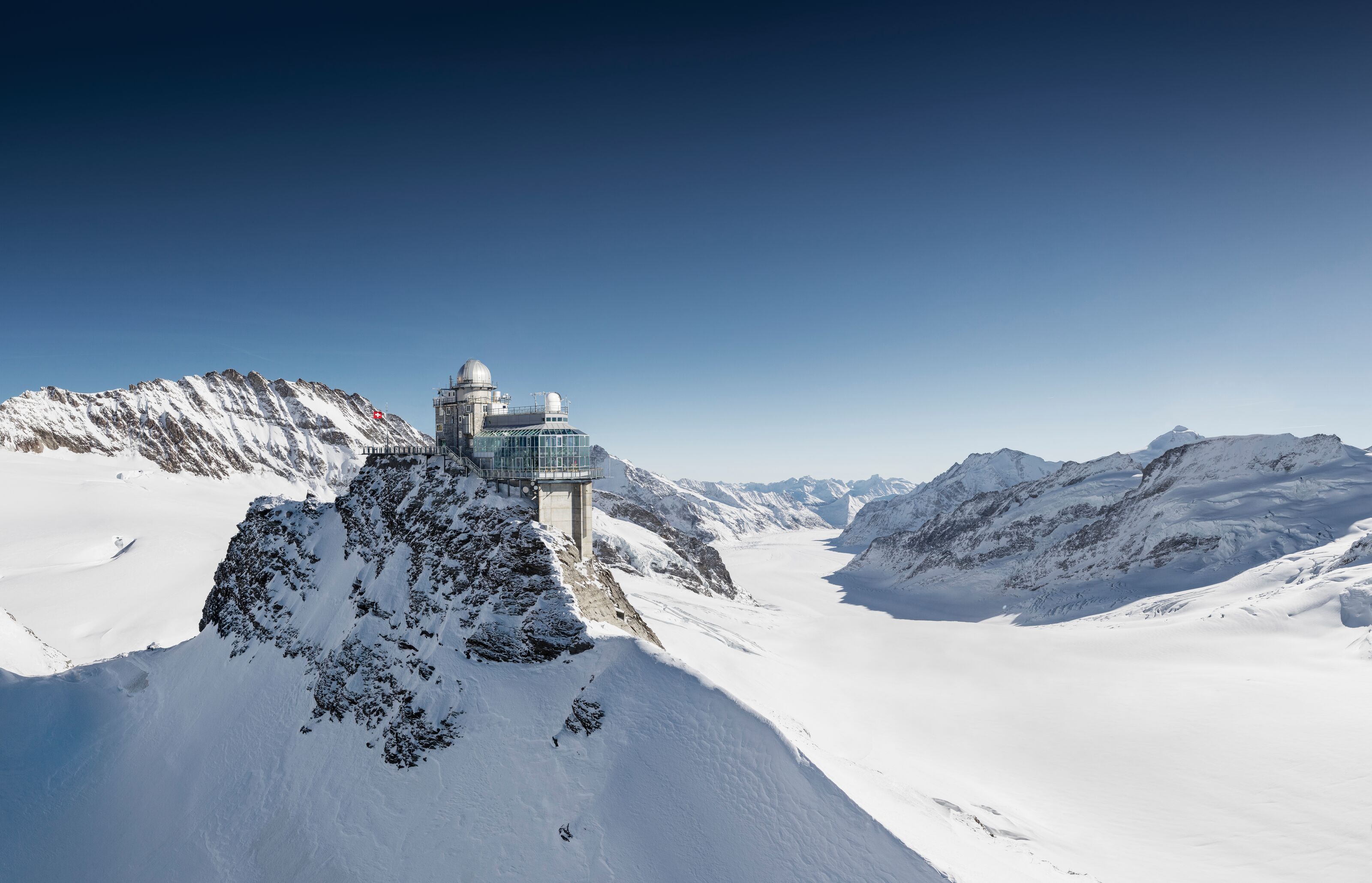
Seven resorts above one million
Scale also matters.
Seven major Swiss destinations exceeded one million ski days during the season.
Zermatt led the market with approximately 1.54 million, followed by Arosa Lenzerheide with 1.42 million, and Davos-Klosters with 1.34 million. Verbier reached around 1.28 million; St. Moritz, 1.18 million; Jungfrau, 1.09 million; and Adelboden-Lenk, 1.06 million.
Behind these numbers appears another trend: the concentration of demand around large destinations capable of offering product, altitude, infrastructure, and brand.
In a scenario of more irregular winters, altitude becomes a competitive advantage. Financial capacity for snowmaking also. And having enough hotel beds, restaurants, shops, activities, and transport connections allows for absorbing large volumes of visitors while maintaining a high-value proposition.
The mountain is thus entering a business logic known in many other industries: operators with greater scale have more capacity to invest, and those who invest more are better prepared to capture demand when conditions become complicated.
83 days: the figure that explains the business
There is another less spectacular but perhaps even more important number: 83 days.
That was the average opening period for Swiss resorts during the season, above the average of approximately 78 days over the last five years.
With one of the warmest winters on record.
This ability to keep the product open is fundamental because the true infrastructure that a resort needs to protect is not just the snow. It is its calendar.
Hotels, restaurants, schools, rentals, shops, and hundreds of jobs depend on a resort being able to offer predictability. A destination that manages to guarantee December, Christmas, February, and Easter has a radically different economic value from one whose operation depends on waiting for the next snowfall.
That is why investment in technical snow, water storage, terrain preparation, efficient ski lifts, and predictive management is no longer merely a sporting matter.
It is economic infrastructure.
The ski pass is just the gateway
There is also a common mistake when analyzing the economics of skiing: only looking at the revenues of ski lift companies.
The nearly 900 million francs fundamentally represent the mechanical heart of the system, not the entire economy that revolves around it.
Every person who passes through a turnstile potentially needs accommodation, transport, catering, equipment, lessons, retail, and entertainment. The higher the proportion of international visitors, the greater this multiplier effect can be, especially when we talk about long-haul markets.
That is why the goal of major Alpine destinations is no longer simply to sell more ski passes.
It is to control a larger part of the total value generated by each visitor.
The evolution towards high-end hotels, gastronomy, wellness, sporting events, festivals, branded experiences, and summer offerings responds precisely to this logic. The asset is no longer the ski lift. It is not even the piste.
The asset is the destination.
The climate risk has not disappeared
None of this means that Switzerland has solved the industry's biggest structural challenge.
The warming of the Alps continues to put pressure on lower-altitude resorts and increases investment needs. Producing snow costs money. Modernizing ski lifts costs money. Energy, personnel, and maintenance also.
The consolidation of the sector therefore seems difficult to avoid.
Large ski areas have greater financial capacity to adapt, while small, low and mid-altitude resorts face a progressively more complicated equation. In the coming years, it will probably not be enough to ask which resorts have the best slopes.
The business question will be which ones possess enough capital to remain competitive.
Switzerland is selling something bigger than skiing
The 25.7 million ski days sold are excellent news for the Swiss industry. But focusing solely on that figure would be missing the transformation happening underneath.
The country is moving from exploiting snow to managing an alpine economy.
An economy where infrastructure protects the calendar, the brand attracts international capital, hospitality increases per-visitor spending, and the mountain becomes a tourism platform capable of generating value for more and more months of the year.
And perhaps that is why the most important data point of the 2025/26 season is not that Switzerland came close to its record.
It is that it achieved it without needing a record-breaking winter to do so.