%20--%3e%3cdefs%3e%3cstyle%3e%20.st0%20{%20fill:%20%231d1d1b;%20}%20%3c/style%3e%3c/defs%3e%3cpath%20class='st0'%20d='M174.5,69.9c-2.1-4.9-5.6-10.7-10.4-17.3-4.9-6.6-11-13.3-18.2-20-8.3-8.3-17.9-14.7-28.8-19-10.9-4.4-21.9-6.6-33-6.6s-23.7,2.7-33,8.1c-6.4,4.4-11.6,10.3-15.1,17.7-3.7,7.3-5.4,15.2-5.4,23.6,0,32.9,22.7,53.8,68,62.6,35.6,7,60.4,17.4,74.7,31.3,14.2,13.9,20.5,32.9,18.7,57-1.3,25.5-10.7,44.2-28.2,56.3-17.4,12.2-38.5,18.4-62.8,18.7-20-.2-38.3-3-55.2-8.1-16.9-5.2-31.2-12.6-43.1-22.1l-1.1-67.7c7.2,22.8,19.5,42,36.8,57.6,17.2,15.6,36.3,25.6,57.3,29.9,7.6,1.6,14.8,2.3,21.8,2.3,17.1,0,31.1-4.2,42.2-12.7,11-8.4,16.6-21.2,16.6-38.3s-6.4-30.7-19.5-43c-13-12.3-36.5-22.2-70.4-29.8-29.3-6.4-49.3-16.2-60.1-29.3-10.8-13.1-15.9-29.1-15.3-48,.2-14,4.2-26.3,12-37.1s18.4-19.2,31.9-25.2c13.4-6.1,28.8-9.1,45.9-9.1s28.2,1.9,41,5.7c12.8,3.8,23.7,8.3,32.5,13.8l.8,49h-.3Z'/%3e%3cpath%20class='st0'%20d='M269.3,250c0,11.1,3.7,18.4,10.9,22,7.2,3.4,14,5.2,20.2,5.2h-90.2c6.2,0,12.9-1.8,20-5.2,7.1-3.4,10.7-10.8,10.7-22V32.1c0-11.1-3.4-18.4-10.4-22-7-3.4-13.8-5.2-20.2-5.2h90.2c-6.4,0-13.3,1.8-20.5,5.2s-10.7,10.8-10.7,22v217.7h0ZM403.9,236.7c8.8,11.4,17.7,20.5,26.7,27.2,8.9,6.8,16.8,11.2,23.6,13.6l-53.7-.8c-9.1-8.3-18.2-18.6-27.6-30.7l-73.1-94.9c-2.3-3.1-5.3-4.7-8.9-4.7-6,0-12.4,3.7-19.5,10.9l90.6-108.5c5.7-6.8,8.6-13.4,8.6-20.2s-2-11.1-6-15.3-9.2-6.9-15.8-8h80.5c-2.3,0-7.6,1.7-15.8,5-8.1,3.3-17.7,9.9-28.6,19.5-4.9,4.4-13.1,13.6-24.7,27.6-11.6,14-21.6,26.3-30.1,36.9l-6.2,7.8c-5.7,5.7-8.6,11.1-8.6,16.3s1.9,8.4,5.8,13.6l82.8,104.6v.2Z'/%3e%3cpath%20class='st0'%20d='M516.2,248.4c0,11.7,3.7,19.3,11.1,23.1,7.3,3.8,14.3,5.7,20.8,5.7h-91.4c6.4,0,13.3-1.9,20.6-5.7s10.9-11.4,10.9-23.1V33.7c0-11.9-3.7-19.7-10.9-23.3s-14.1-5.4-20.6-5.4h91.4c-6.4,0-13.4,1.8-20.8,5.4-7.3,3.7-11.1,11.4-11.1,23.3v214.6h0Z'/%3e%3cpath%20class='st0'%20d='M770.2,243.3c4.9,13,10.8,21.7,17.4,26.2,6.8,4.6,12.7,7.1,17.9,7.6h-88.2c6.8-.8,12.4-2.9,17.1-6.2s7-8.1,7-14.3-.8-7.6-2.3-11.7l-28.8-80.9h-91l-25.7,70c-2.9,7.2-4.2,13.6-4.2,19,0,14.6,9.7,22.6,29.1,24.1h-72.4c8.8-.6,16.9-4.7,24.3-12.4,7.3-7.8,13.8-18.9,19.2-33.5L678-3.2l1.1,3.4,91,243.1ZM658.7,59.8c-1.9,4.4-4.6,11-8,19.8l-29.6,80.5h87.5l-30.7-87.5c-2.9-7.8-5.2-13-7.2-15.6-1.9-2.6-3.8-3.9-5.7-3.9s-4.4,2.2-6.4,6.6h.1Z'/%3e%3cpath%20class='st0'%20d='M1008.6,243.3c4.9,13,10.8,21.7,17.4,26.2,6.8,4.6,12.7,7.1,17.9,7.6h-88.2c6.8-.8,12.4-2.9,17.1-6.2s7-8.1,7-14.3-.8-7.6-2.3-11.7l-28.8-80.9h-91l-25.7,70c-2.9,7.2-4.2,13.6-4.2,19,0,14.6,9.7,22.6,29.1,24.1h-72.4c8.8-.6,16.9-4.7,24.3-12.4,7.3-7.8,13.8-18.9,19.2-33.5L916.3-3.2l1.1,3.4,91,243.1h.1ZM897.1,59.8c-1.9,4.4-4.6,11-8,19.8l-29.6,80.5h87.5l-30.7-87.5c-2.9-7.8-5.2-13-7.2-15.6-1.9-2.6-3.8-3.9-5.7-3.9s-4.4,2.2-6.4,6.6h.1Z'/%3e%3cpath%20class='st0'%20d='M1241.1,244.5c4.9,8.6,11,15.6,18.1,21s14.1,9.3,20.8,11.7h-47.8c-8-8-16.9-20.8-26.5-38.1l-37.3-63c-7.6-12.7-15.7-21-24.3-24.9s-19.6-5.8-32.5-5.8h-12.4v107.7c0,9.9,3.3,16.3,9.9,19.5s12.9,4.7,18.9,4.7h-87.9c6.4,0,13.2-1.8,20.2-5.2s10.4-10.8,10.4-22V32.1c0-11.1-3.6-18.4-10.7-22-7.1-3.4-13.8-5.2-20-5.2,10.3,0,25.5-.2,45.1-.8l37.7-.3c29,0,51.5,2.1,67.2,6.4,15.8,4.2,27.5,12.9,35,25.9,6.2,9.9,9.3,21.9,9.3,36.1s-2.4,22.2-7.3,32.5c-4.9,10.2-11.7,18.4-20.2,24.7-5.4,3.9-11.7,7.2-18.7,9.9s-13.4,4.3-19.5,4.9c4.7,1.3,9.6,4.2,14.8,8.9,5.2,4.7,11.1,13,17.9,24.9l39.7,66.5h0ZM1187.6,120.5c12.3-12.2,18.4-28.1,18.4-47.8s-7.4-42-22.3-51.6c-14.9-9.4-36.7-14.2-65.1-14.2s-15,.1-19.5.3v134.1c9.3,0,21.6-.2,36.6-.8,22.3-1.3,39.6-8,51.9-20.2h0Z'/%3e%3c/svg%3e)

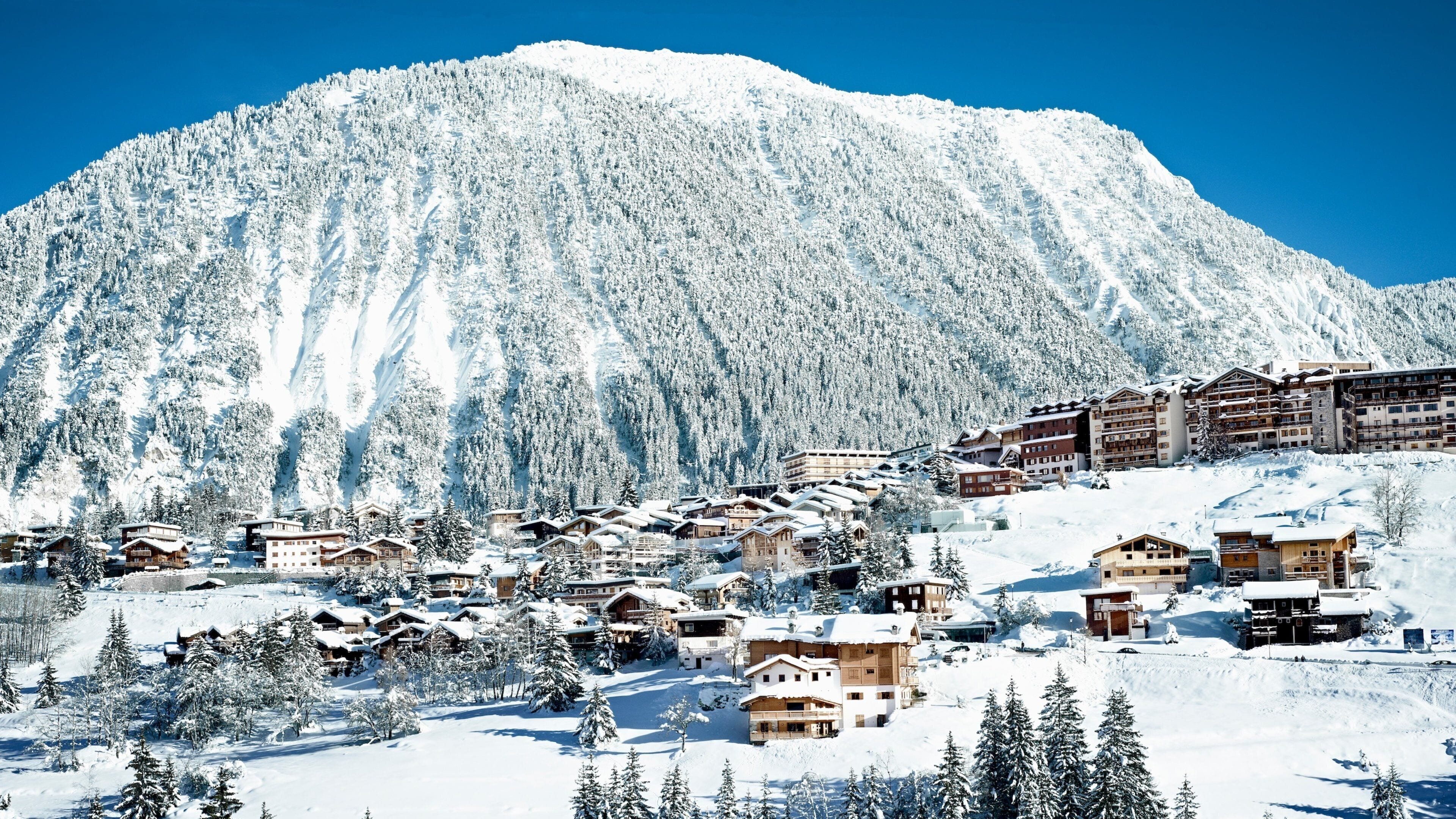
Courchevel marks its 80th anniversary this winter with new lifts, hotels, restaurants, and experiences. Discover everything new in Courchevel for the 2026/27 season.
This winter, Courchevel turns 80, celebrating with new lifts, terraces suspended over the valley, hotels redefining alpine luxury, newly opened restaurants, and a mountain that continues to reinvent itself without losing what made it unique in the Alps.
Some places change because time forces them to. Courchevel has spent decades evolving before anyone asks it to, and the 2026/27 season confirms it. Reaching eighty years, it inaugurates a new era: panoramic cabins from La Tania, a wooden terrace facing La Saulire, five new hotel addresses, and a debut Michelin star adding to an already dense gastronomic constellation. The resort has used its anniversary to look forward.
Courchevel was born in 1946, when skiing was still forging its mythology. That vision of a modern resort, organized by altitudes around the mountain, ultimately became one of the grandest names of European winter. The celebrations begin on December 4 with the season opening and a special evening at the Forum de 1850, continuing with collector’s pieces: a book from Éditions de La Martinière, a board game, and a limited-edition ski developed with HEAD, available at select establishments across the resort. It is a quintessentially courchevelienne way to celebrate: turning memory into an object, and the object into desire.
The season begins at the top
The 2026/27 season kicks off in Courchevel on Friday, December 4, 2026, and connections to the rest of Les 3 Vallées will be open from Saturday, December 5. Courchevel’s lifts will remain open until April 18, 2027. Courchevel Village, Moriond, and La Tania open on December 5, with the latter two closing a week earlier, on April 11.
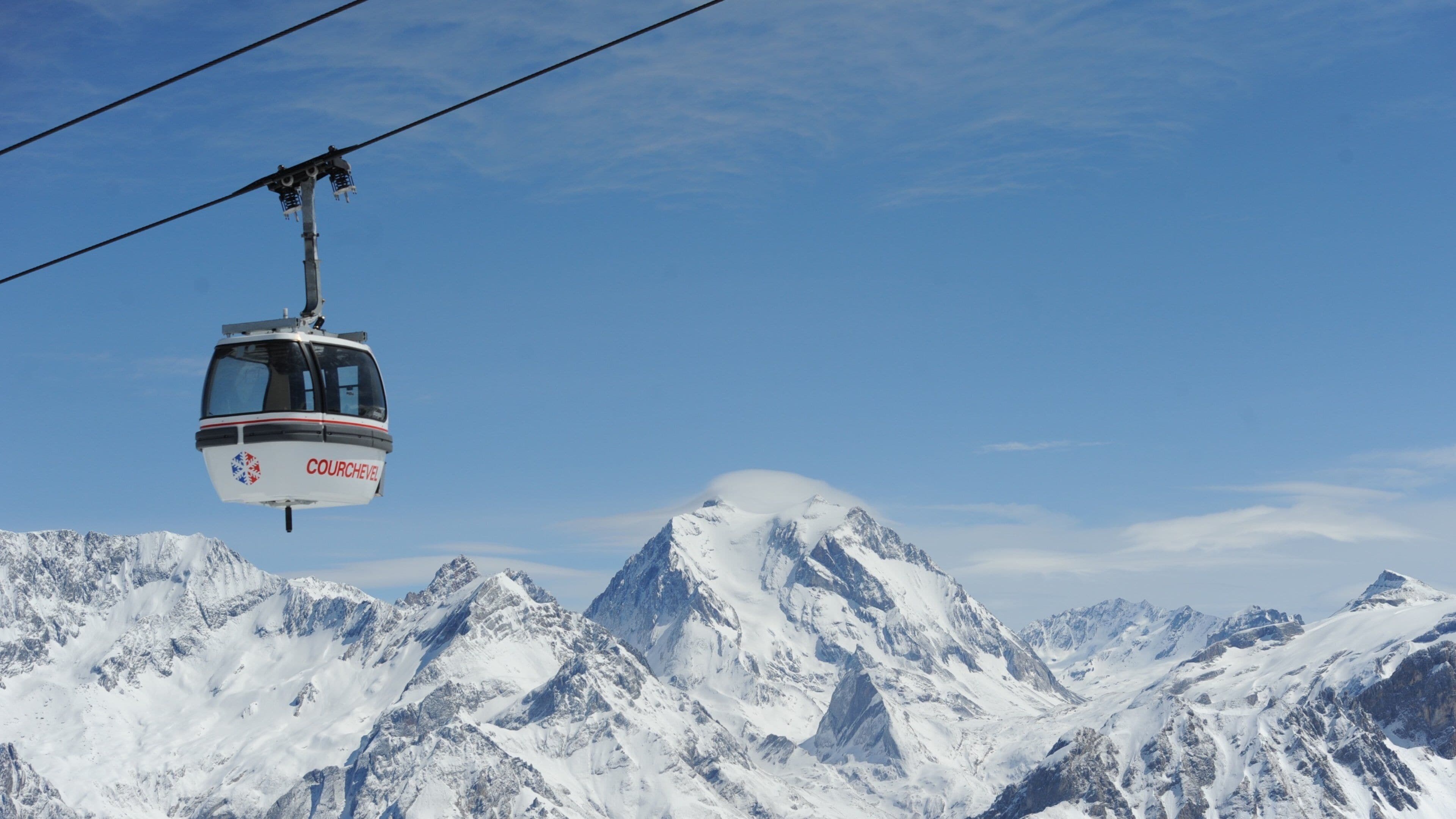
The most significant change is felt before reaching any hotel or restaurant, along the journeys that define a day on the slopes. The headline feature this winter is the La Tania gondola, in service since 1990, which has undergone a complete overhaul. It debuts 52 eight-passenger panoramic cabins with wider doors, dedicated ski and snowboard storage, and considerably more comfortable interiors, alongside modernized stations. A five-million-euro investment that may seem purely functional, yet fundamentally alters the rhythm of entering and leaving the mountain. Some 400,000 skiers use this lift each season.
At Chenus, the arrival at the top gondola station from the 1850 snow front is also transformed. A new 300 m² south-facing wooden terrace opens up directly opposite La Saulire, inviting visitors to sit in the sun and take in the landscape without leaving the heights. The updated top station also adds an indoor picnic lounge, welcome on days when the wind reminds us that, however sophisticated Courchevel may be, the weather still rules.
Two new large-scale snowflake sculptures also arrive at Le Signal and the Col de la Loze, joining the familiar landmark at La Saulire. Meanwhile, the former toboggan run linking Courchevel 1850 to Courchevel Village has been renamed Fera Lumia. At nightfall, its light installations turn the track into a luminous ribbon through the trees. By day it blends seamlessly into the forest; after the last descent, the mountain speaks an entirely different language.
A new way to learn
Ski instruction also sees new developments. The new Esperluette Pass grants priority access to five lifts (Biollay, Aiguille du Fruit, Suisses, Plantrey, and Ariondaz) for anyone skiing with an instructor from its school. It includes a Wednesday morning First Tracks session and unlimited access to Moriond Racing and Carré Neige.
Meanwhile, the historic Oxygène ski school becomes Oxyski, preserving one of its hallmark features: groups capped at six people. Its programming includes adaptive skiing. In Courchevel, learning to ski long ago ceased to be purely technical; it is part of a mountain culture passed down through generations.
The new map of alpine luxury
If the mountain is the stage, the hotels are where this shift in era is most apparent. Courchevel introduces new addresses, and with them, new ways of defining what it means to stay in the Alps.
Hotel Bourbon Hotel
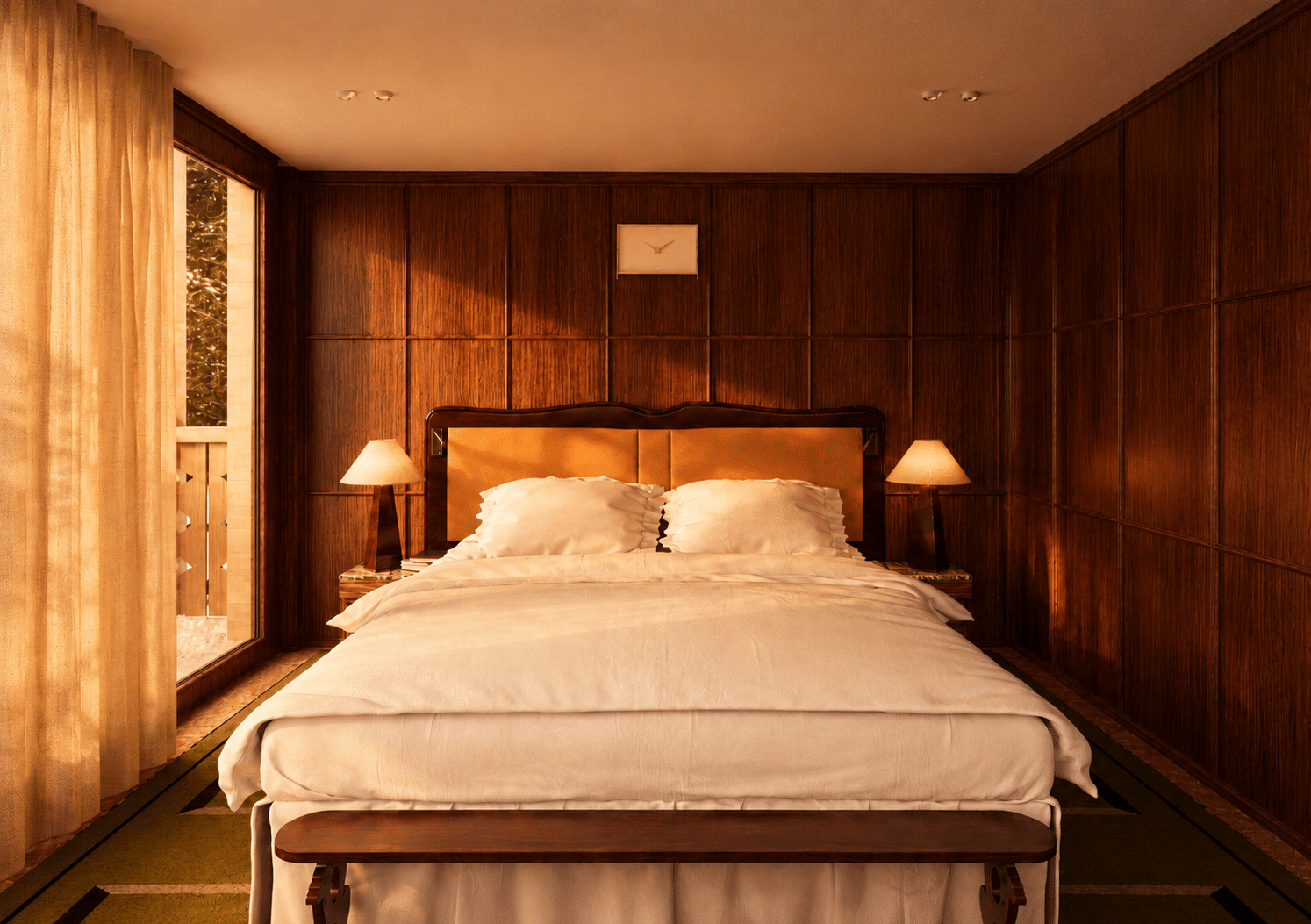
In Courchevel 1850, the former Hôtel des 3 Vallées is reborn as Bourbon Hotel, a five-star retreat from the Chapitre Six group opening on December 18. Its design deliberately steps away from the traditional chalet aesthetic in favor of a more cosmopolitan luxury—reminiscent of a London private members' club transported to the snow, complete with vinyl records in the lounge bar and a mineral spa. Its restaurant, Simonetta, will feature Italian sensibilities crafted by chef Simone Zanoni.
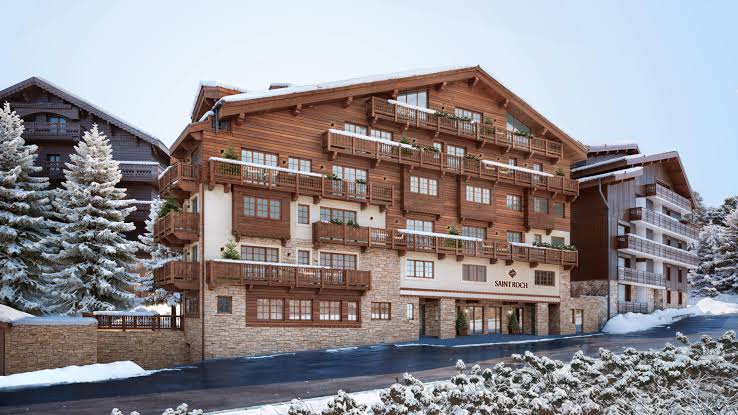
Hotel Saint Roch
From Maisons Pariente, it also opens on December 18, directly on the Bellecôte slope in Jardin Alpin. It will offer 37 rooms and suites alongside a Tata Harper spa, underscoring an increasingly prominent trend in the high mountains: hotels no longer compete solely on proximity to the lifts, but on a distinct identity built around wellness, gastronomy, and sense of place.
Bârma, La Tania
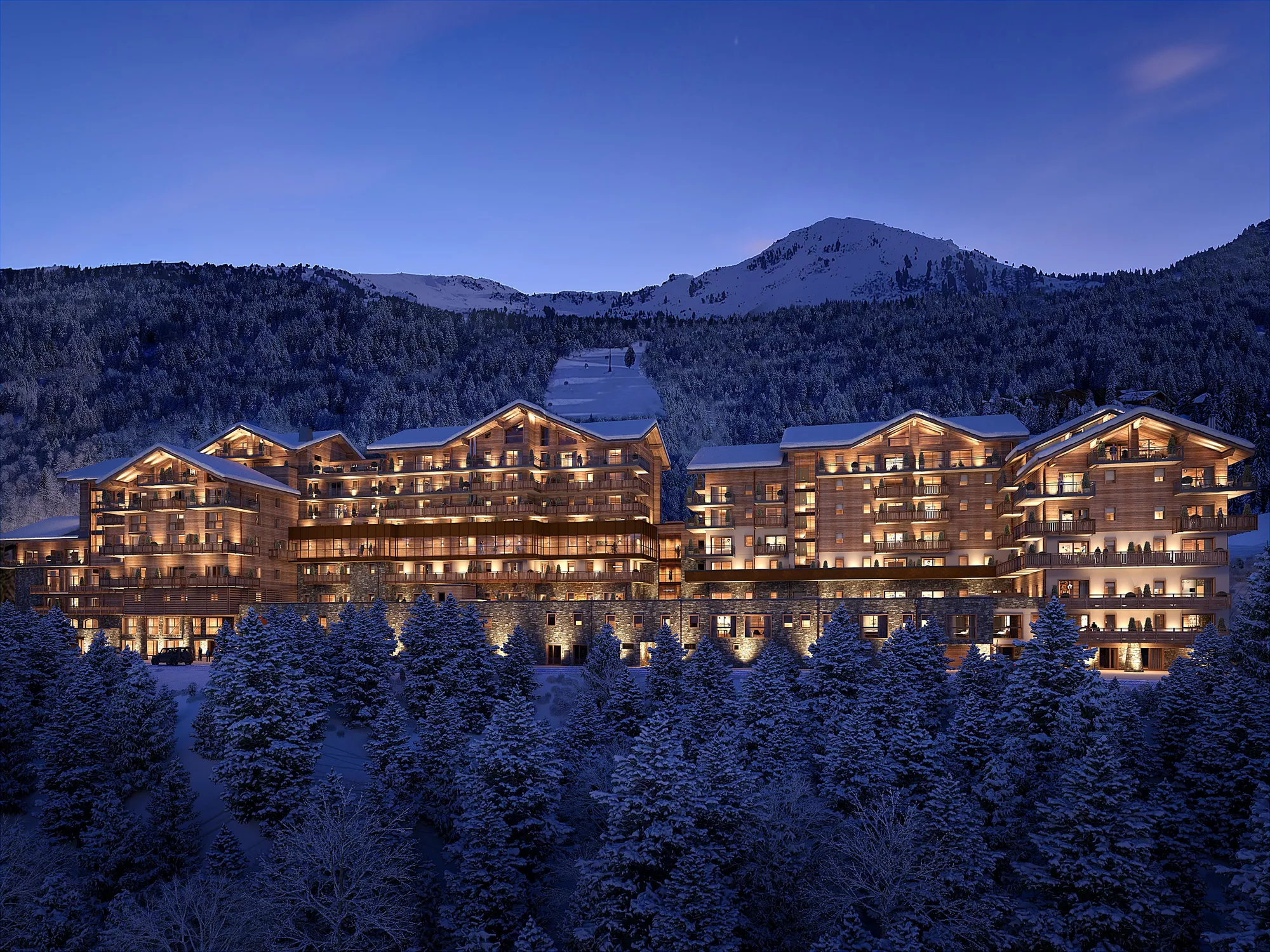
In La Tania arrives Bârma, ski-in/ski-out, opening on December 5 with rooms, suites, and apartments, plus a Susanne Kaufmann spa. In Moriond, Alpine Resorts presents two new five-star residences on Rue Sainte-Blandine. Steamboat will offer apartments and penthouses accommodating groups of four to fourteen. Sundance will feature lodgings for four to twelve guests, a 16-meter swimming pool, and Italian restaurant La Bokka. Both will share a spa, ski boutique, and concierge service.
Chalet Belrio
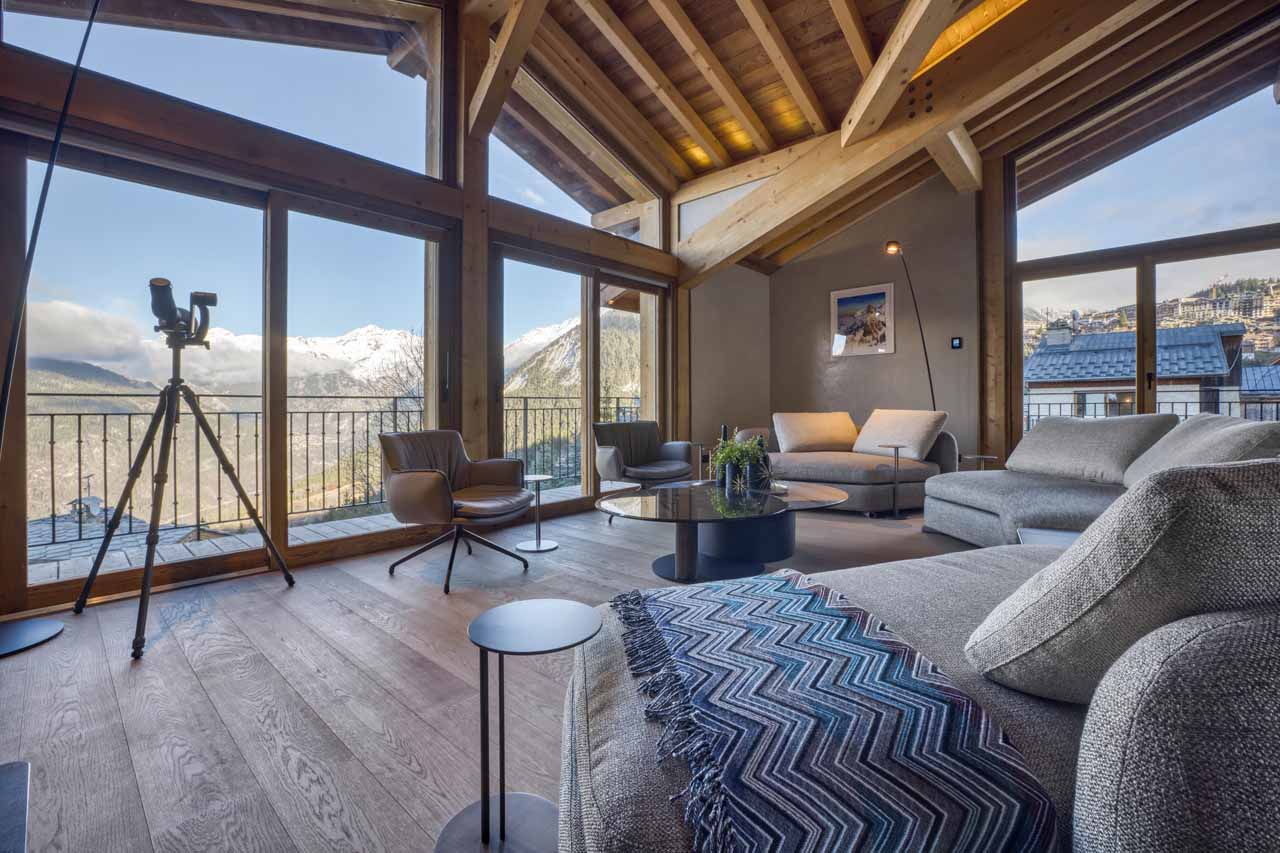
Courchevel Village introduces Chalet Belrio, a new property by Maison Pinturault featuring 520 m², five suites for ten guests, and a private 120 m² wellness area. It also integrates into the service ecosystem of Hôtel Les Peupliers. At the pinnacle of exclusivity, Cheval Blanc Courchevel adds two private chalets facing the main hotel in Jardin Alpin: one with five bedrooms and another with nine, each staffed with majordomes and a dedicated culinary team.
The classics evolve too
This evolution extends beyond new openings. Several of Courchevel’s most established names enter the winter with updates. La Sivolière unveils a spa anchored by a 25-meter indoor swimming pool—the longest in Courchevel—and a Mediterranean restaurant, ZIA, complete with its own Negroni Club. K2 Palace has redesigned 29 rooms and suites, Annapurna adds six renovated suites, and Fouquet’s Courchevel expands its family offering with a new kids’ club.
Maya Hotel presents Maya Well, featuring a sauna, hammam, and sensory shower. Wellness has become a structural cornerstone of the contemporary alpine experience. Skiing remains the reason for making the journey up, but it is no longer the sole focus once the ski boots come off.
A new gastronomic constellation
Gastronomy is once again one of the season’s defining highlights. L’Altitude, at the hotel K2 Altitude, has just earned its first Michelin star under chefs Guillaume Duchemin and Davide Sessa. With this honor, Courchevel reaches 11 Michelin stars across seven restaurants—a concentration rarely matched in any other alpine destination.
New tables are also debuting. In Moriond, ARVI opens on December 19 at Steamboat, with chef Frédéric Steiger and a menu dedicated to the great Savoyard classics. Residence guests and visitors alike can book a table. Alongside it, Simonetta at Bourbon Hotel, ZIA at La Sivolière, and La Bokka at Sundance round out the culinary landscape for the winter.
The mountain remains the primary draw, yet everything surrounding it grows increasingly sophisticated, cultural, and gastronomic.
Subtle changes are also unfolding across the villages. In Le Praz, the former bar La Descente gives way to a new Sherpa, run by the same couple behind the outpost in La Tania. It will feature groceries, regional specialties, and wines, alongside fresh in-house bread and pastries.
As some doors open, others close. The historic Hôtel Courcheneige, one of the landmark names of 1850, closed after the 2025/26 season and has already been demolished. In its place, a One&Only Courchevel project is planned, with a hotel and private residences slated for 2030.
The scene neatly encapsulates Courchevel's current chapter: a destination built on heritage that, at eighty years old, continues to tear down, rebuild, and reinterpret itself.
Eighty years and what lies ahead
The calendar holds several eagerly awaited events. On December 22, the Émile-Allais stadium hosts the women’s Alpine Ski World Cup night slalom. On April 4, 2027, Winter Legacy returns, bringing together competition, spectacle, and festivities centered around Alexis Pinturault.
The most monumental milestone lies further on the horizon. Courchevel will be one of the premier venues for the 2030 Winter Olympics, hosting at least nine events across its domain, including the men's and women's downhills and super-G, as well as ski jumping in Le Praz.
The developments continue well beyond 2030. Lily of the Valley Courchevel 2000, designed by Philippe Starck, is scheduled to open in December 2027 beside the altiport. Raffles Courchevel will follow, slated to open for the 2028 winter season.
Courchevel shows no intention of slowing down at eighty. The resort born in 1946 to envision another way of experiencing the mountain continues to do just that: reflect and define its era.
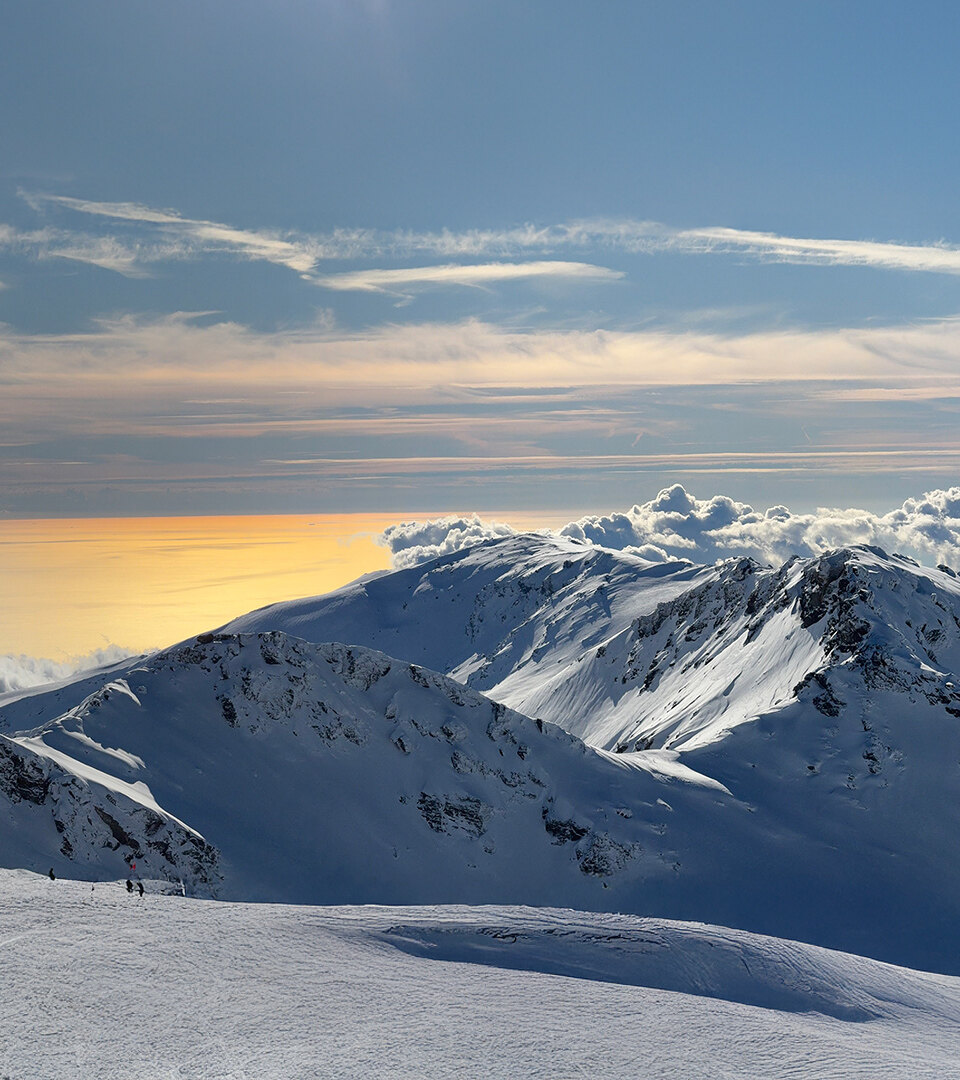
This winter brings new cabins, new hotels, new dining, and new vantage points to pause and gaze at the snow. Beneath it all remains the timeless: the light sweeping across the peaks, the sound of edges on the snow, the forest in the late afternoon, and that elusive feeling that comes when the valley falls away below and everything, for a moment, seems suspended.