%20--%3e%3cdefs%3e%3cstyle%3e%20.st0%20{%20fill:%20%231d1d1b;%20}%20%3c/style%3e%3c/defs%3e%3cpath%20class='st0'%20d='M174.5,69.9c-2.1-4.9-5.6-10.7-10.4-17.3-4.9-6.6-11-13.3-18.2-20-8.3-8.3-17.9-14.7-28.8-19-10.9-4.4-21.9-6.6-33-6.6s-23.7,2.7-33,8.1c-6.4,4.4-11.6,10.3-15.1,17.7-3.7,7.3-5.4,15.2-5.4,23.6,0,32.9,22.7,53.8,68,62.6,35.6,7,60.4,17.4,74.7,31.3,14.2,13.9,20.5,32.9,18.7,57-1.3,25.5-10.7,44.2-28.2,56.3-17.4,12.2-38.5,18.4-62.8,18.7-20-.2-38.3-3-55.2-8.1-16.9-5.2-31.2-12.6-43.1-22.1l-1.1-67.7c7.2,22.8,19.5,42,36.8,57.6,17.2,15.6,36.3,25.6,57.3,29.9,7.6,1.6,14.8,2.3,21.8,2.3,17.1,0,31.1-4.2,42.2-12.7,11-8.4,16.6-21.2,16.6-38.3s-6.4-30.7-19.5-43c-13-12.3-36.5-22.2-70.4-29.8-29.3-6.4-49.3-16.2-60.1-29.3-10.8-13.1-15.9-29.1-15.3-48,.2-14,4.2-26.3,12-37.1s18.4-19.2,31.9-25.2c13.4-6.1,28.8-9.1,45.9-9.1s28.2,1.9,41,5.7c12.8,3.8,23.7,8.3,32.5,13.8l.8,49h-.3Z'/%3e%3cpath%20class='st0'%20d='M269.3,250c0,11.1,3.7,18.4,10.9,22,7.2,3.4,14,5.2,20.2,5.2h-90.2c6.2,0,12.9-1.8,20-5.2,7.1-3.4,10.7-10.8,10.7-22V32.1c0-11.1-3.4-18.4-10.4-22-7-3.4-13.8-5.2-20.2-5.2h90.2c-6.4,0-13.3,1.8-20.5,5.2s-10.7,10.8-10.7,22v217.7h0ZM403.9,236.7c8.8,11.4,17.7,20.5,26.7,27.2,8.9,6.8,16.8,11.2,23.6,13.6l-53.7-.8c-9.1-8.3-18.2-18.6-27.6-30.7l-73.1-94.9c-2.3-3.1-5.3-4.7-8.9-4.7-6,0-12.4,3.7-19.5,10.9l90.6-108.5c5.7-6.8,8.6-13.4,8.6-20.2s-2-11.1-6-15.3-9.2-6.9-15.8-8h80.5c-2.3,0-7.6,1.7-15.8,5-8.1,3.3-17.7,9.9-28.6,19.5-4.9,4.4-13.1,13.6-24.7,27.6-11.6,14-21.6,26.3-30.1,36.9l-6.2,7.8c-5.7,5.7-8.6,11.1-8.6,16.3s1.9,8.4,5.8,13.6l82.8,104.6v.2Z'/%3e%3cpath%20class='st0'%20d='M516.2,248.4c0,11.7,3.7,19.3,11.1,23.1,7.3,3.8,14.3,5.7,20.8,5.7h-91.4c6.4,0,13.3-1.9,20.6-5.7s10.9-11.4,10.9-23.1V33.7c0-11.9-3.7-19.7-10.9-23.3s-14.1-5.4-20.6-5.4h91.4c-6.4,0-13.4,1.8-20.8,5.4-7.3,3.7-11.1,11.4-11.1,23.3v214.6h0Z'/%3e%3cpath%20class='st0'%20d='M770.2,243.3c4.9,13,10.8,21.7,17.4,26.2,6.8,4.6,12.7,7.1,17.9,7.6h-88.2c6.8-.8,12.4-2.9,17.1-6.2s7-8.1,7-14.3-.8-7.6-2.3-11.7l-28.8-80.9h-91l-25.7,70c-2.9,7.2-4.2,13.6-4.2,19,0,14.6,9.7,22.6,29.1,24.1h-72.4c8.8-.6,16.9-4.7,24.3-12.4,7.3-7.8,13.8-18.9,19.2-33.5L678-3.2l1.1,3.4,91,243.1ZM658.7,59.8c-1.9,4.4-4.6,11-8,19.8l-29.6,80.5h87.5l-30.7-87.5c-2.9-7.8-5.2-13-7.2-15.6-1.9-2.6-3.8-3.9-5.7-3.9s-4.4,2.2-6.4,6.6h.1Z'/%3e%3cpath%20class='st0'%20d='M1008.6,243.3c4.9,13,10.8,21.7,17.4,26.2,6.8,4.6,12.7,7.1,17.9,7.6h-88.2c6.8-.8,12.4-2.9,17.1-6.2s7-8.1,7-14.3-.8-7.6-2.3-11.7l-28.8-80.9h-91l-25.7,70c-2.9,7.2-4.2,13.6-4.2,19,0,14.6,9.7,22.6,29.1,24.1h-72.4c8.8-.6,16.9-4.7,24.3-12.4,7.3-7.8,13.8-18.9,19.2-33.5L916.3-3.2l1.1,3.4,91,243.1h.1ZM897.1,59.8c-1.9,4.4-4.6,11-8,19.8l-29.6,80.5h87.5l-30.7-87.5c-2.9-7.8-5.2-13-7.2-15.6-1.9-2.6-3.8-3.9-5.7-3.9s-4.4,2.2-6.4,6.6h.1Z'/%3e%3cpath%20class='st0'%20d='M1241.1,244.5c4.9,8.6,11,15.6,18.1,21s14.1,9.3,20.8,11.7h-47.8c-8-8-16.9-20.8-26.5-38.1l-37.3-63c-7.6-12.7-15.7-21-24.3-24.9s-19.6-5.8-32.5-5.8h-12.4v107.7c0,9.9,3.3,16.3,9.9,19.5s12.9,4.7,18.9,4.7h-87.9c6.4,0,13.2-1.8,20.2-5.2s10.4-10.8,10.4-22V32.1c0-11.1-3.6-18.4-10.7-22-7.1-3.4-13.8-5.2-20-5.2,10.3,0,25.5-.2,45.1-.8l37.7-.3c29,0,51.5,2.1,67.2,6.4,15.8,4.2,27.5,12.9,35,25.9,6.2,9.9,9.3,21.9,9.3,36.1s-2.4,22.2-7.3,32.5c-4.9,10.2-11.7,18.4-20.2,24.7-5.4,3.9-11.7,7.2-18.7,9.9s-13.4,4.3-19.5,4.9c4.7,1.3,9.6,4.2,14.8,8.9,5.2,4.7,11.1,13,17.9,24.9l39.7,66.5h0ZM1187.6,120.5c12.3-12.2,18.4-28.1,18.4-47.8s-7.4-42-22.3-51.6c-14.9-9.4-36.7-14.2-65.1-14.2s-15,.1-19.5.3v134.1c9.3,0,21.6-.2,36.6-.8,22.3-1.3,39.6-8,51.9-20.2h0Z'/%3e%3c/svg%3e)

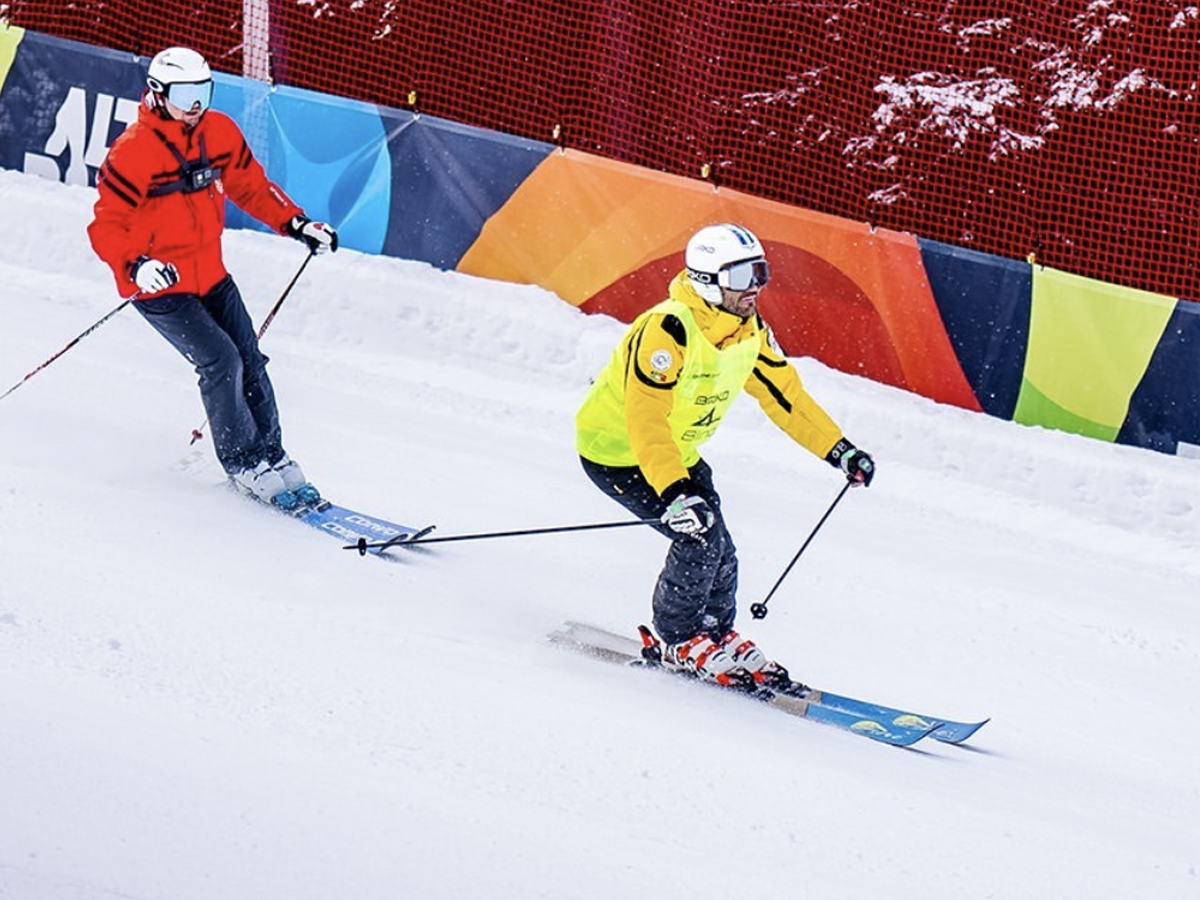
Daniele Cassioli - The Skiing Blind Skier Daniele Cassioli, the world's most decorated blind skier, shares how skiing taught him to be brave and live without limits.
Daniele Cassioli cannot see, but he has always known where to go. He is the most decorated water skier in the history of adaptive sport and a global reference in Paralympic sports. Over 25 world championships endorse a career marked by effort, perseverance, and a passion that goes beyond medals. But his story doesn't stop on the water; on snow as well, Cassioli has left his mark competing in alpine skiing, a discipline in which he has achieved significant national and international successes, demonstrating dedication to the sport.
We present the conversation between the Italian athlete and the team from the newspaper I love sky, where he shared his journey in adaptive skiing, both water and alpine, the importance of trust, and his commitment to inclusion.
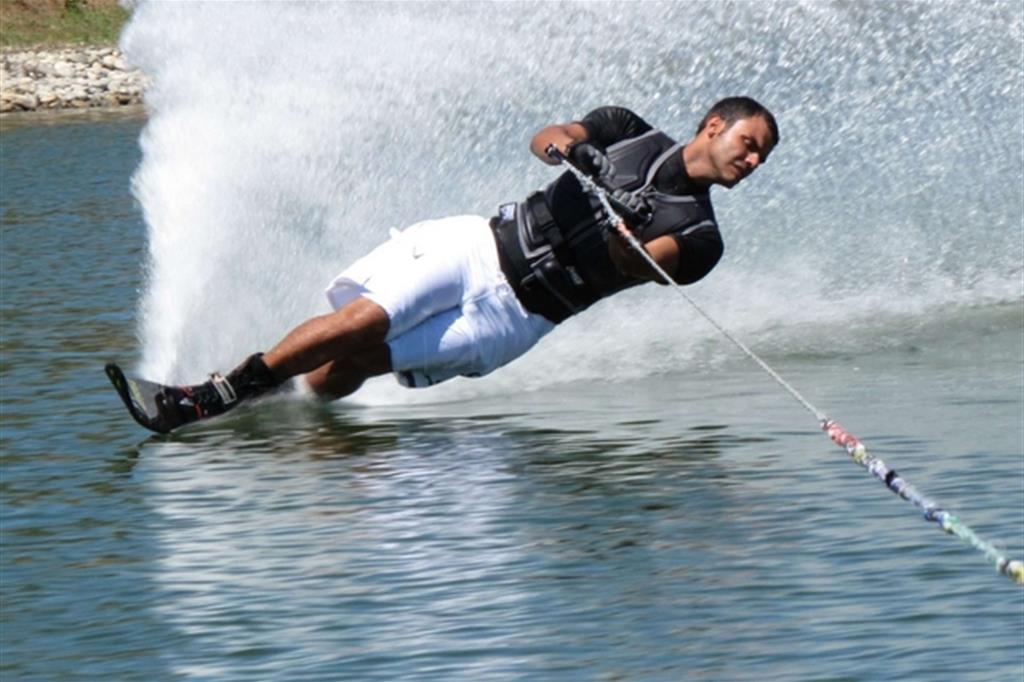
Question. Daniele, you are an extraordinary athlete with an incredible track record in water skiing. How did you get into alpine skiing, and what motivated you to practice it as a child?
Answer. In my life, alpine skiing came first, then water skiing.
I was fortunate to have parents who, from my early years, encouraged me to play sports. They were the ones who first took me to the mountains, and everything else was done by the magic of sports and the wonderful energy that permeated the Gruppo Verbanese Sciatori Ciechi (Verbania Blind Skiers Group).
Question. Skiing is a sport that requires a lot of trust in the guide. What is your relationship like with the guides of the Gruppo Verbanese Sciatori Ciechi?
Answer. You're right, trust is a fundamental element; it's the indispensable ingredient for skiing, and blindness has forced me to cultivate it.
The relationship with the group's guides is incredible! Many of them have watched me grow up, and they are all special people, companions on the slopes and friends throughout the time we spend together.
Question. You have played many sports in your life: what makes alpine skiing special for you?
Answer. Without a doubt, the feeling of freedom and possibility. Sometimes it's easier for me to ski a one-kilometer black run than to walk 200 meters in the city with my white cane.
Furthermore, I love being able to do something that even sighted people have to work hard at for a long time to become good at.
Question. The Gruppo Verbanese Sciatori Ciechi works to bring blind people closer to the mountains. What, in your opinion, is the greatest value of this experience?
Answer. I believe there are many added values: the pleasure of sport, the formation of new and valuable friendships, the chance to get out of the house to do something enjoyable, to travel and discover new places, and, once the outing is over, to be able to talk about it.
Often, having experiences, in general, also means broadening the range of things one can share with others.
When I was at school, for example, after a weekend in the mountains, I would say that I had been skiing, and my intrigued classmates would ask me how it went.
Question. Throughout your career, you have often spoken about the importance of sport in overcoming one's limits. What lessons have you learned from skiing that you have applied in your life?
Answer. Without a doubt, I have learned that trust is a catalyst for performance and significantly improves the quality of social relationships.
Furthermore, I have learned how wonderful it is to improve oneself: we often compare ourselves to others, and luckily, sometimes I haven't been able to look at them.
Therefore, feeling that Daniele was always a little better than himself, season after season, has given me a lot of self-esteem.
Another important thing I have learned thanks to skiing is that the real goal is not to stop being afraid, but to start being brave.
Question . You are also a communicator and motivator: how can we encourage more blind children to try skiing and other sports?
Answer. I believe it's essential to raise the level of culture and awareness among adults on this topic. I'm referring to parents, teachers, therapists, and doctors. The question to ask is: do I first see the disabled person or the child?
If I see the child first, then it's more automatic to offer them a lot of sports, just as you would with a non-disabled child their age.
That's why I founded Real Eyes Sport, an association in Italy dedicated to connecting people with disabilities with movement, fun, and sports activities.
Seeing a child "similar" to my own playing sports and having fun is a significant incentive to decide to take them out of the house to enjoy themselves.
The other fundamental aspect is to develop and enhance competencies in the world of grassroots sports. We are fascinated and drawn to the power of the Paralympics, but at the same time, there are few sports clubs and welcoming environments for those who want to play sports and have a disability.
Increasing the level of competence can facilitate the processes of initiation into sports for families with disabilities, which would undoubtedly help generate even more motivation.
Question. Looking to the future, do you have any projects in mind related to skiing or the mountains?
Answer. Of course. We are collaborating very well between Real Eyes Sport and the Verbania blind skiers group; now some of the children who started skiing have joined the group and become truly passionate skiers.
In general, we are increasing summer and winter camps to ensure many offerings for our members, and regarding the mountains, to be able to enjoy them in both winter and summer.
The other big step, as the founder of the association, will be to prepare to welcome other disabilities. This will allow us to guarantee all children, regardless of their initial condition, that there is a place for them where they can play sports.