%20--%3e%3cdefs%3e%3cstyle%3e%20.st0%20{%20fill:%20%231d1d1b;%20}%20%3c/style%3e%3c/defs%3e%3cpath%20class='st0'%20d='M174.5,69.9c-2.1-4.9-5.6-10.7-10.4-17.3-4.9-6.6-11-13.3-18.2-20-8.3-8.3-17.9-14.7-28.8-19-10.9-4.4-21.9-6.6-33-6.6s-23.7,2.7-33,8.1c-6.4,4.4-11.6,10.3-15.1,17.7-3.7,7.3-5.4,15.2-5.4,23.6,0,32.9,22.7,53.8,68,62.6,35.6,7,60.4,17.4,74.7,31.3,14.2,13.9,20.5,32.9,18.7,57-1.3,25.5-10.7,44.2-28.2,56.3-17.4,12.2-38.5,18.4-62.8,18.7-20-.2-38.3-3-55.2-8.1-16.9-5.2-31.2-12.6-43.1-22.1l-1.1-67.7c7.2,22.8,19.5,42,36.8,57.6,17.2,15.6,36.3,25.6,57.3,29.9,7.6,1.6,14.8,2.3,21.8,2.3,17.1,0,31.1-4.2,42.2-12.7,11-8.4,16.6-21.2,16.6-38.3s-6.4-30.7-19.5-43c-13-12.3-36.5-22.2-70.4-29.8-29.3-6.4-49.3-16.2-60.1-29.3-10.8-13.1-15.9-29.1-15.3-48,.2-14,4.2-26.3,12-37.1s18.4-19.2,31.9-25.2c13.4-6.1,28.8-9.1,45.9-9.1s28.2,1.9,41,5.7c12.8,3.8,23.7,8.3,32.5,13.8l.8,49h-.3Z'/%3e%3cpath%20class='st0'%20d='M269.3,250c0,11.1,3.7,18.4,10.9,22,7.2,3.4,14,5.2,20.2,5.2h-90.2c6.2,0,12.9-1.8,20-5.2,7.1-3.4,10.7-10.8,10.7-22V32.1c0-11.1-3.4-18.4-10.4-22-7-3.4-13.8-5.2-20.2-5.2h90.2c-6.4,0-13.3,1.8-20.5,5.2s-10.7,10.8-10.7,22v217.7h0ZM403.9,236.7c8.8,11.4,17.7,20.5,26.7,27.2,8.9,6.8,16.8,11.2,23.6,13.6l-53.7-.8c-9.1-8.3-18.2-18.6-27.6-30.7l-73.1-94.9c-2.3-3.1-5.3-4.7-8.9-4.7-6,0-12.4,3.7-19.5,10.9l90.6-108.5c5.7-6.8,8.6-13.4,8.6-20.2s-2-11.1-6-15.3-9.2-6.9-15.8-8h80.5c-2.3,0-7.6,1.7-15.8,5-8.1,3.3-17.7,9.9-28.6,19.5-4.9,4.4-13.1,13.6-24.7,27.6-11.6,14-21.6,26.3-30.1,36.9l-6.2,7.8c-5.7,5.7-8.6,11.1-8.6,16.3s1.9,8.4,5.8,13.6l82.8,104.6v.2Z'/%3e%3cpath%20class='st0'%20d='M516.2,248.4c0,11.7,3.7,19.3,11.1,23.1,7.3,3.8,14.3,5.7,20.8,5.7h-91.4c6.4,0,13.3-1.9,20.6-5.7s10.9-11.4,10.9-23.1V33.7c0-11.9-3.7-19.7-10.9-23.3s-14.1-5.4-20.6-5.4h91.4c-6.4,0-13.4,1.8-20.8,5.4-7.3,3.7-11.1,11.4-11.1,23.3v214.6h0Z'/%3e%3cpath%20class='st0'%20d='M770.2,243.3c4.9,13,10.8,21.7,17.4,26.2,6.8,4.6,12.7,7.1,17.9,7.6h-88.2c6.8-.8,12.4-2.9,17.1-6.2s7-8.1,7-14.3-.8-7.6-2.3-11.7l-28.8-80.9h-91l-25.7,70c-2.9,7.2-4.2,13.6-4.2,19,0,14.6,9.7,22.6,29.1,24.1h-72.4c8.8-.6,16.9-4.7,24.3-12.4,7.3-7.8,13.8-18.9,19.2-33.5L678-3.2l1.1,3.4,91,243.1ZM658.7,59.8c-1.9,4.4-4.6,11-8,19.8l-29.6,80.5h87.5l-30.7-87.5c-2.9-7.8-5.2-13-7.2-15.6-1.9-2.6-3.8-3.9-5.7-3.9s-4.4,2.2-6.4,6.6h.1Z'/%3e%3cpath%20class='st0'%20d='M1008.6,243.3c4.9,13,10.8,21.7,17.4,26.2,6.8,4.6,12.7,7.1,17.9,7.6h-88.2c6.8-.8,12.4-2.9,17.1-6.2s7-8.1,7-14.3-.8-7.6-2.3-11.7l-28.8-80.9h-91l-25.7,70c-2.9,7.2-4.2,13.6-4.2,19,0,14.6,9.7,22.6,29.1,24.1h-72.4c8.8-.6,16.9-4.7,24.3-12.4,7.3-7.8,13.8-18.9,19.2-33.5L916.3-3.2l1.1,3.4,91,243.1h.1ZM897.1,59.8c-1.9,4.4-4.6,11-8,19.8l-29.6,80.5h87.5l-30.7-87.5c-2.9-7.8-5.2-13-7.2-15.6-1.9-2.6-3.8-3.9-5.7-3.9s-4.4,2.2-6.4,6.6h.1Z'/%3e%3cpath%20class='st0'%20d='M1241.1,244.5c4.9,8.6,11,15.6,18.1,21s14.1,9.3,20.8,11.7h-47.8c-8-8-16.9-20.8-26.5-38.1l-37.3-63c-7.6-12.7-15.7-21-24.3-24.9s-19.6-5.8-32.5-5.8h-12.4v107.7c0,9.9,3.3,16.3,9.9,19.5s12.9,4.7,18.9,4.7h-87.9c6.4,0,13.2-1.8,20.2-5.2s10.4-10.8,10.4-22V32.1c0-11.1-3.6-18.4-10.7-22-7.1-3.4-13.8-5.2-20-5.2,10.3,0,25.5-.2,45.1-.8l37.7-.3c29,0,51.5,2.1,67.2,6.4,15.8,4.2,27.5,12.9,35,25.9,6.2,9.9,9.3,21.9,9.3,36.1s-2.4,22.2-7.3,32.5c-4.9,10.2-11.7,18.4-20.2,24.7-5.4,3.9-11.7,7.2-18.7,9.9s-13.4,4.3-19.5,4.9c4.7,1.3,9.6,4.2,14.8,8.9,5.2,4.7,11.1,13,17.9,24.9l39.7,66.5h0ZM1187.6,120.5c12.3-12.2,18.4-28.1,18.4-47.8s-7.4-42-22.3-51.6c-14.9-9.4-36.7-14.2-65.1-14.2s-15,.1-19.5.3v134.1c9.3,0,21.6-.2,36.6-.8,22.3-1.3,39.6-8,51.9-20.2h0Z'/%3e%3c/svg%3e)

These holidays, explore its mountains or experience the Tour de France live. Speaking of the French Pyrenees in…
This holiday, explore its mountains or experience the Tour de France live
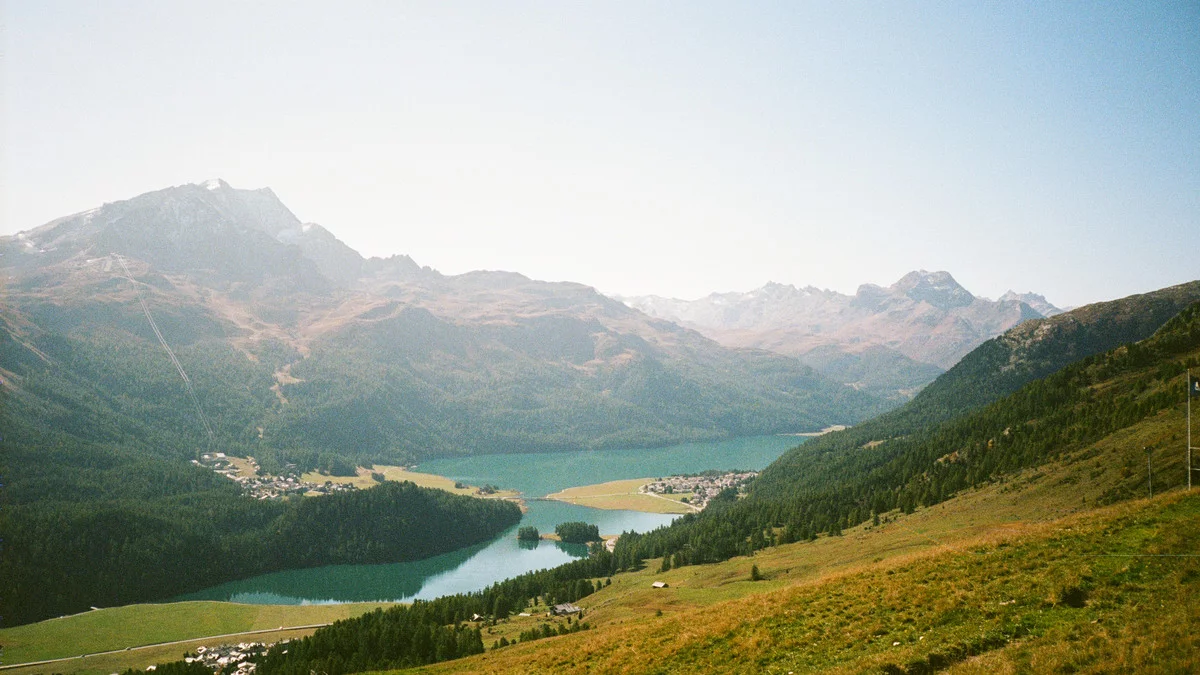
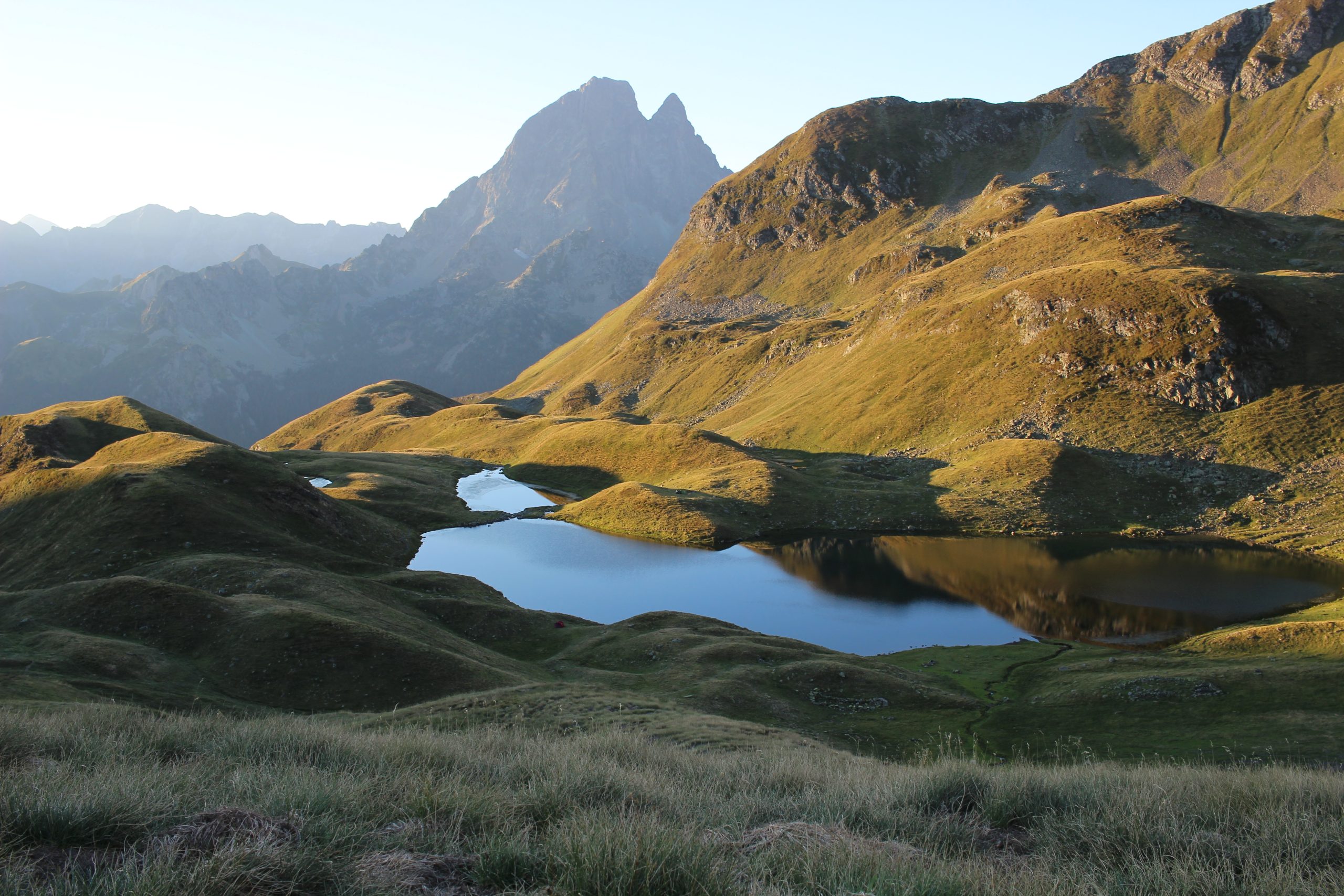
To speak of the French Pyrenees in summer is to speak of a vibrant landscape where mountains exceeding 3,000 meters coexist with shepherds still moving their flocks, and routes invite unhurried exploration, whether on foot or by bicycle.
The French Pyrenees region has established itself as one of Europe's premier cycling tourism destinations thanks to two major itineraries that cross it from west to east, from the Atlantic to the Mediterranean: the Vélosud and the Route de Cols. Two distinct ways of understanding cycling – one more accessible and contemplative, the other demanding and legendary.
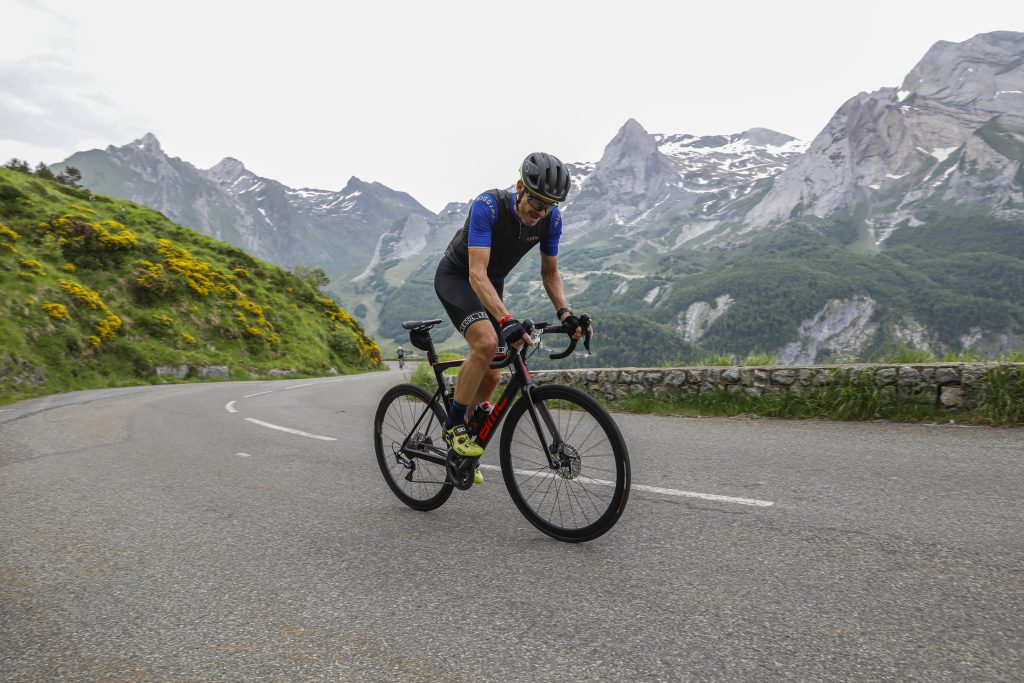
Between May and October, the Pyrenees also become a global epicenter for professional cycling. The Tour de France transforms its mountain passes into legendary stages—with Tourmalet as the absolute icon—and this year it will do so again during the first half of July, attracting fans from around the world.
Both routes allow travelers to traverse the region at their own pace, with adaptable stages depending on skill level, time, or ambition. Access from Spain is particularly convenient, thanks to stations like Biarritz or Perpignan, connected to the high-speed rail network.
Vélosud: The great accessible Pyrenean route
The Vélosud (V81) is the gateway to Pyrenean cycling tourism. It links the Atlantic with the Mediterranean across the foothills, a 658-kilometer journey divided into 13 stages. Its gentle profile—around 5,000 meters of accumulated elevation gain—makes it an ideal option for amateur cyclists, families, or mixed groups.
It can be cycled in its entirety or segmented, alternating between asphalt and forest tracks suitable even for mountain bikes. But beyond the pedaling, the route is a succession of experiences combining landscape, heritage, and local life.
Villages that stop time
The route passes through enclaves like Saint-Jean-Pied-de-Port, with its intact Basque-French architecture, or Mirepoix, where arcaded squares and timber-framed houses preserve an almost unspoiled medieval aesthetic.
Further along, the Château de Pau emerges as one of the tour's major cultural landmarks. The birthplace of Henry IV, it offers a historic pause in the middle of the journey, with gardens and views that connect directly with the Pyrenean landscape.
Gastronomy and local life
In the Ossau valley, the route also becomes a culinary journey. Small farms open their doors to showcase the production of Ossau-Iraty cheese, a protected designation of origin product made from the milk of local sheep. The experience is not only culinary but also human: sharing a meal with shepherds is part of the journey.
Accommodations with identity
The Vélosud’s infrastructure has transformed old train stations into eco-friendly rural accommodations. Near Foix, it's even possible to sleep in restored train carriages, designed for cyclists' rest and the security of their equipment.
Gentle passes, visual reward
While avoiding the highest peaks, the route includes accessible ascents like the Col de Spandelles. Gentle climbs, without extreme demands, allow one to summit a Pyrenean pass without professional training, and to enjoy broad, panoramic descents.
Route de Cols: The Pyrenees in their purest form
At the opposite end lies the Route de Cols. This is not a recreational route, but rather a physical and mental challenge. A 910-kilometer course with over 20,000 meters of accumulated elevation gain, linking 34 of the most iconic passes in the French Pyrenees.
Legendary Tour passes
The route traverses global cycling icons such as the Col du Tourmalet, the Col d'Aubisque, and the Col de Peyresourde. These ascents are part of the Tour de France's collective imagination and allow cyclists to ride on the same asphalt as the great names in professional cycling.
Thermalism as a reward
Effort finds its natural counterbalance in thermal towns like Bagnères-de-Luchon or Argelès-Gazost. These spaces, where relaxation in sulphurous waters becomes an essential part of the journey.
The Pic du Midi
One of the most spectacular detours is the ascent to the Pic du Midi de Bigorre. At almost 2,900 meters of altitude, the observatory offers one of the most expansive panoramas of the Pyrenees and exceptionally clear skies for astronomical observation.
High-altitude gastronomy
In mountain refuges, the cuisine is tailored to the exertion. Garbure—a traditional soup of cabbage, legumes, and duck confit—acts as natural fuel for cyclists. The Porc Noir de Bigorre, an emblematic local product, is also noteworthy.
Specialized cycling infrastructure
Towns like Saint-Lary-Soulan have adapted their offerings to the advanced cyclist, with mechanical workshops, washing areas, and accommodations prepared for high-value bicycles.
Cycl’n Tour: Experiencing the Tour de France from within
Every summer, the Pyrenees transform during the passage of the Tour de France. With the Cycl'n Tour initiative, between July 6th and 13th, some roads in the Hautes-Pyrénées are closed to motorized traffic to allow thousands of amateur cyclists to ascend the same passes as the professional elite.
The experience allows climbing without vehicles, occupying strategic roadside positions, and awaiting the peloton's arrival under safe conditions. The result is a unique setting: a grand natural stadium where the public first experiences the effort firsthand, and then watches the competition live.
A complete cycling destination
The French Pyrenees are more than just a summer destination. It's a region designed for movement, where cycling coexists with landscape, gastronomy, thermal culture, and history.