%20--%3e%3cdefs%3e%3cstyle%3e%20.st0%20{%20fill:%20%231d1d1b;%20}%20%3c/style%3e%3c/defs%3e%3cpath%20class='st0'%20d='M174.5,69.9c-2.1-4.9-5.6-10.7-10.4-17.3-4.9-6.6-11-13.3-18.2-20-8.3-8.3-17.9-14.7-28.8-19-10.9-4.4-21.9-6.6-33-6.6s-23.7,2.7-33,8.1c-6.4,4.4-11.6,10.3-15.1,17.7-3.7,7.3-5.4,15.2-5.4,23.6,0,32.9,22.7,53.8,68,62.6,35.6,7,60.4,17.4,74.7,31.3,14.2,13.9,20.5,32.9,18.7,57-1.3,25.5-10.7,44.2-28.2,56.3-17.4,12.2-38.5,18.4-62.8,18.7-20-.2-38.3-3-55.2-8.1-16.9-5.2-31.2-12.6-43.1-22.1l-1.1-67.7c7.2,22.8,19.5,42,36.8,57.6,17.2,15.6,36.3,25.6,57.3,29.9,7.6,1.6,14.8,2.3,21.8,2.3,17.1,0,31.1-4.2,42.2-12.7,11-8.4,16.6-21.2,16.6-38.3s-6.4-30.7-19.5-43c-13-12.3-36.5-22.2-70.4-29.8-29.3-6.4-49.3-16.2-60.1-29.3-10.8-13.1-15.9-29.1-15.3-48,.2-14,4.2-26.3,12-37.1s18.4-19.2,31.9-25.2c13.4-6.1,28.8-9.1,45.9-9.1s28.2,1.9,41,5.7c12.8,3.8,23.7,8.3,32.5,13.8l.8,49h-.3Z'/%3e%3cpath%20class='st0'%20d='M269.3,250c0,11.1,3.7,18.4,10.9,22,7.2,3.4,14,5.2,20.2,5.2h-90.2c6.2,0,12.9-1.8,20-5.2,7.1-3.4,10.7-10.8,10.7-22V32.1c0-11.1-3.4-18.4-10.4-22-7-3.4-13.8-5.2-20.2-5.2h90.2c-6.4,0-13.3,1.8-20.5,5.2s-10.7,10.8-10.7,22v217.7h0ZM403.9,236.7c8.8,11.4,17.7,20.5,26.7,27.2,8.9,6.8,16.8,11.2,23.6,13.6l-53.7-.8c-9.1-8.3-18.2-18.6-27.6-30.7l-73.1-94.9c-2.3-3.1-5.3-4.7-8.9-4.7-6,0-12.4,3.7-19.5,10.9l90.6-108.5c5.7-6.8,8.6-13.4,8.6-20.2s-2-11.1-6-15.3-9.2-6.9-15.8-8h80.5c-2.3,0-7.6,1.7-15.8,5-8.1,3.3-17.7,9.9-28.6,19.5-4.9,4.4-13.1,13.6-24.7,27.6-11.6,14-21.6,26.3-30.1,36.9l-6.2,7.8c-5.7,5.7-8.6,11.1-8.6,16.3s1.9,8.4,5.8,13.6l82.8,104.6v.2Z'/%3e%3cpath%20class='st0'%20d='M516.2,248.4c0,11.7,3.7,19.3,11.1,23.1,7.3,3.8,14.3,5.7,20.8,5.7h-91.4c6.4,0,13.3-1.9,20.6-5.7s10.9-11.4,10.9-23.1V33.7c0-11.9-3.7-19.7-10.9-23.3s-14.1-5.4-20.6-5.4h91.4c-6.4,0-13.4,1.8-20.8,5.4-7.3,3.7-11.1,11.4-11.1,23.3v214.6h0Z'/%3e%3cpath%20class='st0'%20d='M770.2,243.3c4.9,13,10.8,21.7,17.4,26.2,6.8,4.6,12.7,7.1,17.9,7.6h-88.2c6.8-.8,12.4-2.9,17.1-6.2s7-8.1,7-14.3-.8-7.6-2.3-11.7l-28.8-80.9h-91l-25.7,70c-2.9,7.2-4.2,13.6-4.2,19,0,14.6,9.7,22.6,29.1,24.1h-72.4c8.8-.6,16.9-4.7,24.3-12.4,7.3-7.8,13.8-18.9,19.2-33.5L678-3.2l1.1,3.4,91,243.1ZM658.7,59.8c-1.9,4.4-4.6,11-8,19.8l-29.6,80.5h87.5l-30.7-87.5c-2.9-7.8-5.2-13-7.2-15.6-1.9-2.6-3.8-3.9-5.7-3.9s-4.4,2.2-6.4,6.6h.1Z'/%3e%3cpath%20class='st0'%20d='M1008.6,243.3c4.9,13,10.8,21.7,17.4,26.2,6.8,4.6,12.7,7.1,17.9,7.6h-88.2c6.8-.8,12.4-2.9,17.1-6.2s7-8.1,7-14.3-.8-7.6-2.3-11.7l-28.8-80.9h-91l-25.7,70c-2.9,7.2-4.2,13.6-4.2,19,0,14.6,9.7,22.6,29.1,24.1h-72.4c8.8-.6,16.9-4.7,24.3-12.4,7.3-7.8,13.8-18.9,19.2-33.5L916.3-3.2l1.1,3.4,91,243.1h.1ZM897.1,59.8c-1.9,4.4-4.6,11-8,19.8l-29.6,80.5h87.5l-30.7-87.5c-2.9-7.8-5.2-13-7.2-15.6-1.9-2.6-3.8-3.9-5.7-3.9s-4.4,2.2-6.4,6.6h.1Z'/%3e%3cpath%20class='st0'%20d='M1241.1,244.5c4.9,8.6,11,15.6,18.1,21s14.1,9.3,20.8,11.7h-47.8c-8-8-16.9-20.8-26.5-38.1l-37.3-63c-7.6-12.7-15.7-21-24.3-24.9s-19.6-5.8-32.5-5.8h-12.4v107.7c0,9.9,3.3,16.3,9.9,19.5s12.9,4.7,18.9,4.7h-87.9c6.4,0,13.2-1.8,20.2-5.2s10.4-10.8,10.4-22V32.1c0-11.1-3.6-18.4-10.7-22-7.1-3.4-13.8-5.2-20-5.2,10.3,0,25.5-.2,45.1-.8l37.7-.3c29,0,51.5,2.1,67.2,6.4,15.8,4.2,27.5,12.9,35,25.9,6.2,9.9,9.3,21.9,9.3,36.1s-2.4,22.2-7.3,32.5c-4.9,10.2-11.7,18.4-20.2,24.7-5.4,3.9-11.7,7.2-18.7,9.9s-13.4,4.3-19.5,4.9c4.7,1.3,9.6,4.2,14.8,8.9,5.2,4.7,11.1,13,17.9,24.9l39.7,66.5h0ZM1187.6,120.5c12.3-12.2,18.4-28.1,18.4-47.8s-7.4-42-22.3-51.6c-14.9-9.4-36.7-14.2-65.1-14.2s-15,.1-19.5.3v134.1c9.3,0,21.6-.2,36.6-.8,22.3-1.3,39.6-8,51.9-20.2h0Z'/%3e%3c/svg%3e)

El telemark enfrenta un nuevo capítulo con las fijaciones híbridas alpinas, una evolución técnica que divide a la comunidad entre quienes celebran la innovación y quienes temen perder la esencia del giro libre.
Telemark has always had a special relationship with time. Its small, passionate community seems to oscillate between memories of the "good old days" and the uncertainty of what is to come. For some, the essence of the free heel turn lies in the use of leather and three-pin bindings, when in places like Crested Butte, Mammoth, or the northeastern United States, the discipline was rediscovered and embraced with a romantic air. For others, the true golden age arrived with the so-called "Second Great Wave" of telemark, after the advent of plastic and the revolution brought by Scarpa's Terminator boot in the nineties. That piece marked a before and after, transforming the practice and gradually bringing it closer to the philosophy of alpine skiing.
However, nostalgia is not the only driving force behind this subculture. A new generation of free-heeled skiers seems more interested in the present and what telemark can become, rather than in the memories of yesteryear. For them, what matters is the here and now, and an immediate future in which this discipline plays for its permanence in the skiing world. And that’s where the big question arises: where is telemark headed in a landscape dominated by technology, standardization, and the push of alpine skiing?
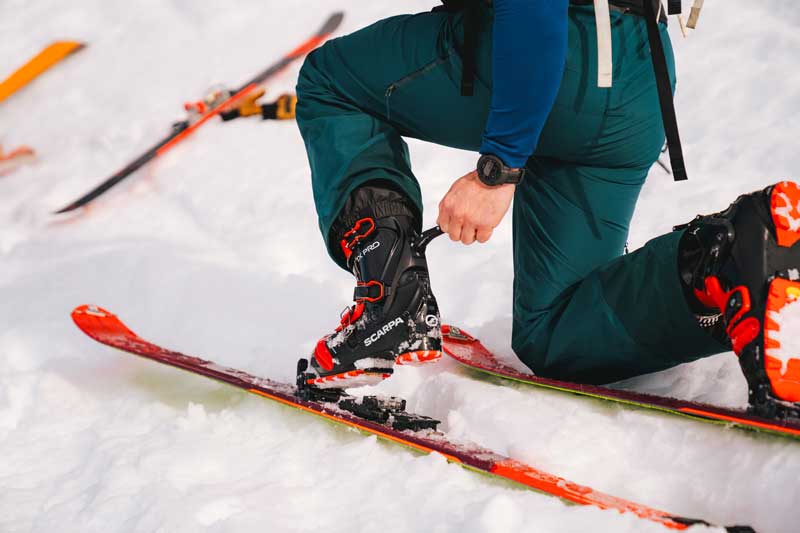
Ever since Scarpa launched the first entirely plastic boot in 1992, telemark has followed a path of convergence. What began as a sport with artisanal roots and more neutral techniques, derived from its 3-pin bindings, gradually transformed into a tougher practice, adapted to resorts with high demands. With more robust boots came more resistant bindings, and with them a style that moved away from its origins to approach the performance of fixed-heel skiing.
The arrival of the new NTN standard reinforced this trend, first eliminating traditional cables in favor of an underfoot connection, and later incorporating technologies at both the toe and heel.
The modern paradigm was consolidated with the Meidjo, launched in 2014 by Pierre Mouyade and his company The M Equipment—now InWild. This model, a pioneer in the hybrid format, introduced the possibility of adding an alpine heel accessory. A step that, in a way, opened the door to ambidextrous telemark, capable of switching between classic freedom and rigidity.
Since then, experiments have not ceased. ATK, for example, has announced plans to return to the telemark space with a hybrid binding that would allow primary heel lock.
Scarpa, for its part, has hinted at future developments that would extend the compatibility of its boots with mixed bindings, beyond the current Crispi models.
After years of decline, telemark has regained visibility. There is renewed interest that opens up the possibility of greater demand for modern equipment, especially those that combine the best of both worlds. For some, hybrid bindings offer more novelty than true utility. Ski guides and patrollers, who need the stability of a fixed heel in variable conditions or during rapid operations, do find clear advantages. But for the average enthusiast, that possibility seems less relevant; the free-heel turning experience remains the main reason someone dons telemark boots.
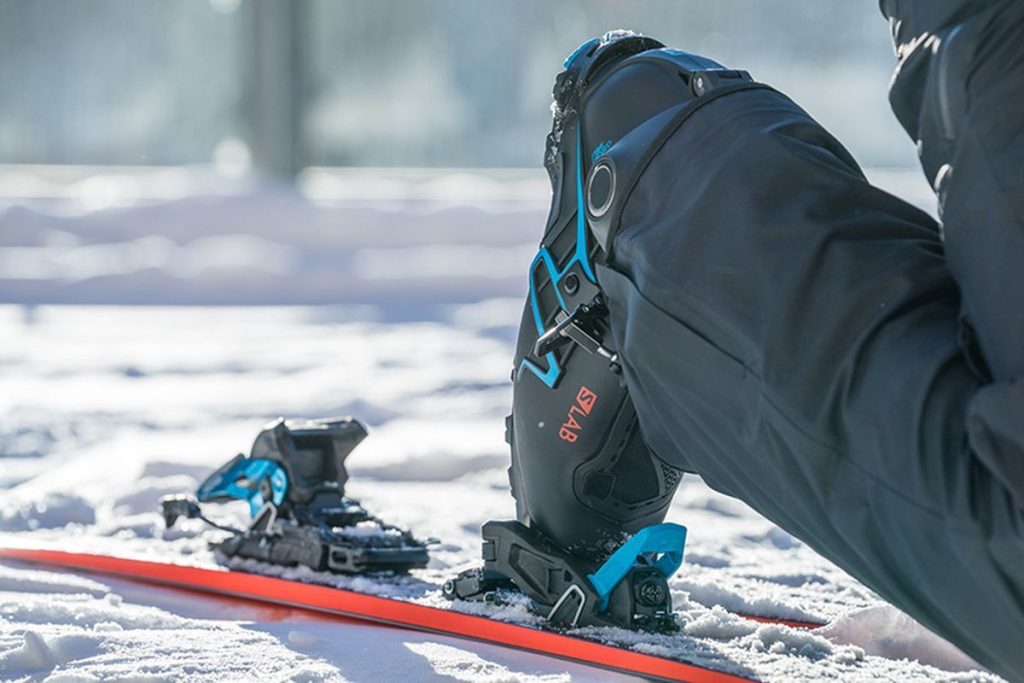
Furthermore, a fundamental dilemma arises. Can hybridization attract new skiers from alpine, or does it merely serve those already part of this small community? The general feeling leans toward the latter. Regardless of technical innovations, telemark continues to be a niche within skiing, a particular way of gliding that moves between periods of boom and decline, never quite integrating into the mainstream.
The future of telemark, the closer it gets to alpine skiing in technique and equipment, the more it risks losing its essence. And yet, that very approximation allows it to continue evolving and keep alive an interest that seemed to be fading. It is possible that hybrid bindings will consolidate as another chapter in this history of adaptation, or that they will end up being an anecdote in a sport that has always oscillated between tradition and innovation.