%20--%3e%3cdefs%3e%3cstyle%3e%20.st0%20{%20fill:%20%231d1d1b;%20}%20%3c/style%3e%3c/defs%3e%3cpath%20class='st0'%20d='M174.5,69.9c-2.1-4.9-5.6-10.7-10.4-17.3-4.9-6.6-11-13.3-18.2-20-8.3-8.3-17.9-14.7-28.8-19-10.9-4.4-21.9-6.6-33-6.6s-23.7,2.7-33,8.1c-6.4,4.4-11.6,10.3-15.1,17.7-3.7,7.3-5.4,15.2-5.4,23.6,0,32.9,22.7,53.8,68,62.6,35.6,7,60.4,17.4,74.7,31.3,14.2,13.9,20.5,32.9,18.7,57-1.3,25.5-10.7,44.2-28.2,56.3-17.4,12.2-38.5,18.4-62.8,18.7-20-.2-38.3-3-55.2-8.1-16.9-5.2-31.2-12.6-43.1-22.1l-1.1-67.7c7.2,22.8,19.5,42,36.8,57.6,17.2,15.6,36.3,25.6,57.3,29.9,7.6,1.6,14.8,2.3,21.8,2.3,17.1,0,31.1-4.2,42.2-12.7,11-8.4,16.6-21.2,16.6-38.3s-6.4-30.7-19.5-43c-13-12.3-36.5-22.2-70.4-29.8-29.3-6.4-49.3-16.2-60.1-29.3-10.8-13.1-15.9-29.1-15.3-48,.2-14,4.2-26.3,12-37.1s18.4-19.2,31.9-25.2c13.4-6.1,28.8-9.1,45.9-9.1s28.2,1.9,41,5.7c12.8,3.8,23.7,8.3,32.5,13.8l.8,49h-.3Z'/%3e%3cpath%20class='st0'%20d='M269.3,250c0,11.1,3.7,18.4,10.9,22,7.2,3.4,14,5.2,20.2,5.2h-90.2c6.2,0,12.9-1.8,20-5.2,7.1-3.4,10.7-10.8,10.7-22V32.1c0-11.1-3.4-18.4-10.4-22-7-3.4-13.8-5.2-20.2-5.2h90.2c-6.4,0-13.3,1.8-20.5,5.2s-10.7,10.8-10.7,22v217.7h0ZM403.9,236.7c8.8,11.4,17.7,20.5,26.7,27.2,8.9,6.8,16.8,11.2,23.6,13.6l-53.7-.8c-9.1-8.3-18.2-18.6-27.6-30.7l-73.1-94.9c-2.3-3.1-5.3-4.7-8.9-4.7-6,0-12.4,3.7-19.5,10.9l90.6-108.5c5.7-6.8,8.6-13.4,8.6-20.2s-2-11.1-6-15.3-9.2-6.9-15.8-8h80.5c-2.3,0-7.6,1.7-15.8,5-8.1,3.3-17.7,9.9-28.6,19.5-4.9,4.4-13.1,13.6-24.7,27.6-11.6,14-21.6,26.3-30.1,36.9l-6.2,7.8c-5.7,5.7-8.6,11.1-8.6,16.3s1.9,8.4,5.8,13.6l82.8,104.6v.2Z'/%3e%3cpath%20class='st0'%20d='M516.2,248.4c0,11.7,3.7,19.3,11.1,23.1,7.3,3.8,14.3,5.7,20.8,5.7h-91.4c6.4,0,13.3-1.9,20.6-5.7s10.9-11.4,10.9-23.1V33.7c0-11.9-3.7-19.7-10.9-23.3s-14.1-5.4-20.6-5.4h91.4c-6.4,0-13.4,1.8-20.8,5.4-7.3,3.7-11.1,11.4-11.1,23.3v214.6h0Z'/%3e%3cpath%20class='st0'%20d='M770.2,243.3c4.9,13,10.8,21.7,17.4,26.2,6.8,4.6,12.7,7.1,17.9,7.6h-88.2c6.8-.8,12.4-2.9,17.1-6.2s7-8.1,7-14.3-.8-7.6-2.3-11.7l-28.8-80.9h-91l-25.7,70c-2.9,7.2-4.2,13.6-4.2,19,0,14.6,9.7,22.6,29.1,24.1h-72.4c8.8-.6,16.9-4.7,24.3-12.4,7.3-7.8,13.8-18.9,19.2-33.5L678-3.2l1.1,3.4,91,243.1ZM658.7,59.8c-1.9,4.4-4.6,11-8,19.8l-29.6,80.5h87.5l-30.7-87.5c-2.9-7.8-5.2-13-7.2-15.6-1.9-2.6-3.8-3.9-5.7-3.9s-4.4,2.2-6.4,6.6h.1Z'/%3e%3cpath%20class='st0'%20d='M1008.6,243.3c4.9,13,10.8,21.7,17.4,26.2,6.8,4.6,12.7,7.1,17.9,7.6h-88.2c6.8-.8,12.4-2.9,17.1-6.2s7-8.1,7-14.3-.8-7.6-2.3-11.7l-28.8-80.9h-91l-25.7,70c-2.9,7.2-4.2,13.6-4.2,19,0,14.6,9.7,22.6,29.1,24.1h-72.4c8.8-.6,16.9-4.7,24.3-12.4,7.3-7.8,13.8-18.9,19.2-33.5L916.3-3.2l1.1,3.4,91,243.1h.1ZM897.1,59.8c-1.9,4.4-4.6,11-8,19.8l-29.6,80.5h87.5l-30.7-87.5c-2.9-7.8-5.2-13-7.2-15.6-1.9-2.6-3.8-3.9-5.7-3.9s-4.4,2.2-6.4,6.6h.1Z'/%3e%3cpath%20class='st0'%20d='M1241.1,244.5c4.9,8.6,11,15.6,18.1,21s14.1,9.3,20.8,11.7h-47.8c-8-8-16.9-20.8-26.5-38.1l-37.3-63c-7.6-12.7-15.7-21-24.3-24.9s-19.6-5.8-32.5-5.8h-12.4v107.7c0,9.9,3.3,16.3,9.9,19.5s12.9,4.7,18.9,4.7h-87.9c6.4,0,13.2-1.8,20.2-5.2s10.4-10.8,10.4-22V32.1c0-11.1-3.6-18.4-10.7-22-7.1-3.4-13.8-5.2-20-5.2,10.3,0,25.5-.2,45.1-.8l37.7-.3c29,0,51.5,2.1,67.2,6.4,15.8,4.2,27.5,12.9,35,25.9,6.2,9.9,9.3,21.9,9.3,36.1s-2.4,22.2-7.3,32.5c-4.9,10.2-11.7,18.4-20.2,24.7-5.4,3.9-11.7,7.2-18.7,9.9s-13.4,4.3-19.5,4.9c4.7,1.3,9.6,4.2,14.8,8.9,5.2,4.7,11.1,13,17.9,24.9l39.7,66.5h0ZM1187.6,120.5c12.3-12.2,18.4-28.1,18.4-47.8s-7.4-42-22.3-51.6c-14.9-9.4-36.7-14.2-65.1-14.2s-15,.1-19.5.3v134.1c9.3,0,21.6-.2,36.6-.8,22.3-1.3,39.6-8,51.9-20.2h0Z'/%3e%3c/svg%3e)
From conquering eight consecutive World Cups to propelling two brands with international ambitions. Marcel Hirscher has found in the ski and technical apparel industry a new arena to apply the same exacting standards that defined his sporting career. Behind VAN DEER–Red Bull Sports and The Mountain Studio lies far more than a champion’s name: a business strategy connecting innovation, industry, and alpine culture.
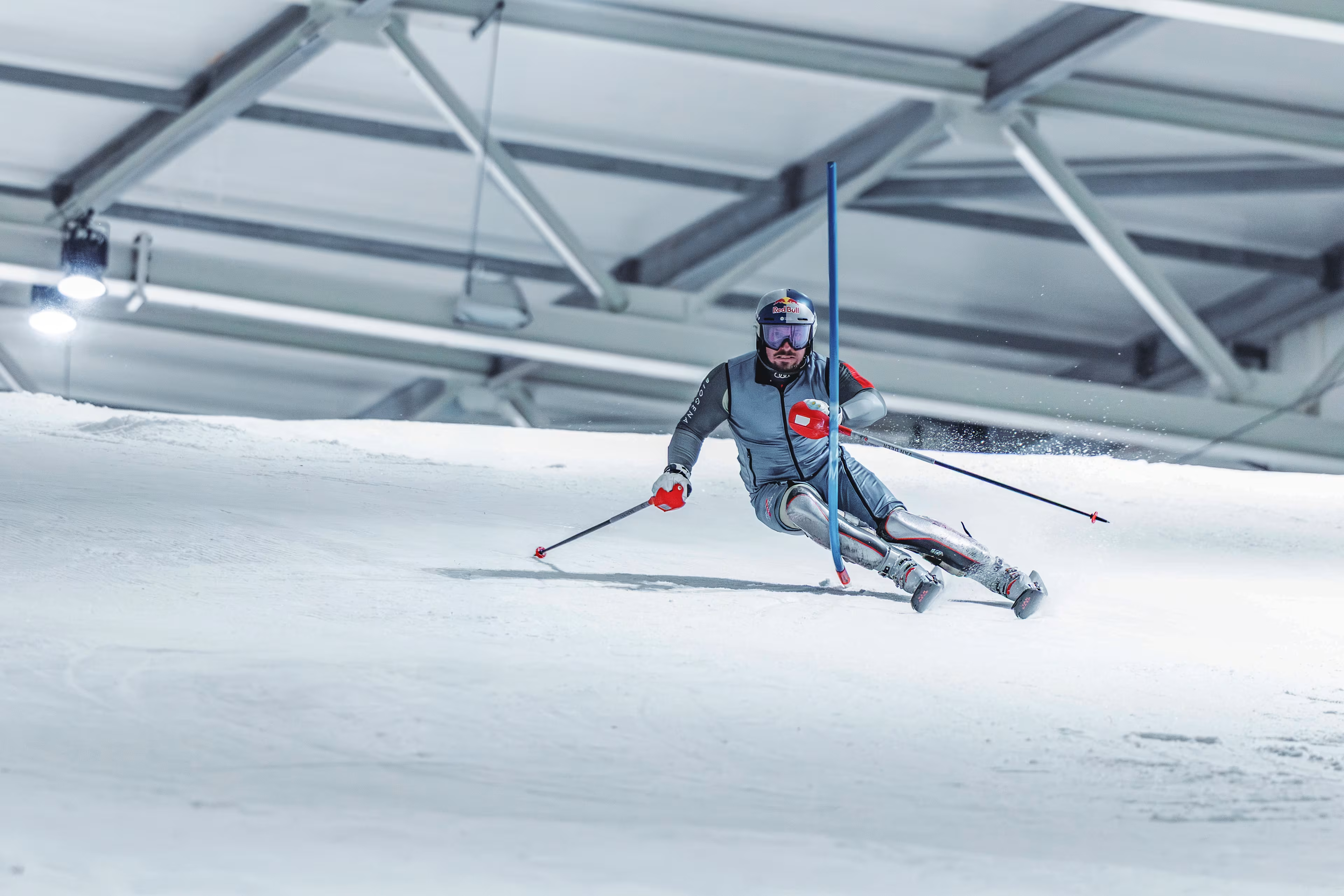
For more than a decade, Marcel Hirscher built his career around a deceptively simple premise: there is always a way to do it better. In a sport where mere hundredths of a second separate triumph from defeat, the Austrian forged precision into a discipline of its own. Skiing faster was never enough. Every variable had to be decoded—from the geometry of the skis to the dynamic response of the materials—discovering marginal gains where others saw none.
That mindset propelled him to eight consecutive overall World Cup titles between 2012 and 2019, alongside 67 circuit victories and two Olympic gold medals. Yet his influence on alpine skiing did not conclude with his initial retirement in 2019. While other titans of the sport prolonged their careers through endorsements, public appearances, and commercial collaborations, Hirscher set out to build something different: enterprises capable of designing, manufacturing, and marketing products within the very industry that had defined his life.
The outcome is two projects with distinct identities, yet a shared philosophy: VAN DEER–Red Bull Sports, a high-performance ski hardware brand, and The Mountain Studio, a premium technical apparel label bridging the alpine world with contemporary lifestyle. Two ventures that illustrate the evolution of the alpine economy and the role its most celebrated figures can play within it.
VAN DEER: FROM ATHLETIC EXPERTISE TO INDUSTRY
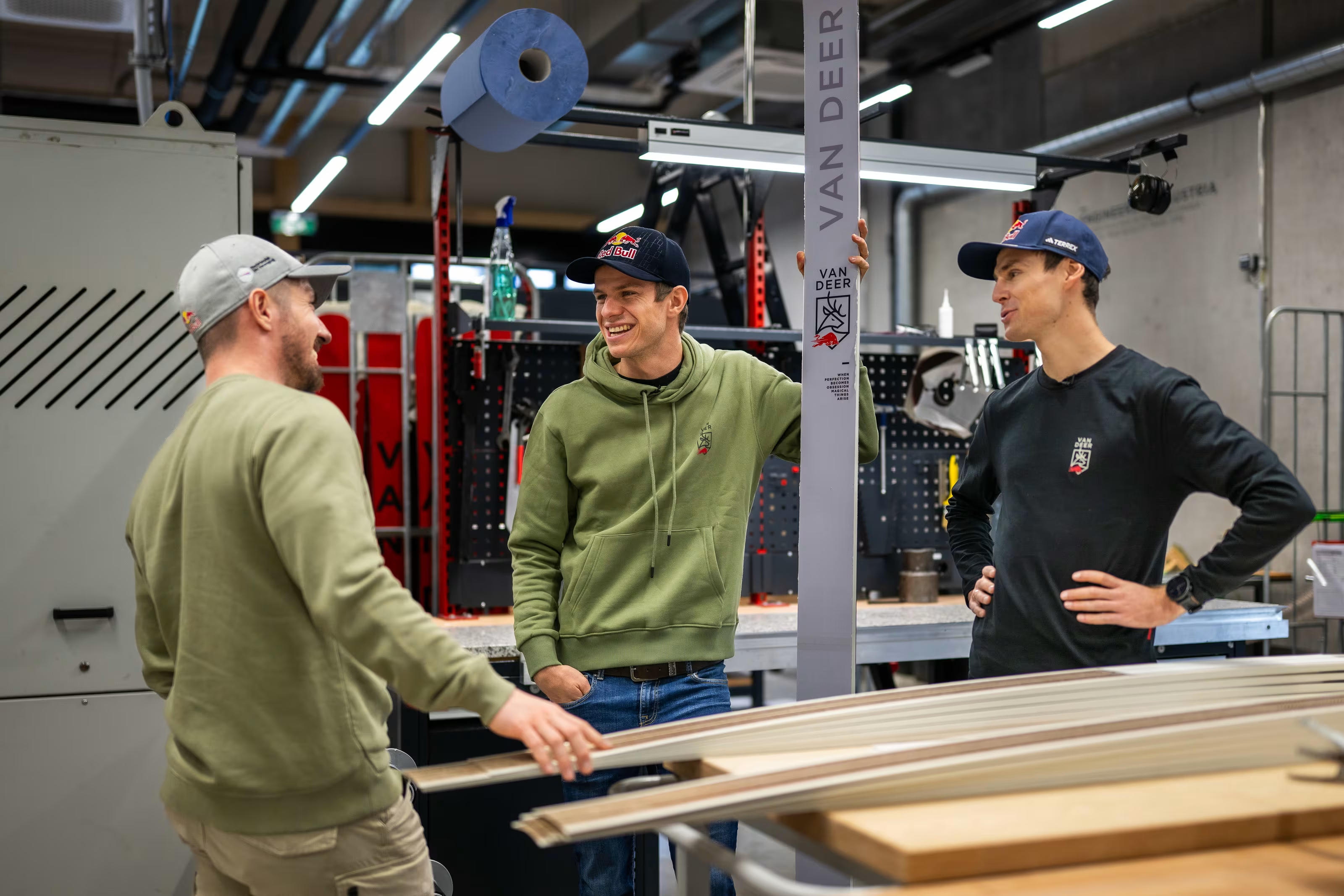
The founding of VAN DEER in 2021 marked a pivotal shift in Hirscher’s relationship with sporting equipment. Throughout his career, he had collaborated closely with technicians and engineers to refine the skis he raced on. His new ambition was to steer product development directly, channeling that expertise into a brand built entirely around his technical standards.
The move carried profound business implications. The alpine ski market is dominated by heritage manufacturers boasting decades of industrial expertise, entrenched commercial structures, and a deep-seated presence across European resorts. Introducing a newcomer into that arena demands far more than athletic renown. It requires capital, manufacturing capacity, distribution, and a proposition distinct enough to sway consumers who have historically pledged loyalty to established makers.
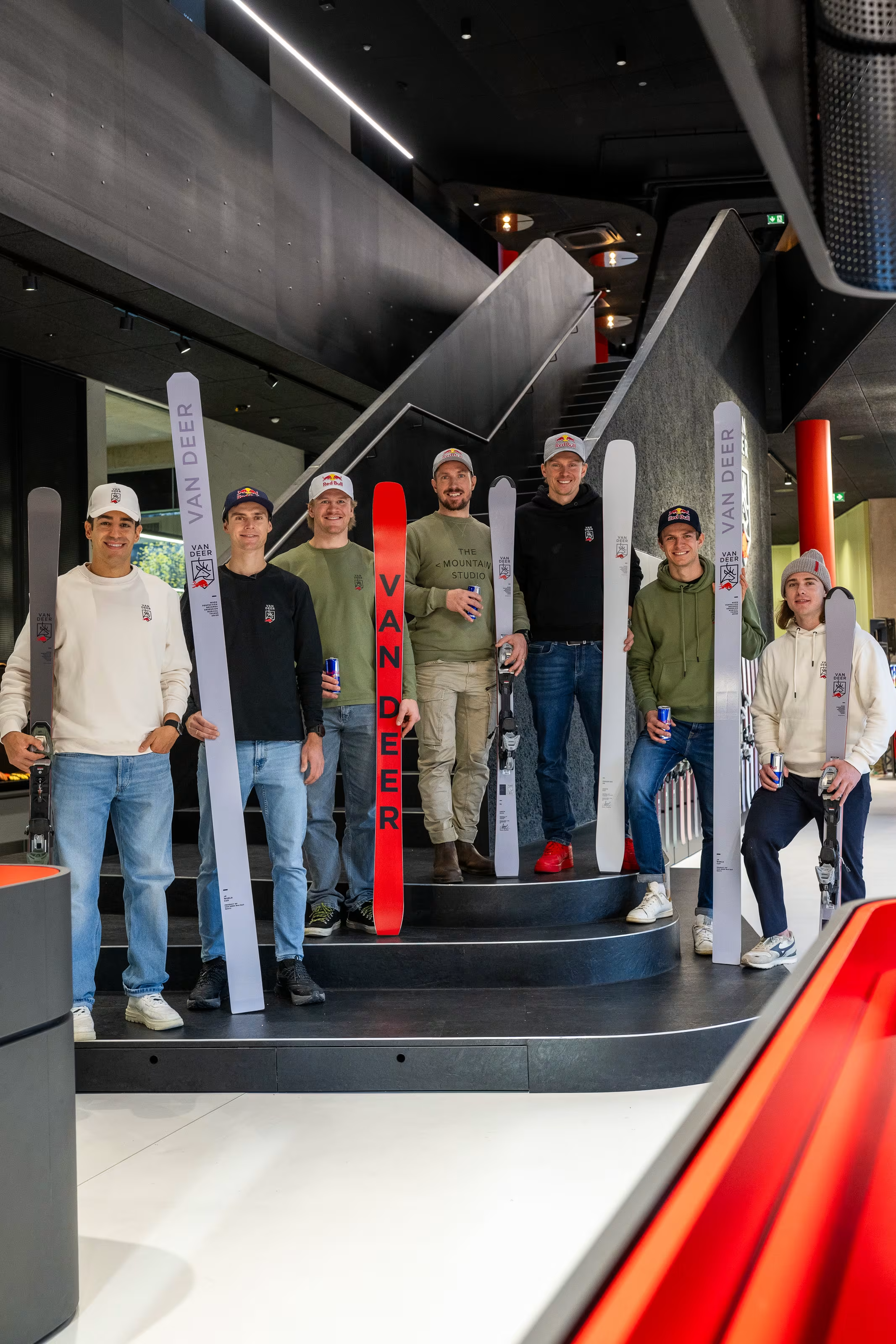
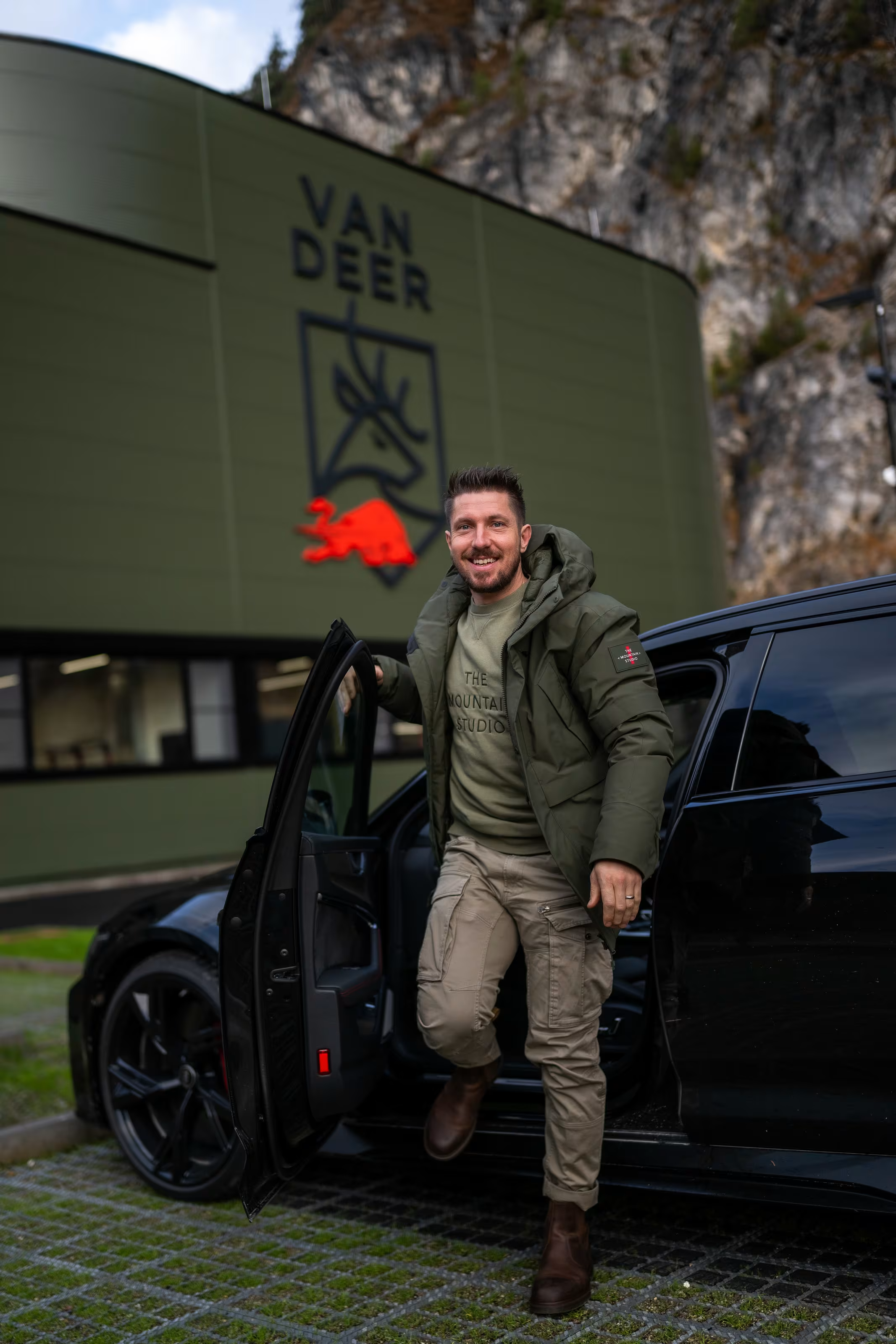
The 2022 partnership with Red Bull lent the venture an entirely new dimension. VAN DEER–Red Bull Sports came to unite Hirscher’s technical insight with the brand-building prowess and corporate backing of one of global sport's most influential entities. The deal also encompassed the acquisition of manufacturer Augment, consolidating the project's industrial capabilities.
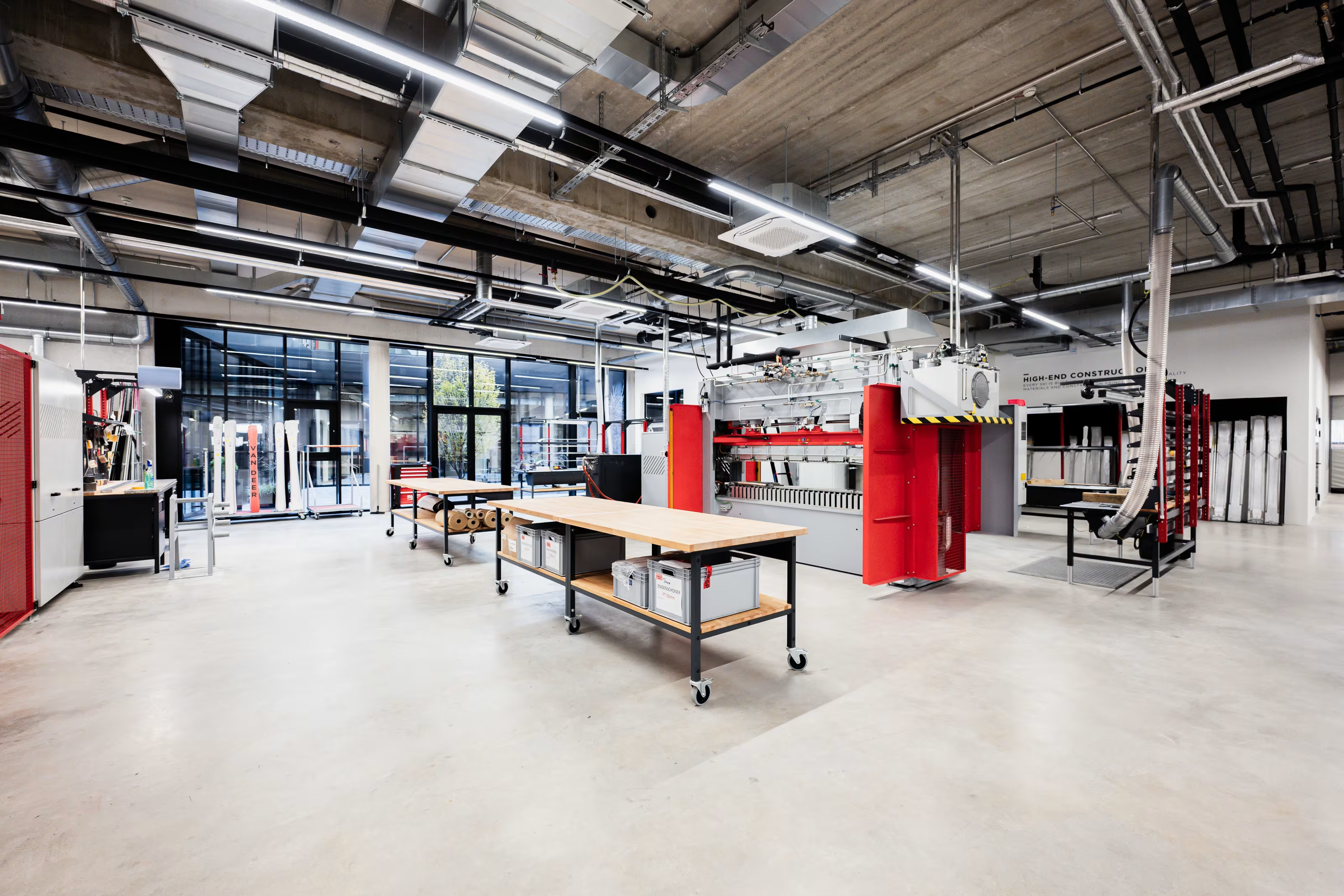
In 2025, the unveiling of a new headquarters in Scheffau, Austria, gave physical form to that ambition. Spanning 6,900 square meters, the complex brings together production facilities, offices, and a flagship store. Beyond its architectural scale, it reflects a decisive strategy to maintain direct control over a vital segment of the value chain: from technical development and manufacturing through to the brand experience.
Competition remains a cornerstone of its strategy. Henrik Kristoffersen’s slalom victory at the 2023 World Championships on VAN DEER–Red Bull Sports skis delivered the brand an athletic validation unattainable through conventional marketing. In an industry where performance serves as the ultimate sales argument, World Cup podiums carry a weight that far transcends advertising visibility.
Yet the genuine challenge lies beyond crafting skis capable of winning races. It lies in translating that technical pedigree into a sustainable business and cultivating a community of consumers who appreciate the product's intrinsic value, irrespective of podium results.
THE MOUNTAIN STUDIO: WHERE PERFORMANCE MEETS STYLE
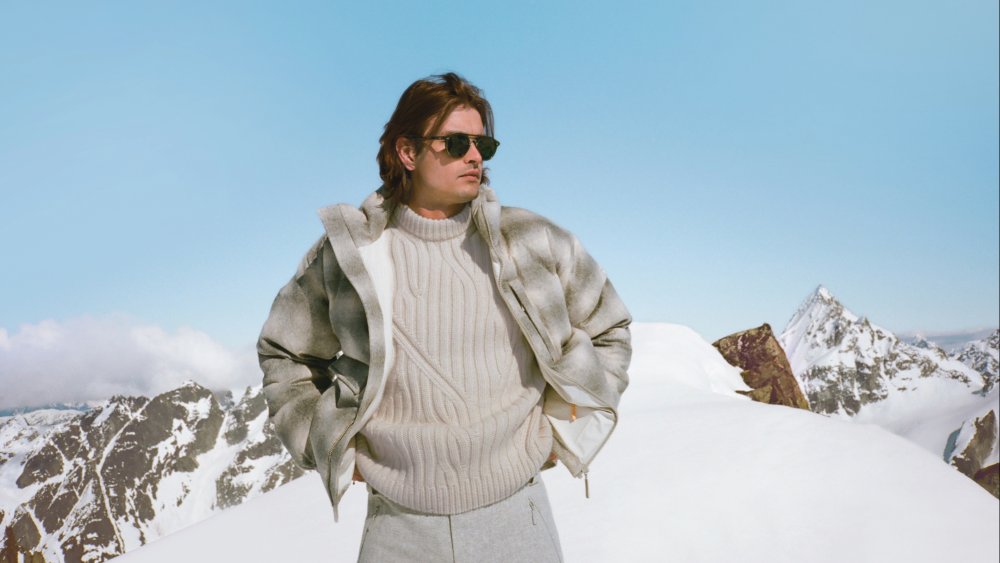
Hirscher’s second major venture unfolds on different terrain. The Mountain Studio, co-founded alongside Stefan Engström and Peter Blom—industry veterans instrumental to the legacy of Peak Performance—responds to a shift redefining the mountain apparel sector.
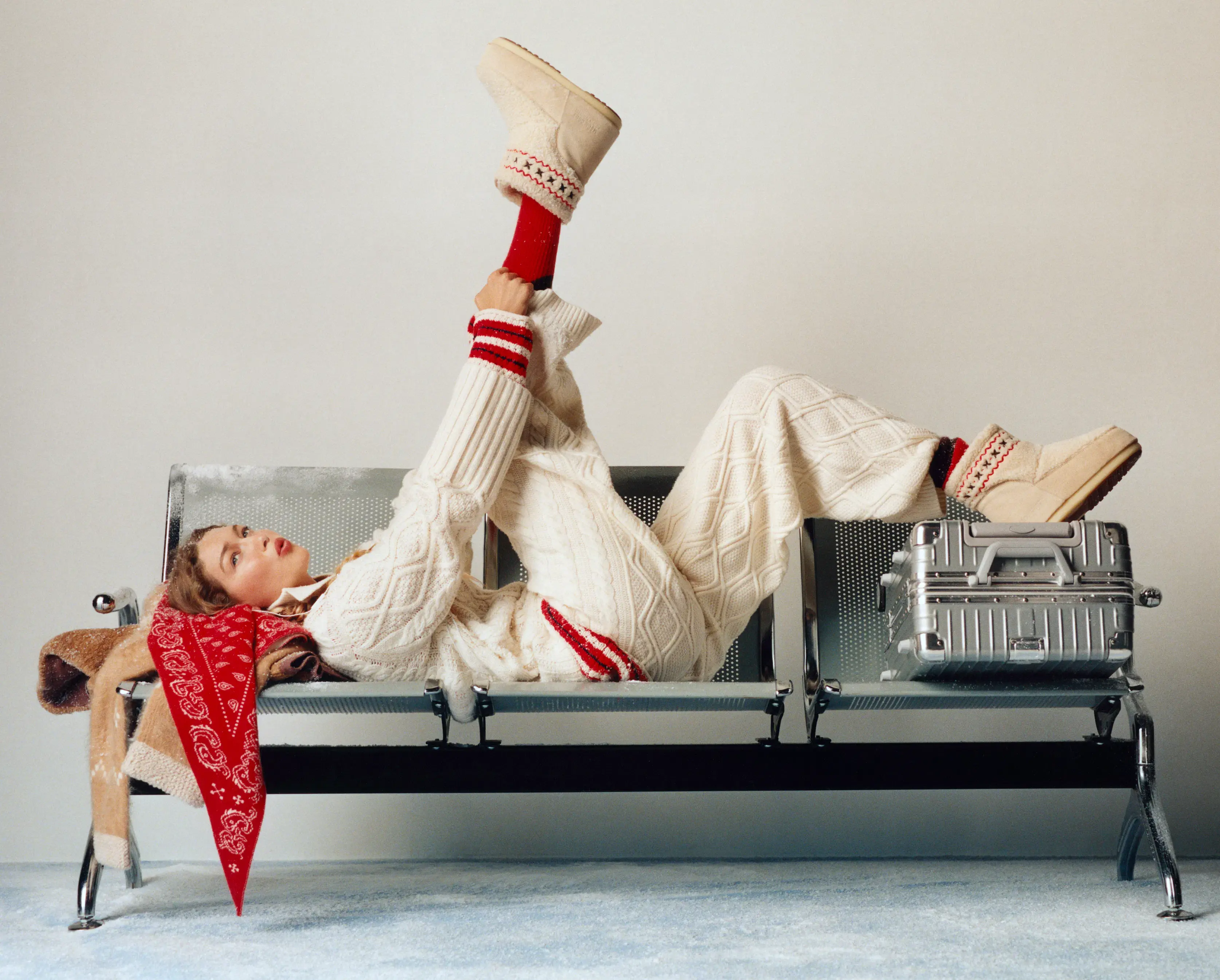
For decades, the industry drew a sharp line between technical athletic garments and everyday lifestyle collections. That boundary has steadily dissolved. Functionality, material integrity, and outdoor-inspired aesthetics have drawn in new consumers who may not race down slopes, but deeply align with alpine values and lifestyle.
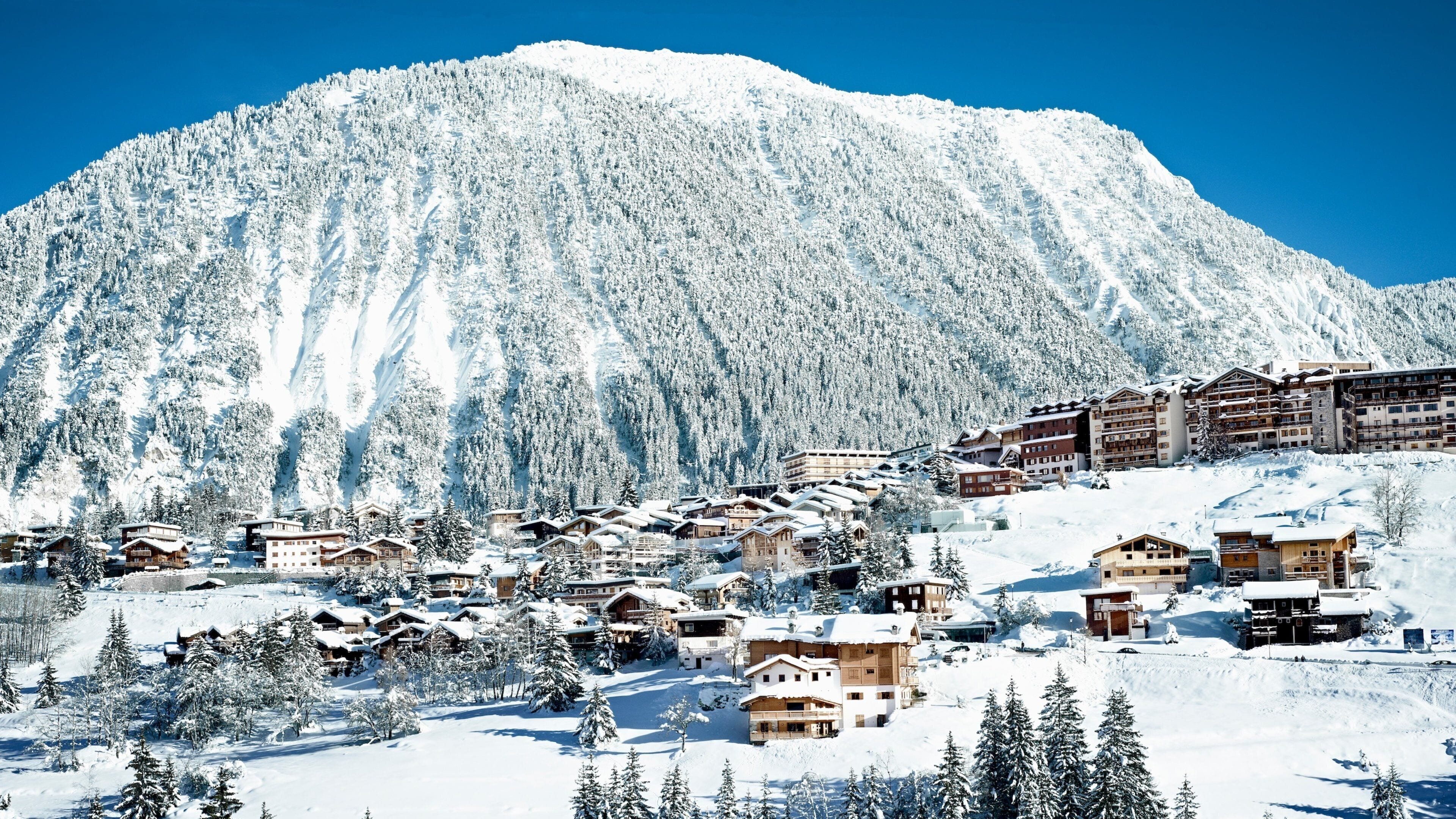
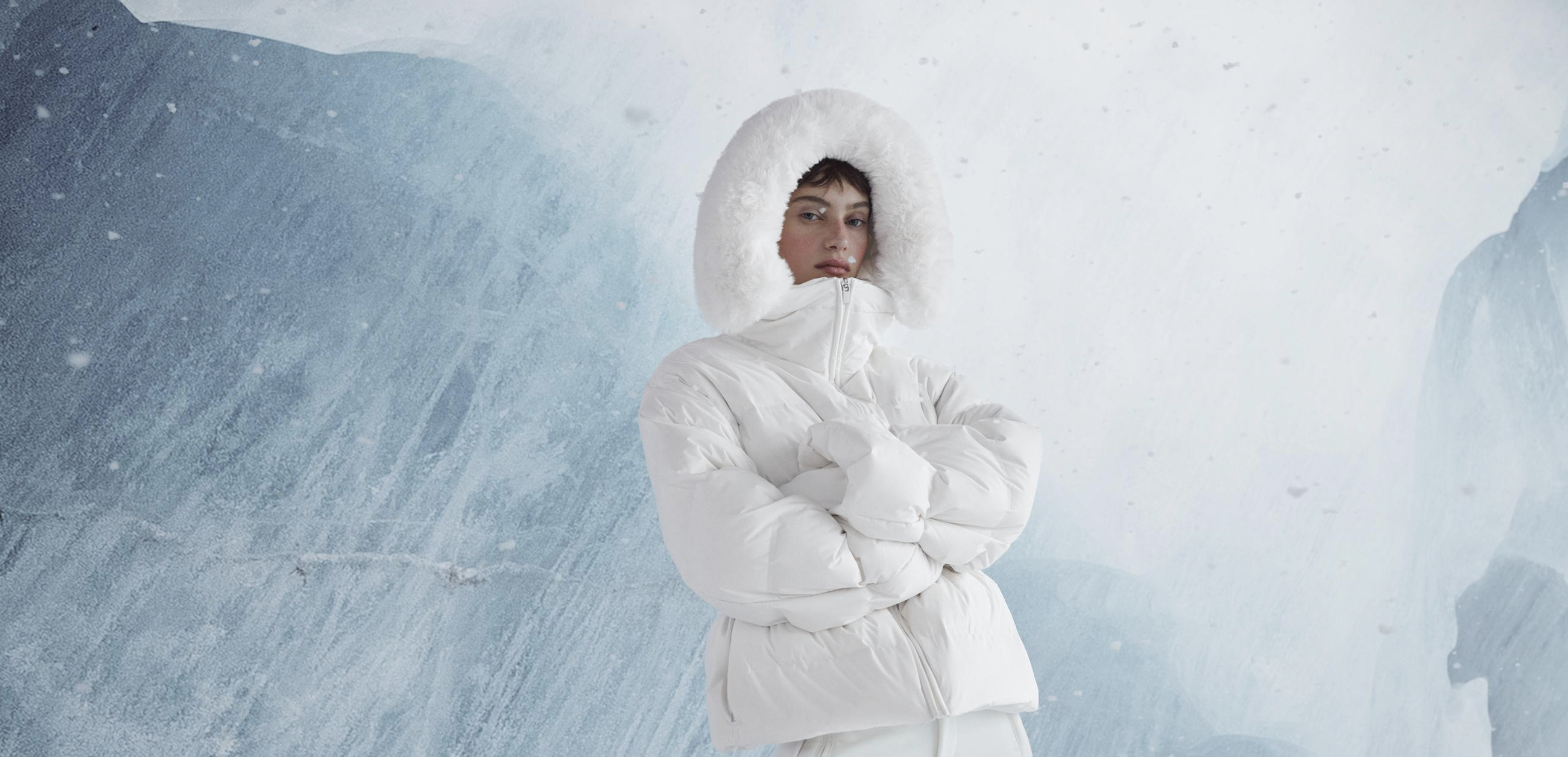
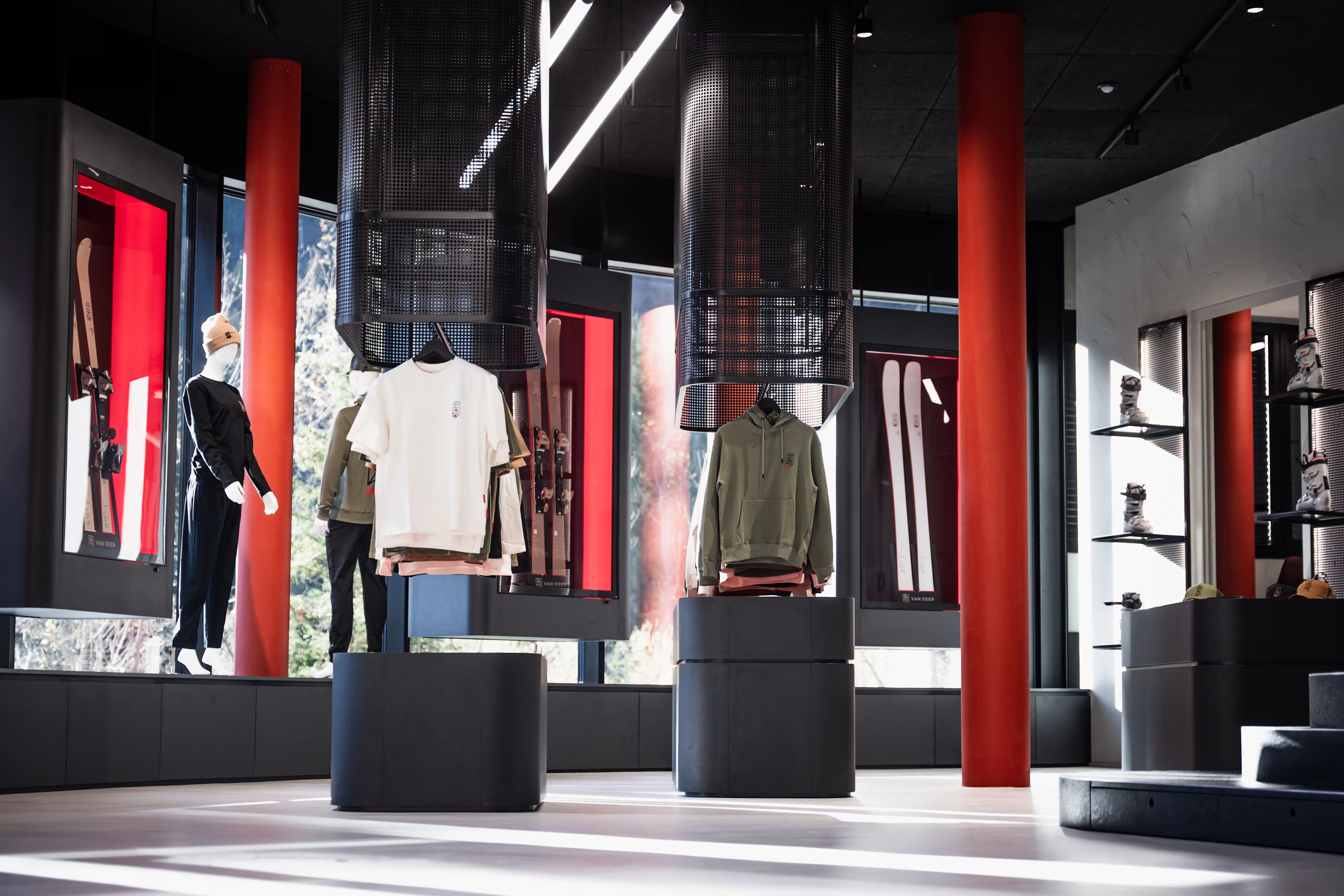
Rooted in Zermatt, one of the world's premier alpine destinations, The Mountain Studio develops collections spanning skiing, outdoor pursuits, and lifestyle. Its positioning balances technical performance, understated design, and versatility, with an aesthetic calibrated to transition effortlessly from ski resort to city streets.
Hirscher’s involvement extends far beyond serving as the face of the brand. The label emphasizes his hands-on role in product testing and development—a natural continuation of the rigorous relationship he maintained with sports technology throughout his racing days. Commercially, the venture’s strength also stems from the proven track record of his partners and the development of a framework primed for global expansion.
Recent financial disclosures point to a company in an active growth phase. The Mountain Studio Sweden AB posted net sales of SEK 97.3 million in its most recent fiscal year—spanning an exceptional 16-month period—up from SEK 56.6 million the previous year. On an adjusted, comparable monthly basis, revenue grew by roughly 29%.
Expansion, however, carries a cost. The company posted an operating loss of SEK 4.6 million and reinforced its balance sheet via a SEK 16.6 million capital increase. These figures underscore both the venture's commercial potential and the capital intensity required to scale an international label in a competitive landscape.
The forward strategy encompasses broader collection diversification, expansion into markets beyond Europe, and a logistics infrastructure designed to support growth in North America. Furthermore, its appointment as official functional apparel supplier for the 2027 Alpine World Ski Championships in Crans-Montana presents a high-visibility platform for a brand fundamentally tied to competitive skiing.
A NEW ALPINE ECONOMY
Hirscher’s ventures reflect a broader cultural shift. The alpine world is no longer defined strictly by athletics and seasonal tourism. Around it, an economy has crystallized—weaving together fashion, technology, architecture, hospitality, gastronomy, and high-end experiences—drawing consumers and enterprises that perceive the mountains as a cultural domain in their own right.
Luxury houses have steadily woven skiwear into their winter collections, while technical brands look to expand well beyond traditional sporting channels. Within this landscape, authentic mountain heritage has emerged as a prized asset. Credibility cannot simply be bought with ad campaigns; it demands intimate product knowledge, uncompromising functionality, and a legitimate connection to the community that lives the sport.
Hirscher commands a singular vantage point in this arena. His pedigree affords him an unassailable technical authority, yet scaling businesses demands an entirely different toolkit from dominating the World Cup. Financial management, global distribution, brand positioning, and team building are arenas where victory is measured by a different metric.
A fundamental distinction also separates his two enterprises. VAN DEER–Red Bull Sports operates in a specialized arena where uncompromising performance and technical innovation reign supreme. The Mountain Studio contends in a broader marketplace, where technical utility must harmonize with consumer trends, wholesale distribution, and a distinct aesthetic signature.
What binds the two is the ambition to channel highly specialized sporting know-how into commercially compelling products. It is not about licensing the Marcel Hirscher name, but about engineering brands capable of standing firmly on their own merits.
THE CHALLENGE OF BUILDING SOMETHING THAT ENDURES
Hirscher’s entrepreneurial journey is all the more compelling because it unfolds while his competitive chapter remains open. After returning to the circuit in 2024 representing the Netherlands, a knee injury halted his comeback. In January 2026, he ruled out competing at the Milano Cortina Olympic Games, acknowledging he had yet to regain top form. By September, he returned to the snow after an eight-month hiatus, though without committing to a date for his World Cup return.
Meanwhile, his business ventures have moved forward uninterrupted. The VAN DEER factory and the commercial expansion of The Mountain Studio operate on horizons far longer than a single racing season. They demand sustained investment, strategic foresight, and the dexterity to navigate a constantly shifting international market.
A striking paradox defines this chapter. For years, Hirscher chased an unambiguous objective: crossing the finish line faster than his rivals. In business, success is rarely immediate and far harder to quantify. A brand can scale without turning a profit, industrial capital may take years to yield returns, and athletic glory offers no guarantee of customer loyalty.
This is precisely why his entrepreneurial path commands attention. Not because his ventures have already transformed the industry, but because they represent a rarity among elite champions: moving from using the finest equipment on the market to actively owning, designing, and manufacturing it.
Marcel Hirscher’s place in skiing history is secure. His next legacy, however, is being written far from the podium. Amid manufacturing floors, investment decisions, product research, and seasonal collections, the Austrian faces a different trial: proving that the relentless quest for perfection that made him a champion can become an enduring business advantage.