%20--%3e%3cdefs%3e%3cstyle%3e%20.st0%20{%20fill:%20%231d1d1b;%20}%20%3c/style%3e%3c/defs%3e%3cpath%20class='st0'%20d='M174.5,69.9c-2.1-4.9-5.6-10.7-10.4-17.3-4.9-6.6-11-13.3-18.2-20-8.3-8.3-17.9-14.7-28.8-19-10.9-4.4-21.9-6.6-33-6.6s-23.7,2.7-33,8.1c-6.4,4.4-11.6,10.3-15.1,17.7-3.7,7.3-5.4,15.2-5.4,23.6,0,32.9,22.7,53.8,68,62.6,35.6,7,60.4,17.4,74.7,31.3,14.2,13.9,20.5,32.9,18.7,57-1.3,25.5-10.7,44.2-28.2,56.3-17.4,12.2-38.5,18.4-62.8,18.7-20-.2-38.3-3-55.2-8.1-16.9-5.2-31.2-12.6-43.1-22.1l-1.1-67.7c7.2,22.8,19.5,42,36.8,57.6,17.2,15.6,36.3,25.6,57.3,29.9,7.6,1.6,14.8,2.3,21.8,2.3,17.1,0,31.1-4.2,42.2-12.7,11-8.4,16.6-21.2,16.6-38.3s-6.4-30.7-19.5-43c-13-12.3-36.5-22.2-70.4-29.8-29.3-6.4-49.3-16.2-60.1-29.3-10.8-13.1-15.9-29.1-15.3-48,.2-14,4.2-26.3,12-37.1s18.4-19.2,31.9-25.2c13.4-6.1,28.8-9.1,45.9-9.1s28.2,1.9,41,5.7c12.8,3.8,23.7,8.3,32.5,13.8l.8,49h-.3Z'/%3e%3cpath%20class='st0'%20d='M269.3,250c0,11.1,3.7,18.4,10.9,22,7.2,3.4,14,5.2,20.2,5.2h-90.2c6.2,0,12.9-1.8,20-5.2,7.1-3.4,10.7-10.8,10.7-22V32.1c0-11.1-3.4-18.4-10.4-22-7-3.4-13.8-5.2-20.2-5.2h90.2c-6.4,0-13.3,1.8-20.5,5.2s-10.7,10.8-10.7,22v217.7h0ZM403.9,236.7c8.8,11.4,17.7,20.5,26.7,27.2,8.9,6.8,16.8,11.2,23.6,13.6l-53.7-.8c-9.1-8.3-18.2-18.6-27.6-30.7l-73.1-94.9c-2.3-3.1-5.3-4.7-8.9-4.7-6,0-12.4,3.7-19.5,10.9l90.6-108.5c5.7-6.8,8.6-13.4,8.6-20.2s-2-11.1-6-15.3-9.2-6.9-15.8-8h80.5c-2.3,0-7.6,1.7-15.8,5-8.1,3.3-17.7,9.9-28.6,19.5-4.9,4.4-13.1,13.6-24.7,27.6-11.6,14-21.6,26.3-30.1,36.9l-6.2,7.8c-5.7,5.7-8.6,11.1-8.6,16.3s1.9,8.4,5.8,13.6l82.8,104.6v.2Z'/%3e%3cpath%20class='st0'%20d='M516.2,248.4c0,11.7,3.7,19.3,11.1,23.1,7.3,3.8,14.3,5.7,20.8,5.7h-91.4c6.4,0,13.3-1.9,20.6-5.7s10.9-11.4,10.9-23.1V33.7c0-11.9-3.7-19.7-10.9-23.3s-14.1-5.4-20.6-5.4h91.4c-6.4,0-13.4,1.8-20.8,5.4-7.3,3.7-11.1,11.4-11.1,23.3v214.6h0Z'/%3e%3cpath%20class='st0'%20d='M770.2,243.3c4.9,13,10.8,21.7,17.4,26.2,6.8,4.6,12.7,7.1,17.9,7.6h-88.2c6.8-.8,12.4-2.9,17.1-6.2s7-8.1,7-14.3-.8-7.6-2.3-11.7l-28.8-80.9h-91l-25.7,70c-2.9,7.2-4.2,13.6-4.2,19,0,14.6,9.7,22.6,29.1,24.1h-72.4c8.8-.6,16.9-4.7,24.3-12.4,7.3-7.8,13.8-18.9,19.2-33.5L678-3.2l1.1,3.4,91,243.1ZM658.7,59.8c-1.9,4.4-4.6,11-8,19.8l-29.6,80.5h87.5l-30.7-87.5c-2.9-7.8-5.2-13-7.2-15.6-1.9-2.6-3.8-3.9-5.7-3.9s-4.4,2.2-6.4,6.6h.1Z'/%3e%3cpath%20class='st0'%20d='M1008.6,243.3c4.9,13,10.8,21.7,17.4,26.2,6.8,4.6,12.7,7.1,17.9,7.6h-88.2c6.8-.8,12.4-2.9,17.1-6.2s7-8.1,7-14.3-.8-7.6-2.3-11.7l-28.8-80.9h-91l-25.7,70c-2.9,7.2-4.2,13.6-4.2,19,0,14.6,9.7,22.6,29.1,24.1h-72.4c8.8-.6,16.9-4.7,24.3-12.4,7.3-7.8,13.8-18.9,19.2-33.5L916.3-3.2l1.1,3.4,91,243.1h.1ZM897.1,59.8c-1.9,4.4-4.6,11-8,19.8l-29.6,80.5h87.5l-30.7-87.5c-2.9-7.8-5.2-13-7.2-15.6-1.9-2.6-3.8-3.9-5.7-3.9s-4.4,2.2-6.4,6.6h.1Z'/%3e%3cpath%20class='st0'%20d='M1241.1,244.5c4.9,8.6,11,15.6,18.1,21s14.1,9.3,20.8,11.7h-47.8c-8-8-16.9-20.8-26.5-38.1l-37.3-63c-7.6-12.7-15.7-21-24.3-24.9s-19.6-5.8-32.5-5.8h-12.4v107.7c0,9.9,3.3,16.3,9.9,19.5s12.9,4.7,18.9,4.7h-87.9c6.4,0,13.2-1.8,20.2-5.2s10.4-10.8,10.4-22V32.1c0-11.1-3.6-18.4-10.7-22-7.1-3.4-13.8-5.2-20-5.2,10.3,0,25.5-.2,45.1-.8l37.7-.3c29,0,51.5,2.1,67.2,6.4,15.8,4.2,27.5,12.9,35,25.9,6.2,9.9,9.3,21.9,9.3,36.1s-2.4,22.2-7.3,32.5c-4.9,10.2-11.7,18.4-20.2,24.7-5.4,3.9-11.7,7.2-18.7,9.9s-13.4,4.3-19.5,4.9c4.7,1.3,9.6,4.2,14.8,8.9,5.2,4.7,11.1,13,17.9,24.9l39.7,66.5h0ZM1187.6,120.5c12.3-12.2,18.4-28.1,18.4-47.8s-7.4-42-22.3-51.6c-14.9-9.4-36.7-14.2-65.1-14.2s-15,.1-19.5.3v134.1c9.3,0,21.6-.2,36.6-.8,22.3-1.3,39.6-8,51.9-20.2h0Z'/%3e%3c/svg%3e)
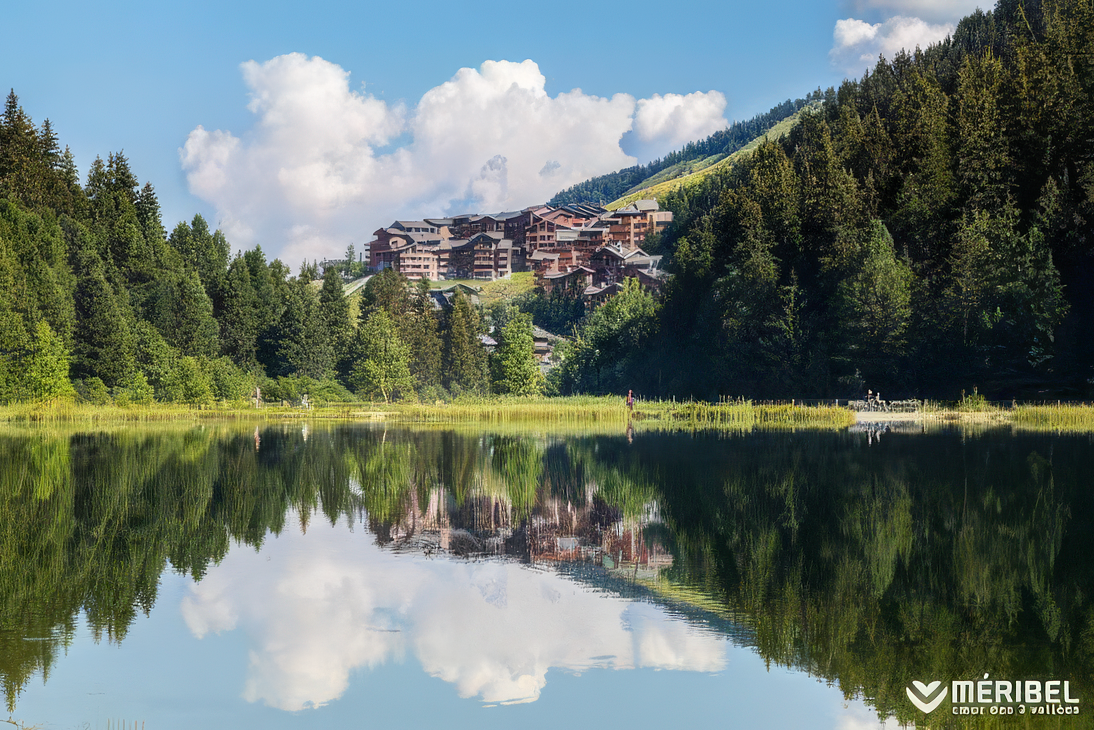
Méribel in summer swaps snow for trails, cycling, gastronomy, and wellness. A guide to discovering Les 3 Vallées from a different perspective.
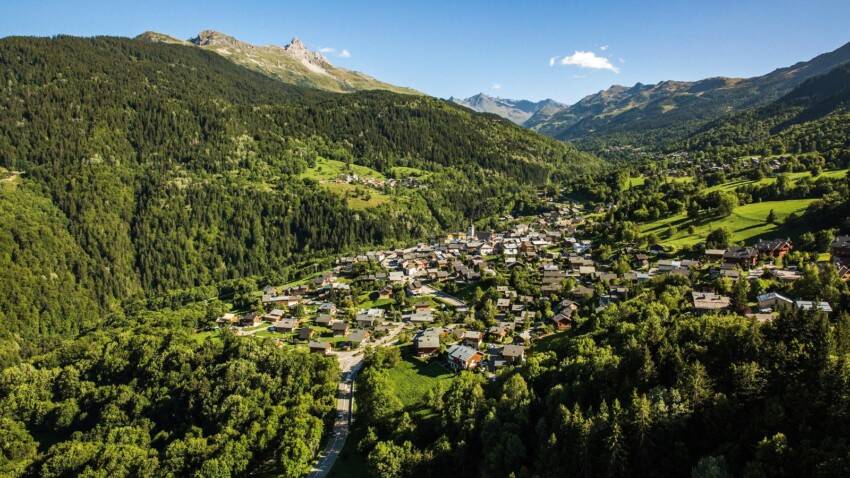
When the snow disappears, Méribel doesn't become empty: it changes its language. The chairlifts ascend again, but now they carry bicycles and hiking boots; the slopes lose their uniform white and meadows appear, along with the rock and wood of the chalets, darkened by years of sun and snow. The valley slows its pace. There are fewer people on the streets, terraces extend, and no one seems overly concerned with arriving anywhere before anyone else.
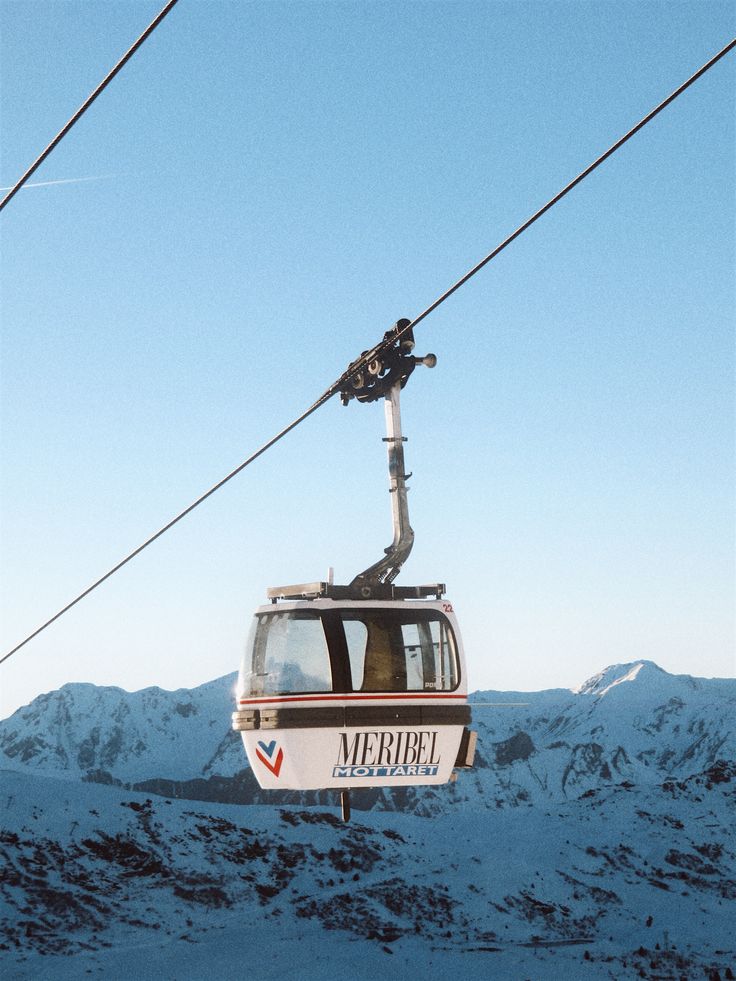
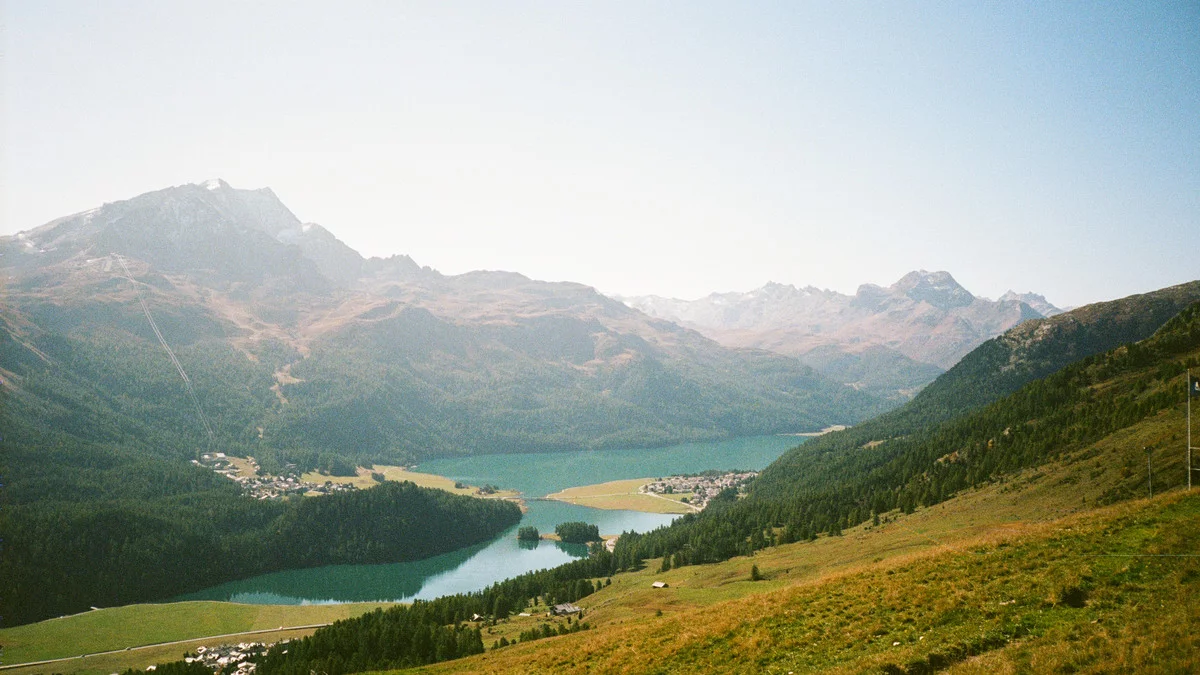
Méribel is part of Les 3 Vallées, the largest ski area in the world. In summer, this same geography is read differently: approximately 500 kilometers of marked trails cross forests, alpine pastures, and high mountain areas, with itineraries ranging from easy walks to multi-day ascents.
One of the most pleasant starting points is the Lac de Tueda, in the nature reserve of the same name. The route around the lake is simple and virtually flat, a good option for a first hike or for spending a few hours with children. From there, the terrain becomes progressively more demanding: trails towards the Col du Soufre and the glaciers of the Vanoise lead to a much more mineral landscape, where the valley gradually disappears beneath one's feet.
You can also swap boots for a bicycle. During the summer, part of the winter domain transforms into terrain for downhill, enduro, and cross-country cycling, while the Col de la Loze road offers one of the best-known ascents in the area for road cycling. The average gradient is around 10%, enough to remind you that the mountain doesn't get easier just because the sun is out.
For those who prefer to walk without turning every outing into a training session, Méribel has another virtue: there's no need to go too far. The trails surrounding the villages and the lake allow you to go from forest to meadow and from meadow to terrace in just a few hours. This scale is particularly enjoyable for families, when the goal isn't to complete a route but simply to spend the day outdoors.
After a morning in the mountains, the plan can be much less ambitious. The spa at Alpen Ruitor, in Méribel-Mottaret, features a sauna, hammam, jacuzzi, sensory shower, and treatments. For more independent stays, Méribel Village offers a different alternative: staying in a chalet and using the village as a base from which to explore the valley.
Chaudanne concentrates a good deal of the central area's life. Its hotel features an indoor pool, jacuzzi, sauna, hammam, and a NUXE Spa, while its terrace and dining areas serve as a meeting point as evening falls.
Food remains a significant part of the appeal, although in summer, dining outdoors is particularly inviting. In Méribel Village, La Terrasse du Village boasts a large terrace with mountain views and a regular schedule of live concerts. The cuisine combines local produce and Savoyard specialties with more informal dishes.
To end the day, Bar Le 80 is one of the most interesting addresses for those who prefer to stay out late. Its wine list is among the top 100 in France, and the atmosphere changes as the night progresses, with DJs and programming closer to après-ski than formal dining. La Taverne, however, maintains a more relaxed vibe and works well for a meal or a final drink on the terrace.
Perhaps that is the most interesting difference between Méribel in winter and Méribel in summer. In the former, the mountain sets the pace. In the latter, it leaves more room to choose one's own: walking aimlessly, cycling uphill, lingering by the lake, or extending dinner because there is still daylight.
You don't need snow to return to Méribel. You just need to accept that, for a few months, the mountain demands a different speed.