%20--%3e%3cdefs%3e%3cstyle%3e%20.st0%20{%20fill:%20%231d1d1b;%20}%20%3c/style%3e%3c/defs%3e%3cpath%20class='st0'%20d='M174.5,69.9c-2.1-4.9-5.6-10.7-10.4-17.3-4.9-6.6-11-13.3-18.2-20-8.3-8.3-17.9-14.7-28.8-19-10.9-4.4-21.9-6.6-33-6.6s-23.7,2.7-33,8.1c-6.4,4.4-11.6,10.3-15.1,17.7-3.7,7.3-5.4,15.2-5.4,23.6,0,32.9,22.7,53.8,68,62.6,35.6,7,60.4,17.4,74.7,31.3,14.2,13.9,20.5,32.9,18.7,57-1.3,25.5-10.7,44.2-28.2,56.3-17.4,12.2-38.5,18.4-62.8,18.7-20-.2-38.3-3-55.2-8.1-16.9-5.2-31.2-12.6-43.1-22.1l-1.1-67.7c7.2,22.8,19.5,42,36.8,57.6,17.2,15.6,36.3,25.6,57.3,29.9,7.6,1.6,14.8,2.3,21.8,2.3,17.1,0,31.1-4.2,42.2-12.7,11-8.4,16.6-21.2,16.6-38.3s-6.4-30.7-19.5-43c-13-12.3-36.5-22.2-70.4-29.8-29.3-6.4-49.3-16.2-60.1-29.3-10.8-13.1-15.9-29.1-15.3-48,.2-14,4.2-26.3,12-37.1s18.4-19.2,31.9-25.2c13.4-6.1,28.8-9.1,45.9-9.1s28.2,1.9,41,5.7c12.8,3.8,23.7,8.3,32.5,13.8l.8,49h-.3Z'/%3e%3cpath%20class='st0'%20d='M269.3,250c0,11.1,3.7,18.4,10.9,22,7.2,3.4,14,5.2,20.2,5.2h-90.2c6.2,0,12.9-1.8,20-5.2,7.1-3.4,10.7-10.8,10.7-22V32.1c0-11.1-3.4-18.4-10.4-22-7-3.4-13.8-5.2-20.2-5.2h90.2c-6.4,0-13.3,1.8-20.5,5.2s-10.7,10.8-10.7,22v217.7h0ZM403.9,236.7c8.8,11.4,17.7,20.5,26.7,27.2,8.9,6.8,16.8,11.2,23.6,13.6l-53.7-.8c-9.1-8.3-18.2-18.6-27.6-30.7l-73.1-94.9c-2.3-3.1-5.3-4.7-8.9-4.7-6,0-12.4,3.7-19.5,10.9l90.6-108.5c5.7-6.8,8.6-13.4,8.6-20.2s-2-11.1-6-15.3-9.2-6.9-15.8-8h80.5c-2.3,0-7.6,1.7-15.8,5-8.1,3.3-17.7,9.9-28.6,19.5-4.9,4.4-13.1,13.6-24.7,27.6-11.6,14-21.6,26.3-30.1,36.9l-6.2,7.8c-5.7,5.7-8.6,11.1-8.6,16.3s1.9,8.4,5.8,13.6l82.8,104.6v.2Z'/%3e%3cpath%20class='st0'%20d='M516.2,248.4c0,11.7,3.7,19.3,11.1,23.1,7.3,3.8,14.3,5.7,20.8,5.7h-91.4c6.4,0,13.3-1.9,20.6-5.7s10.9-11.4,10.9-23.1V33.7c0-11.9-3.7-19.7-10.9-23.3s-14.1-5.4-20.6-5.4h91.4c-6.4,0-13.4,1.8-20.8,5.4-7.3,3.7-11.1,11.4-11.1,23.3v214.6h0Z'/%3e%3cpath%20class='st0'%20d='M770.2,243.3c4.9,13,10.8,21.7,17.4,26.2,6.8,4.6,12.7,7.1,17.9,7.6h-88.2c6.8-.8,12.4-2.9,17.1-6.2s7-8.1,7-14.3-.8-7.6-2.3-11.7l-28.8-80.9h-91l-25.7,70c-2.9,7.2-4.2,13.6-4.2,19,0,14.6,9.7,22.6,29.1,24.1h-72.4c8.8-.6,16.9-4.7,24.3-12.4,7.3-7.8,13.8-18.9,19.2-33.5L678-3.2l1.1,3.4,91,243.1ZM658.7,59.8c-1.9,4.4-4.6,11-8,19.8l-29.6,80.5h87.5l-30.7-87.5c-2.9-7.8-5.2-13-7.2-15.6-1.9-2.6-3.8-3.9-5.7-3.9s-4.4,2.2-6.4,6.6h.1Z'/%3e%3cpath%20class='st0'%20d='M1008.6,243.3c4.9,13,10.8,21.7,17.4,26.2,6.8,4.6,12.7,7.1,17.9,7.6h-88.2c6.8-.8,12.4-2.9,17.1-6.2s7-8.1,7-14.3-.8-7.6-2.3-11.7l-28.8-80.9h-91l-25.7,70c-2.9,7.2-4.2,13.6-4.2,19,0,14.6,9.7,22.6,29.1,24.1h-72.4c8.8-.6,16.9-4.7,24.3-12.4,7.3-7.8,13.8-18.9,19.2-33.5L916.3-3.2l1.1,3.4,91,243.1h.1ZM897.1,59.8c-1.9,4.4-4.6,11-8,19.8l-29.6,80.5h87.5l-30.7-87.5c-2.9-7.8-5.2-13-7.2-15.6-1.9-2.6-3.8-3.9-5.7-3.9s-4.4,2.2-6.4,6.6h.1Z'/%3e%3cpath%20class='st0'%20d='M1241.1,244.5c4.9,8.6,11,15.6,18.1,21s14.1,9.3,20.8,11.7h-47.8c-8-8-16.9-20.8-26.5-38.1l-37.3-63c-7.6-12.7-15.7-21-24.3-24.9s-19.6-5.8-32.5-5.8h-12.4v107.7c0,9.9,3.3,16.3,9.9,19.5s12.9,4.7,18.9,4.7h-87.9c6.4,0,13.2-1.8,20.2-5.2s10.4-10.8,10.4-22V32.1c0-11.1-3.6-18.4-10.7-22-7.1-3.4-13.8-5.2-20-5.2,10.3,0,25.5-.2,45.1-.8l37.7-.3c29,0,51.5,2.1,67.2,6.4,15.8,4.2,27.5,12.9,35,25.9,6.2,9.9,9.3,21.9,9.3,36.1s-2.4,22.2-7.3,32.5c-4.9,10.2-11.7,18.4-20.2,24.7-5.4,3.9-11.7,7.2-18.7,9.9s-13.4,4.3-19.5,4.9c4.7,1.3,9.6,4.2,14.8,8.9,5.2,4.7,11.1,13,17.9,24.9l39.7,66.5h0ZM1187.6,120.5c12.3-12.2,18.4-28.1,18.4-47.8s-7.4-42-22.3-51.6c-14.9-9.4-36.7-14.2-65.1-14.2s-15,.1-19.5.3v134.1c9.3,0,21.6-.2,36.6-.8,22.3-1.3,39.6-8,51.9-20.2h0Z'/%3e%3c/svg%3e)

FIS refuerza los protocolos de seguridad tras el fallecimiento de Matteo Franzoso /* Estilos en línea para compatibilidad con clientes de correo */ body { margin: 0; padding: 0; min-width: 100%; background-color: #ffffff; font-family: sans-serif; } table { border-spacing: 0; } td { padding: 0; } img { max-width: 100%; height: auto; display: block; border: 0; outline: none; text-decoration: none; } .wrapper { width: 100%; table-layout: fixed; -webkit-text-size-adjust: 100%; -ms-text-size-adjust: 100%; } .webkit { max-width: 600px; margin: 0 auto; } .outer { margin: 0 auto; width: 100%; max-width: 600px; } .full-width-image { width: 100%; height: auto; } .content-table { width: 100%; } .content-cell { padding: 20px 30px; } .header { background-color: #333333; padding: 20px 0; text-align: center; } .header h1 { color: #ffffff; margin: 0; font-size: 24px; } .hero-image { width: 100%; } .text-content h2 { color: #333333; font-size: 22px; line-height: 28px; margin-top: 0; } .text-content p { color: #666666; font-size: 16px; line-height: 24px; margin-bottom: 20px; } .button { background-color: #007bff; color: #ffffff; padding: 12px 24px; text-decoration: none; border-radius: 5px; display: inline-block; } .footer { background-color: #f2f2f2; padding: 20px 30px; text-align: center; } .footer p { color: #999999; font-size: 14px; margin: 0; } @media screen and (max-width: 480px) { .content-cell { padding: 15px 20px; } .text-content h2 { font-size: 20px; line-height: 26px; } .text-content p { font-size: 15px; line-height: 22px; } } SKIAAR Magazine FIS reinforces safety protocols after Matteo Franzoso's passing The International Ski and Snowboard Federation (FIS) has announced a reinforcement of its safety protocols following the passing of Italian skier Matteo Franzoso. This measure seeks to prevent future accidents and ensure the integrity of the athletes during major competitions. Franzoso, a promising athlete in alpine skiing, lost his life last season due to a serious accident during a training session. His passing has deeply affected the international skiing community and has highlighted the need to review and improve existing safety measures. Key Measures to be Implemented: Redesign of Race Courses: The FIS will conduct a thorough review of all race courses, focusing on critical sections and high-speed turns. Experienced safety experts will be involved in this redesign to identify and mitigate potential risks. Mandatory Safety Equipment: Stricter regulations will be established regarding mandatory safety equipment, including helmets, back protectors, and specialized clothing. Regular inspections will be carried out to ensure compliance with these standards. Improved Medical Response: Medical services at competitions will be enhanced with a greater number of specialized personnel and advanced equipment. Protocols for rapid evacuation and emergency care will be updated and strengthened. Athlete Training and Education: Programs for athlete training and education on safety practices will be reinforced, emphasizing risk awareness and accident prevention. These new measures will be implemented progressively in all FIS competitions, starting with the upcoming World Cup season. The federation has stated its commitment to working closely with national federations, teams, and athletes to ensure effective implementation and promote a safer competitive environment for everyone. The passing of Matteo Franzoso serves as a painful reminder of the inherent risks in high-performance sports and the constant need to prioritize athlete safety above all else. The international skiing community hopes that these measures will contribute to preventing future tragedies and protecting the lives of athletes striving to achieve their dreams on the slopes. Read more news © 2024 SKIAAR Magazine. All rights reserved. skiaar.com
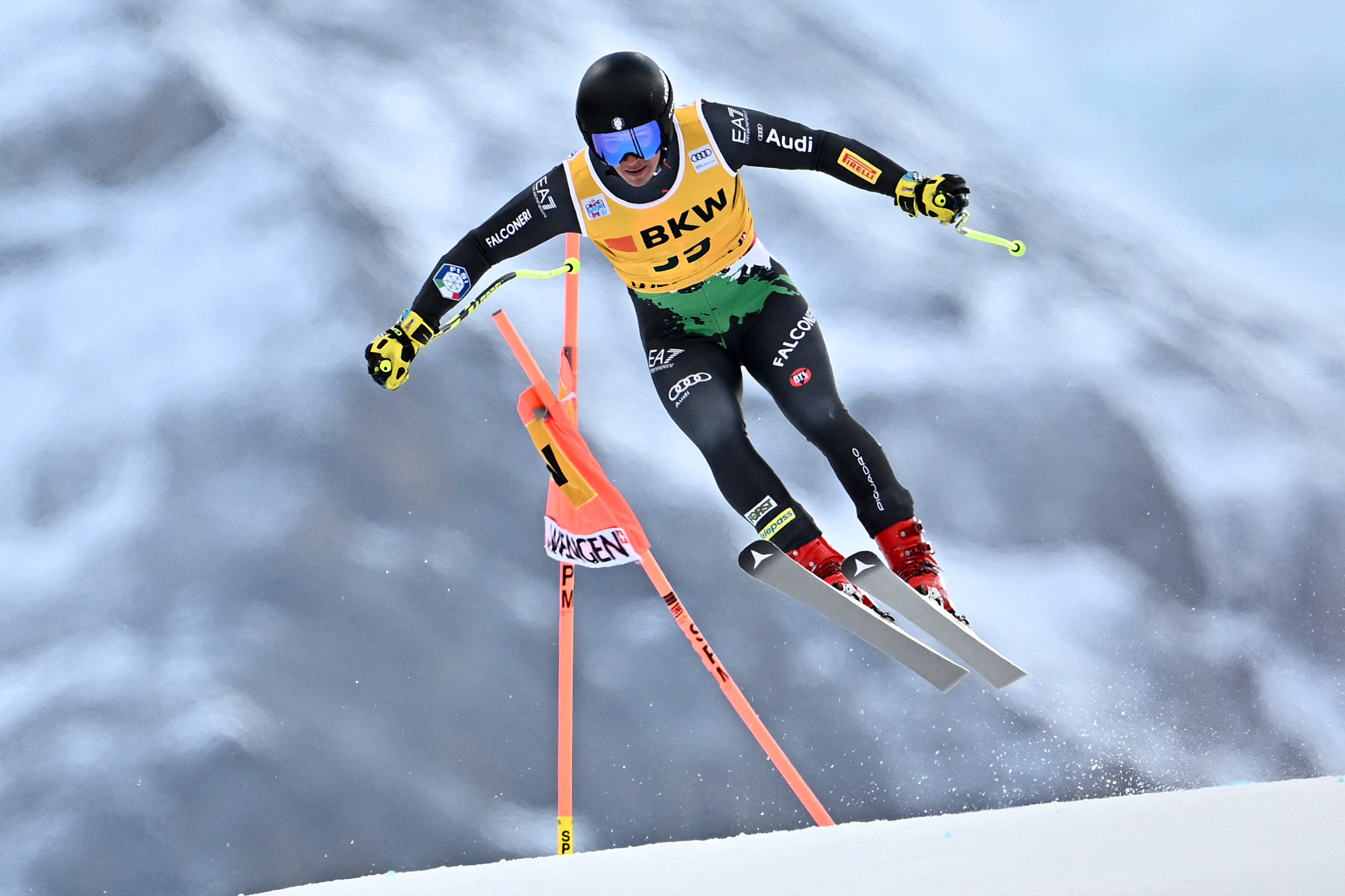
The death of Italian skier Matteo Franzoso, which occurred on September 19 during a downhill training session in Chile, has shocked the alpine skiing community and compelled the International Ski and Snowboard Federation (FIS) to take decisive action.
Franzoso, 25, died after a fall during a speed training session. His death adds to three other fatal accidents recorded in recent months, intensifying concerns about safety conditions in training, an area historically less regulated than official competitions.
The FIS will implement a mandatory homologation system for training slopes, which must meet the same safety and quality standards as those used in official competitions.
At its meeting on October 21, the FIS Council approved a set of urgent measures aimed at strengthening safety in speed skiing. Key decisions include:
- A global audit of all homologated downhill courses, which must comply with new safety standards by May 2026.
- Mandatory use of airbags and reinforced protections during speed training, thus extending protective measures beyond competitions.
- Review of safety guidelines for organizers and technical teams, with special attention to risk prevention during training sessions.
- Implementation of safety training programs for coaches, athletes, and national team managers, aiming to consolidate a comprehensive safety culture at all levels of the discipline.
In addition, international protocols will be established for snow preparation and course protection, minimizing risks in high-speed disciplines.
Training will be another fundamental pillar: safety training for technicians, coaches, and piste personnel will be enhanced, complemented by educational campaigns for athletes themselves. Furthermore, all national federations will be required to adapt their safety equipment—including helmets, bindings, and protective netting—to unified standards.
With this set of measures, the FIS seeks to create a global protection framework covering everything from grassroots sports to World Cups, ensuring greater uniformity, control, and safety across all facilities.