%20--%3e%3cdefs%3e%3cstyle%3e%20.st0%20{%20fill:%20%231d1d1b;%20}%20%3c/style%3e%3c/defs%3e%3cpath%20class='st0'%20d='M174.5,69.9c-2.1-4.9-5.6-10.7-10.4-17.3-4.9-6.6-11-13.3-18.2-20-8.3-8.3-17.9-14.7-28.8-19-10.9-4.4-21.9-6.6-33-6.6s-23.7,2.7-33,8.1c-6.4,4.4-11.6,10.3-15.1,17.7-3.7,7.3-5.4,15.2-5.4,23.6,0,32.9,22.7,53.8,68,62.6,35.6,7,60.4,17.4,74.7,31.3,14.2,13.9,20.5,32.9,18.7,57-1.3,25.5-10.7,44.2-28.2,56.3-17.4,12.2-38.5,18.4-62.8,18.7-20-.2-38.3-3-55.2-8.1-16.9-5.2-31.2-12.6-43.1-22.1l-1.1-67.7c7.2,22.8,19.5,42,36.8,57.6,17.2,15.6,36.3,25.6,57.3,29.9,7.6,1.6,14.8,2.3,21.8,2.3,17.1,0,31.1-4.2,42.2-12.7,11-8.4,16.6-21.2,16.6-38.3s-6.4-30.7-19.5-43c-13-12.3-36.5-22.2-70.4-29.8-29.3-6.4-49.3-16.2-60.1-29.3-10.8-13.1-15.9-29.1-15.3-48,.2-14,4.2-26.3,12-37.1s18.4-19.2,31.9-25.2c13.4-6.1,28.8-9.1,45.9-9.1s28.2,1.9,41,5.7c12.8,3.8,23.7,8.3,32.5,13.8l.8,49h-.3Z'/%3e%3cpath%20class='st0'%20d='M269.3,250c0,11.1,3.7,18.4,10.9,22,7.2,3.4,14,5.2,20.2,5.2h-90.2c6.2,0,12.9-1.8,20-5.2,7.1-3.4,10.7-10.8,10.7-22V32.1c0-11.1-3.4-18.4-10.4-22-7-3.4-13.8-5.2-20.2-5.2h90.2c-6.4,0-13.3,1.8-20.5,5.2s-10.7,10.8-10.7,22v217.7h0ZM403.9,236.7c8.8,11.4,17.7,20.5,26.7,27.2,8.9,6.8,16.8,11.2,23.6,13.6l-53.7-.8c-9.1-8.3-18.2-18.6-27.6-30.7l-73.1-94.9c-2.3-3.1-5.3-4.7-8.9-4.7-6,0-12.4,3.7-19.5,10.9l90.6-108.5c5.7-6.8,8.6-13.4,8.6-20.2s-2-11.1-6-15.3-9.2-6.9-15.8-8h80.5c-2.3,0-7.6,1.7-15.8,5-8.1,3.3-17.7,9.9-28.6,19.5-4.9,4.4-13.1,13.6-24.7,27.6-11.6,14-21.6,26.3-30.1,36.9l-6.2,7.8c-5.7,5.7-8.6,11.1-8.6,16.3s1.9,8.4,5.8,13.6l82.8,104.6v.2Z'/%3e%3cpath%20class='st0'%20d='M516.2,248.4c0,11.7,3.7,19.3,11.1,23.1,7.3,3.8,14.3,5.7,20.8,5.7h-91.4c6.4,0,13.3-1.9,20.6-5.7s10.9-11.4,10.9-23.1V33.7c0-11.9-3.7-19.7-10.9-23.3s-14.1-5.4-20.6-5.4h91.4c-6.4,0-13.4,1.8-20.8,5.4-7.3,3.7-11.1,11.4-11.1,23.3v214.6h0Z'/%3e%3cpath%20class='st0'%20d='M770.2,243.3c4.9,13,10.8,21.7,17.4,26.2,6.8,4.6,12.7,7.1,17.9,7.6h-88.2c6.8-.8,12.4-2.9,17.1-6.2s7-8.1,7-14.3-.8-7.6-2.3-11.7l-28.8-80.9h-91l-25.7,70c-2.9,7.2-4.2,13.6-4.2,19,0,14.6,9.7,22.6,29.1,24.1h-72.4c8.8-.6,16.9-4.7,24.3-12.4,7.3-7.8,13.8-18.9,19.2-33.5L678-3.2l1.1,3.4,91,243.1ZM658.7,59.8c-1.9,4.4-4.6,11-8,19.8l-29.6,80.5h87.5l-30.7-87.5c-2.9-7.8-5.2-13-7.2-15.6-1.9-2.6-3.8-3.9-5.7-3.9s-4.4,2.2-6.4,6.6h.1Z'/%3e%3cpath%20class='st0'%20d='M1008.6,243.3c4.9,13,10.8,21.7,17.4,26.2,6.8,4.6,12.7,7.1,17.9,7.6h-88.2c6.8-.8,12.4-2.9,17.1-6.2s7-8.1,7-14.3-.8-7.6-2.3-11.7l-28.8-80.9h-91l-25.7,70c-2.9,7.2-4.2,13.6-4.2,19,0,14.6,9.7,22.6,29.1,24.1h-72.4c8.8-.6,16.9-4.7,24.3-12.4,7.3-7.8,13.8-18.9,19.2-33.5L916.3-3.2l1.1,3.4,91,243.1h.1ZM897.1,59.8c-1.9,4.4-4.6,11-8,19.8l-29.6,80.5h87.5l-30.7-87.5c-2.9-7.8-5.2-13-7.2-15.6-1.9-2.6-3.8-3.9-5.7-3.9s-4.4,2.2-6.4,6.6h.1Z'/%3e%3cpath%20class='st0'%20d='M1241.1,244.5c4.9,8.6,11,15.6,18.1,21s14.1,9.3,20.8,11.7h-47.8c-8-8-16.9-20.8-26.5-38.1l-37.3-63c-7.6-12.7-15.7-21-24.3-24.9s-19.6-5.8-32.5-5.8h-12.4v107.7c0,9.9,3.3,16.3,9.9,19.5s12.9,4.7,18.9,4.7h-87.9c6.4,0,13.2-1.8,20.2-5.2s10.4-10.8,10.4-22V32.1c0-11.1-3.6-18.4-10.7-22-7.1-3.4-13.8-5.2-20-5.2,10.3,0,25.5-.2,45.1-.8l37.7-.3c29,0,51.5,2.1,67.2,6.4,15.8,4.2,27.5,12.9,35,25.9,6.2,9.9,9.3,21.9,9.3,36.1s-2.4,22.2-7.3,32.5c-4.9,10.2-11.7,18.4-20.2,24.7-5.4,3.9-11.7,7.2-18.7,9.9s-13.4,4.3-19.5,4.9c4.7,1.3,9.6,4.2,14.8,8.9,5.2,4.7,11.1,13,17.9,24.9l39.7,66.5h0ZM1187.6,120.5c12.3-12.2,18.4-28.1,18.4-47.8s-7.4-42-22.3-51.6c-14.9-9.4-36.7-14.2-65.1-14.2s-15,.1-19.5.3v134.1c9.3,0,21.6-.2,36.6-.8,22.3-1.3,39.6-8,51.9-20.2h0Z'/%3e%3c/svg%3e)
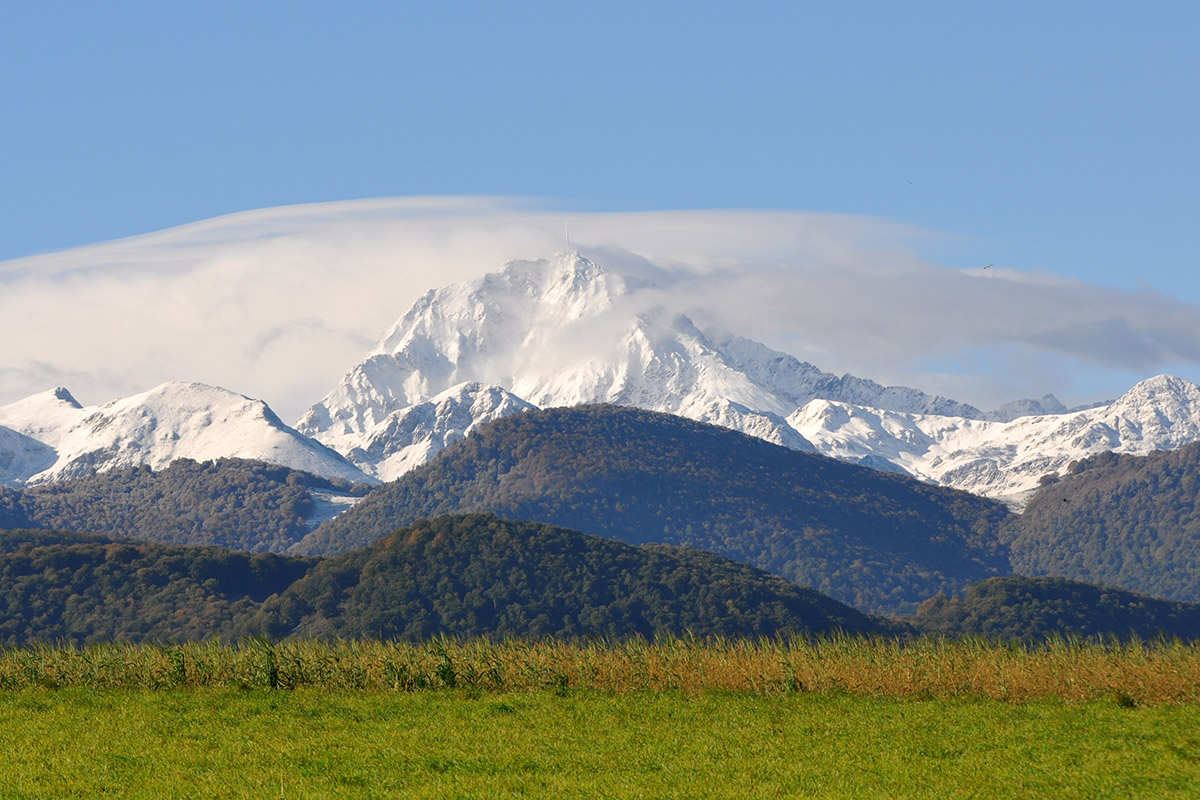
Cathar castles, centuries-old thermal baths, and hospitality that opts for noble isolation over the noise of mass tourism.
While much of European alpine tourism grapples with massification and homogenization, this natural border between two countries builds, valley by valley, its own identity: old stone, thermal water, local cuisine, and a new generation of refuges that understand luxury as silence rather than spectacle.
This is not an isolated endeavor. It's a 360-degree destination architecture; hotels, heritage, gastronomy, and wellness, conceived for a traveler seeking something different.
France's Highest Hotel
At 2,620 meters, in the Pic du Midi de Bigorre massif, L’Hôtellerie des Laquets occupies a building that had been abandoned for three decades. Originally erected between 1930 and 1933, it has been renovated with an investment of 11 million euros and an intervention by the Toulouse-based studio 360°, which preserved the original curved roof and added a wing with Nordic lines.
Access is resolved with a private cable car from the Pic du Midi observatory, deliberately designed without intermediate pylons to avoid interrupting the landscape. Sixteen rooms, a maximum of thirty-two guests, winds up to 200 km/h, and a gastronomic table led by two chefs. It's a project that prioritizes isolation and sky observation over the traditional concept of urban luxury transplanted to the mountains, and that's precisely why it works: it imitates nothing, competes with nothing.
Refuges with Soul
Old manor houses, 19th-century thermal resorts, and bioclimatic chalets coexist under a shared sensibility: integration into the landscape over built volume.
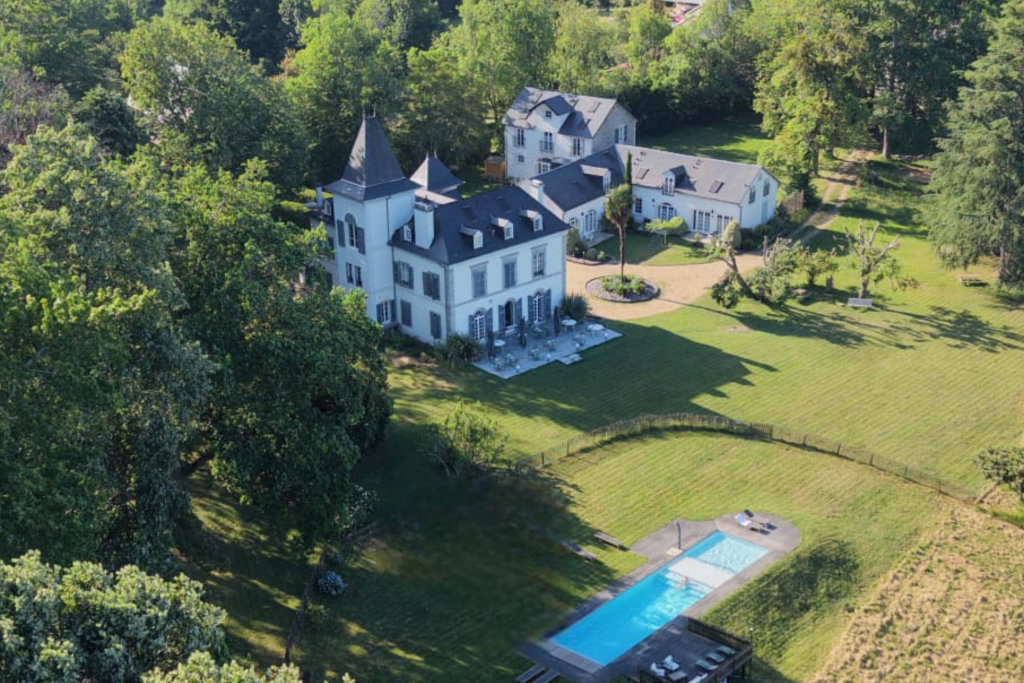
In Vernet-les-Bains, a thermal village at the foot of the Canigó, the Domaine Mont Riant Canigou offers the discretion of a period residence surrounded by wooded parkland. Nearby, the Château de Riell, a 19th-century Relais & Châteaux property, combines historic suites with a Romanesque-inspired spa and a menu paired with Roussillon wines.
Towards Bearn, Le Clos Mirabel, an 18th-century country house set on six hectares facing the peaks of Pau, becomes a natural starting point for the Jurançon vineyards. And in Bareges, a stone's throw from the Tourmalet, Le Chalet Secret extends the concept of private eco-luxury to the suite: cedar sauna and panoramic jacuzzi without leaving the room.
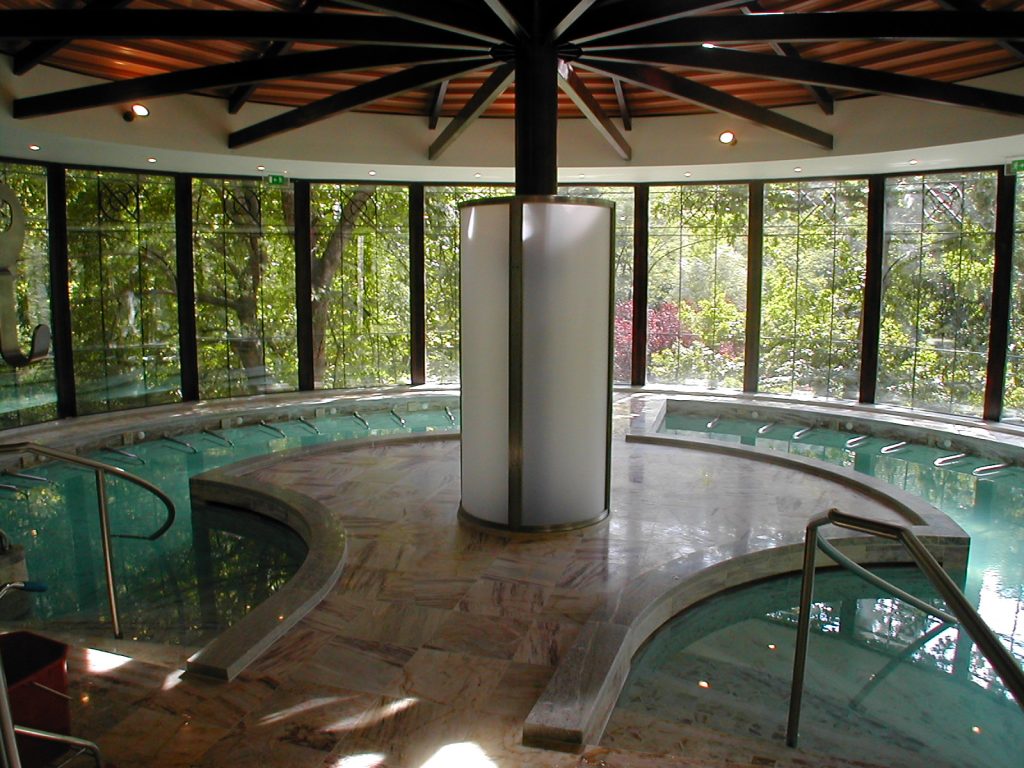
Water, meanwhile, has its own chapter. Balnéa and Les Bains de Llo revive the region's thermal tradition with outdoor rock-carved pools and thematic baths—Roman, Inca, Japanese—facing peaks over 3,000 meters high.
Territory with Memory
What distinguishes the French Pyrenees from other mountain destinations is that luxury here is not built from scratch: it is inherited, it has history. It transmits a legacy.
The Cathar Castles Route: Montségur, Peyrepertuse, Quéribus—fortresses erected as eagle's nests—allows for the design of private itineraries, with local historians and transfers by helicopter or high-end vehicle, transforming the stay into a narrative about the medieval memory of the mountain range.
The stone and slate villages dotting the valleys, with their artisan workshops and local produce markets, complete a type of tourism that does not separate rest from culture, but rather fuses them into a single experience.
The Table as a Pillar
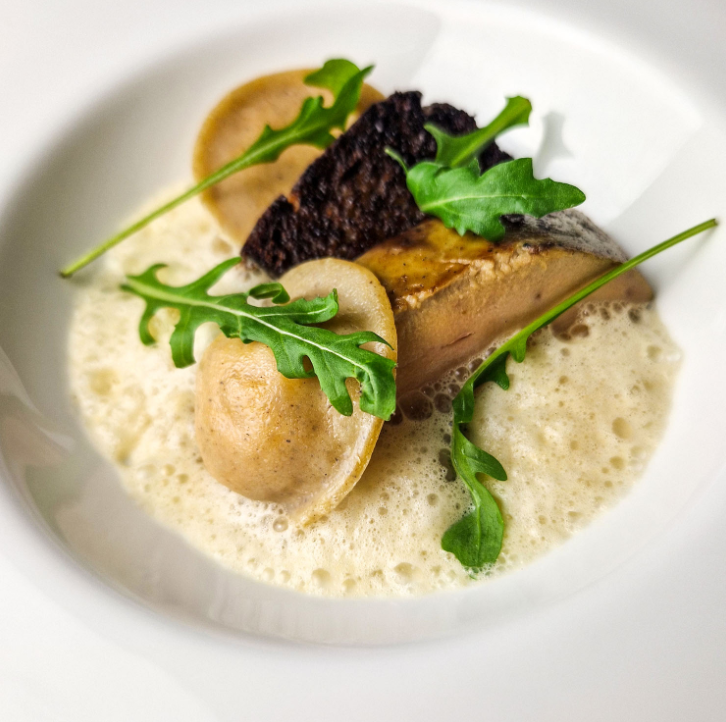
The cuisine of the new Pyrenean hotels seeks to impress not through technique, but through origin. Porc Noir de Bigorre (PDO), pasture-raised lamb, meltwater trout, and high-mountain farm cheeses form a recipe book that wine lists accompany with precision: dry white Jurançon, structured red Irouléguy, and the great labels of Languedoc-Roussillon.
A Destination That Chooses Its Own Pace
The French Pyrenees do not compete to be the largest or most visible. They compete to be the most coherent: living heritage, centuries-old thermal waters, architecture that respects the terrain, and hospitality that understands that true luxury, at altitude, begins by knowing when to be silent.
SKIAAR — Alpine Editorial