%20--%3e%3cdefs%3e%3cstyle%3e%20.st0%20{%20fill:%20%231d1d1b;%20}%20%3c/style%3e%3c/defs%3e%3cpath%20class='st0'%20d='M174.5,69.9c-2.1-4.9-5.6-10.7-10.4-17.3-4.9-6.6-11-13.3-18.2-20-8.3-8.3-17.9-14.7-28.8-19-10.9-4.4-21.9-6.6-33-6.6s-23.7,2.7-33,8.1c-6.4,4.4-11.6,10.3-15.1,17.7-3.7,7.3-5.4,15.2-5.4,23.6,0,32.9,22.7,53.8,68,62.6,35.6,7,60.4,17.4,74.7,31.3,14.2,13.9,20.5,32.9,18.7,57-1.3,25.5-10.7,44.2-28.2,56.3-17.4,12.2-38.5,18.4-62.8,18.7-20-.2-38.3-3-55.2-8.1-16.9-5.2-31.2-12.6-43.1-22.1l-1.1-67.7c7.2,22.8,19.5,42,36.8,57.6,17.2,15.6,36.3,25.6,57.3,29.9,7.6,1.6,14.8,2.3,21.8,2.3,17.1,0,31.1-4.2,42.2-12.7,11-8.4,16.6-21.2,16.6-38.3s-6.4-30.7-19.5-43c-13-12.3-36.5-22.2-70.4-29.8-29.3-6.4-49.3-16.2-60.1-29.3-10.8-13.1-15.9-29.1-15.3-48,.2-14,4.2-26.3,12-37.1s18.4-19.2,31.9-25.2c13.4-6.1,28.8-9.1,45.9-9.1s28.2,1.9,41,5.7c12.8,3.8,23.7,8.3,32.5,13.8l.8,49h-.3Z'/%3e%3cpath%20class='st0'%20d='M269.3,250c0,11.1,3.7,18.4,10.9,22,7.2,3.4,14,5.2,20.2,5.2h-90.2c6.2,0,12.9-1.8,20-5.2,7.1-3.4,10.7-10.8,10.7-22V32.1c0-11.1-3.4-18.4-10.4-22-7-3.4-13.8-5.2-20.2-5.2h90.2c-6.4,0-13.3,1.8-20.5,5.2s-10.7,10.8-10.7,22v217.7h0ZM403.9,236.7c8.8,11.4,17.7,20.5,26.7,27.2,8.9,6.8,16.8,11.2,23.6,13.6l-53.7-.8c-9.1-8.3-18.2-18.6-27.6-30.7l-73.1-94.9c-2.3-3.1-5.3-4.7-8.9-4.7-6,0-12.4,3.7-19.5,10.9l90.6-108.5c5.7-6.8,8.6-13.4,8.6-20.2s-2-11.1-6-15.3-9.2-6.9-15.8-8h80.5c-2.3,0-7.6,1.7-15.8,5-8.1,3.3-17.7,9.9-28.6,19.5-4.9,4.4-13.1,13.6-24.7,27.6-11.6,14-21.6,26.3-30.1,36.9l-6.2,7.8c-5.7,5.7-8.6,11.1-8.6,16.3s1.9,8.4,5.8,13.6l82.8,104.6v.2Z'/%3e%3cpath%20class='st0'%20d='M516.2,248.4c0,11.7,3.7,19.3,11.1,23.1,7.3,3.8,14.3,5.7,20.8,5.7h-91.4c6.4,0,13.3-1.9,20.6-5.7s10.9-11.4,10.9-23.1V33.7c0-11.9-3.7-19.7-10.9-23.3s-14.1-5.4-20.6-5.4h91.4c-6.4,0-13.4,1.8-20.8,5.4-7.3,3.7-11.1,11.4-11.1,23.3v214.6h0Z'/%3e%3cpath%20class='st0'%20d='M770.2,243.3c4.9,13,10.8,21.7,17.4,26.2,6.8,4.6,12.7,7.1,17.9,7.6h-88.2c6.8-.8,12.4-2.9,17.1-6.2s7-8.1,7-14.3-.8-7.6-2.3-11.7l-28.8-80.9h-91l-25.7,70c-2.9,7.2-4.2,13.6-4.2,19,0,14.6,9.7,22.6,29.1,24.1h-72.4c8.8-.6,16.9-4.7,24.3-12.4,7.3-7.8,13.8-18.9,19.2-33.5L678-3.2l1.1,3.4,91,243.1ZM658.7,59.8c-1.9,4.4-4.6,11-8,19.8l-29.6,80.5h87.5l-30.7-87.5c-2.9-7.8-5.2-13-7.2-15.6-1.9-2.6-3.8-3.9-5.7-3.9s-4.4,2.2-6.4,6.6h.1Z'/%3e%3cpath%20class='st0'%20d='M1008.6,243.3c4.9,13,10.8,21.7,17.4,26.2,6.8,4.6,12.7,7.1,17.9,7.6h-88.2c6.8-.8,12.4-2.9,17.1-6.2s7-8.1,7-14.3-.8-7.6-2.3-11.7l-28.8-80.9h-91l-25.7,70c-2.9,7.2-4.2,13.6-4.2,19,0,14.6,9.7,22.6,29.1,24.1h-72.4c8.8-.6,16.9-4.7,24.3-12.4,7.3-7.8,13.8-18.9,19.2-33.5L916.3-3.2l1.1,3.4,91,243.1h.1ZM897.1,59.8c-1.9,4.4-4.6,11-8,19.8l-29.6,80.5h87.5l-30.7-87.5c-2.9-7.8-5.2-13-7.2-15.6-1.9-2.6-3.8-3.9-5.7-3.9s-4.4,2.2-6.4,6.6h.1Z'/%3e%3cpath%20class='st0'%20d='M1241.1,244.5c4.9,8.6,11,15.6,18.1,21s14.1,9.3,20.8,11.7h-47.8c-8-8-16.9-20.8-26.5-38.1l-37.3-63c-7.6-12.7-15.7-21-24.3-24.9s-19.6-5.8-32.5-5.8h-12.4v107.7c0,9.9,3.3,16.3,9.9,19.5s12.9,4.7,18.9,4.7h-87.9c6.4,0,13.2-1.8,20.2-5.2s10.4-10.8,10.4-22V32.1c0-11.1-3.6-18.4-10.7-22-7.1-3.4-13.8-5.2-20-5.2,10.3,0,25.5-.2,45.1-.8l37.7-.3c29,0,51.5,2.1,67.2,6.4,15.8,4.2,27.5,12.9,35,25.9,6.2,9.9,9.3,21.9,9.3,36.1s-2.4,22.2-7.3,32.5c-4.9,10.2-11.7,18.4-20.2,24.7-5.4,3.9-11.7,7.2-18.7,9.9s-13.4,4.3-19.5,4.9c4.7,1.3,9.6,4.2,14.8,8.9,5.2,4.7,11.1,13,17.9,24.9l39.7,66.5h0ZM1187.6,120.5c12.3-12.2,18.4-28.1,18.4-47.8s-7.4-42-22.3-51.6c-14.9-9.4-36.7-14.2-65.1-14.2s-15,.1-19.5.3v134.1c9.3,0,21.6-.2,36.6-.8,22.3-1.3,39.6-8,51.9-20.2h0Z'/%3e%3c/svg%3e)
Before there was “quiet luxury,” Alpine moodboards on Pinterest, or skiwear campaigns transformed…
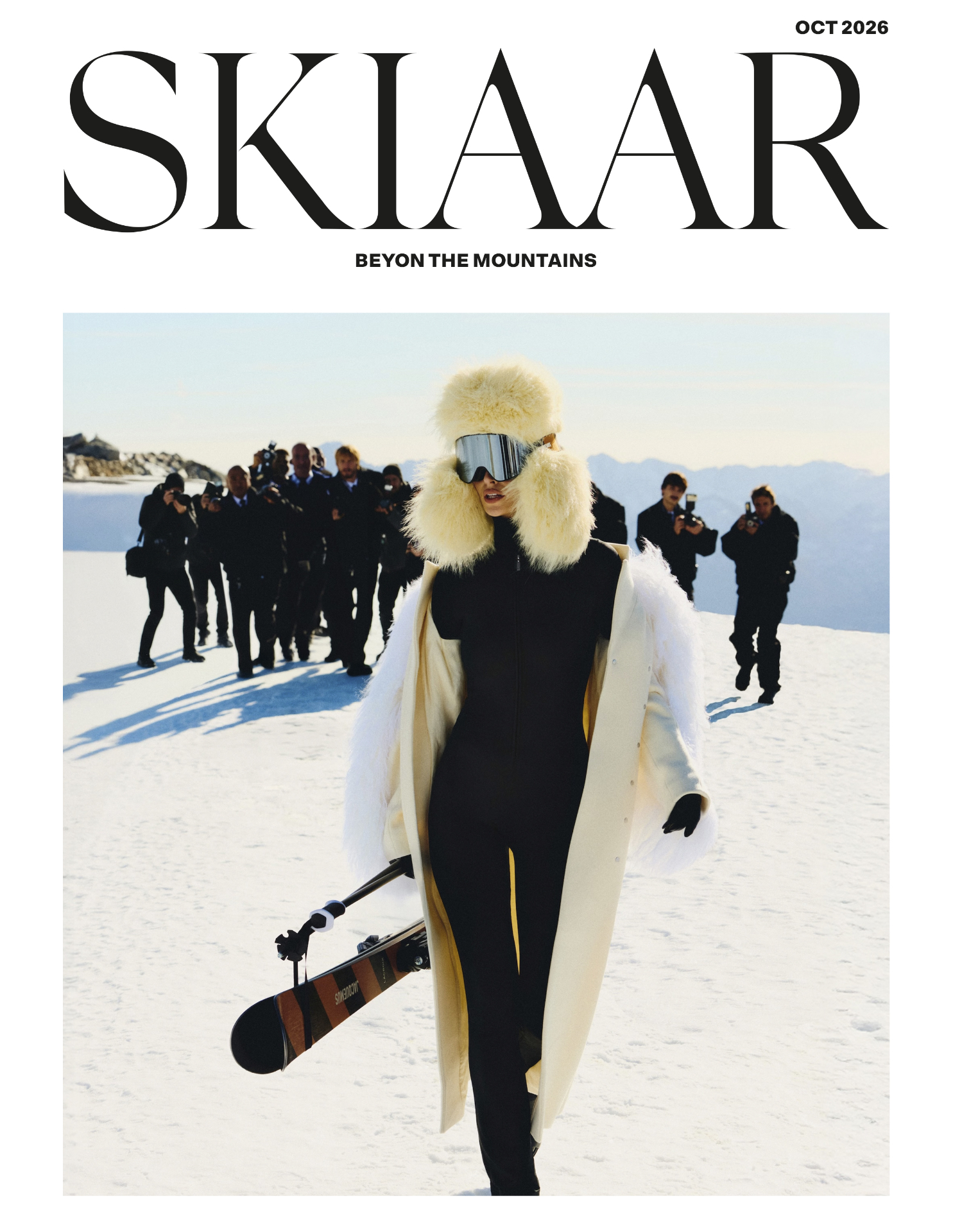
Before “quiet luxury” existed, before alpine mood boards on Pinterest, or skiwear campaigns transformed into cinematic editorials, snow had already found its place within the luxury imagination.
It didn't happen overnight. It was a slow construction. Visual. Cultural. Almost accidental.
First, European aristocrats arrived seeking pure air and altitude. Then came the grand alpine hotels, erected like palaces amidst the mountains. Later, Hollywood, royalty, and the fashion industry solidified ski resorts into scenes of international desire.
And since then, the mountain was never solely just a mountain again.
Today, even out of season, the alpine universe continues to function as one of the most powerful aesthetic languages in contemporary visual culture. Snow sells. Après-ski sells. References to St. Moritz, Aspen, or Courchevel still evoke an almost perfect blend of exclusivity, nostalgia, sport, sophistication, and escapism.
Because alpine luxury was never just about skiing.
The Birth of Alpine Glamour
During much of the 20th century, European ski resorts began transforming into havens for international elites. What were once small mountain villages eventually became meeting points for aristocrats, entrepreneurs, artists, and film stars.
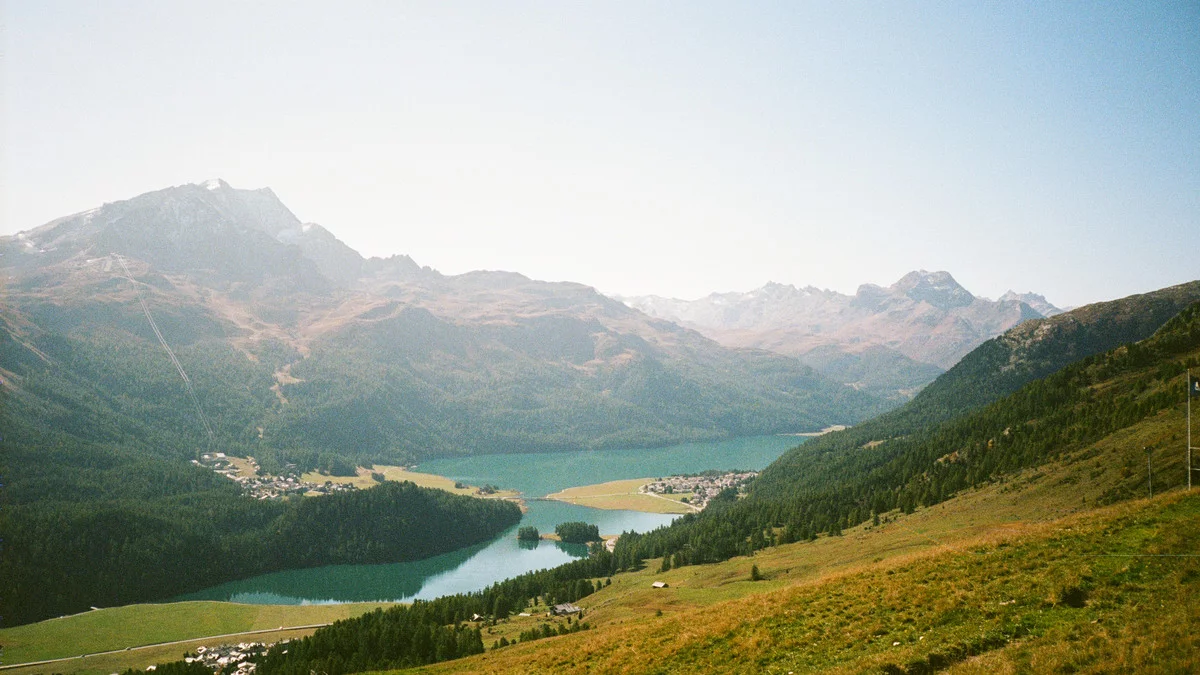
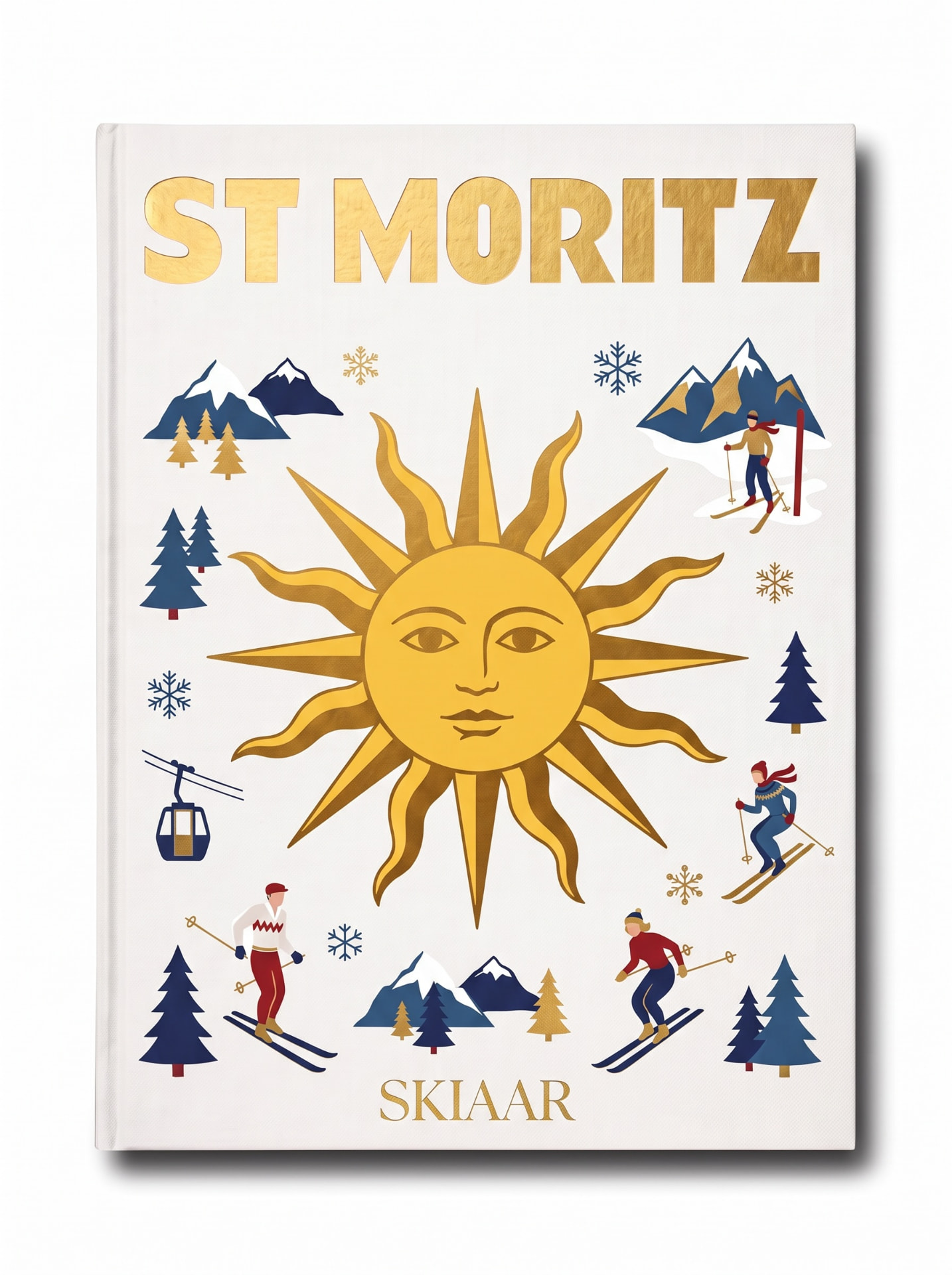
St. Moritz was probably the most emblematic case. Located in the Engadine valley and surrounded by frozen lakes and historic hotels, the Swiss resort understood before anyone else that alpine luxury wasn't just about the slopes. It was about the atmosphere.
Sport and social life coexisted there, furs and hot chocolate, formal dinners and fresh snow. Days began on chairlifts and ended amidst crystal chandeliers, roaring fireplaces, and champagne flutes.
The arrival of figures like Audrey Hepburn helped immortalize this aesthetic. Photographs of the actress strolling through the snow in slim-fit trousers, winter boots, and oversized sunglasses still define much of today's après-ski imagery. They didn't look like holiday snapshots: they looked like stills from an elegant film everyone wanted to inhabit.
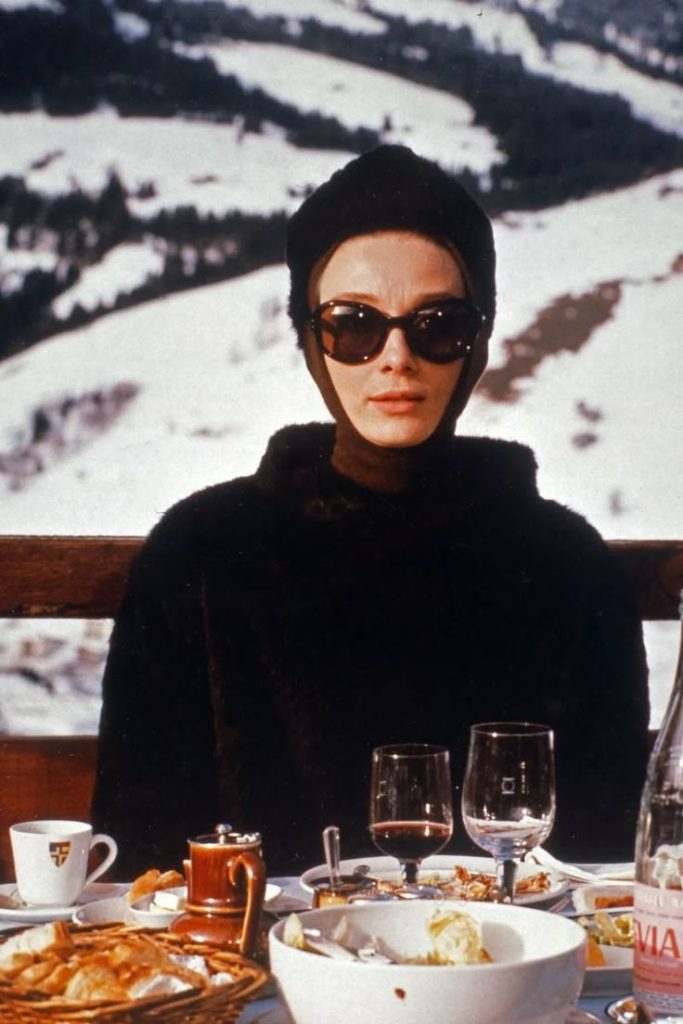
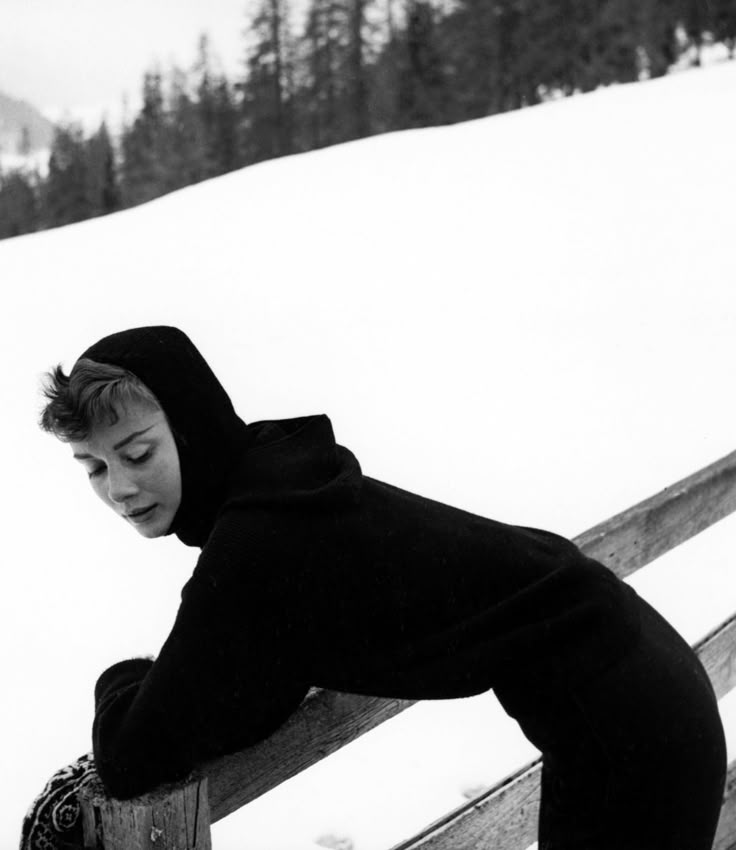

Other prominent names in European luxury, such as Brigitte Bardot, Alfred Hitchcock, and Norman Foster, orbited around her, solidifying St. Moritz as much more than just a winter destination. It was a cultural statement.

The Mountain as a Style Stage
While the Mediterranean represented summer glamour, the Alps began to build winter's own.
The difference is that alpine luxury was always more contained. More subtle and exclusive. Less ostentatious.
In Gstaad, for instance, the appeal lay precisely in discretion. Impeccable chalets hidden among mountains, understated luxury boutiques, and an international clientele who preferred not to draw too much attention.
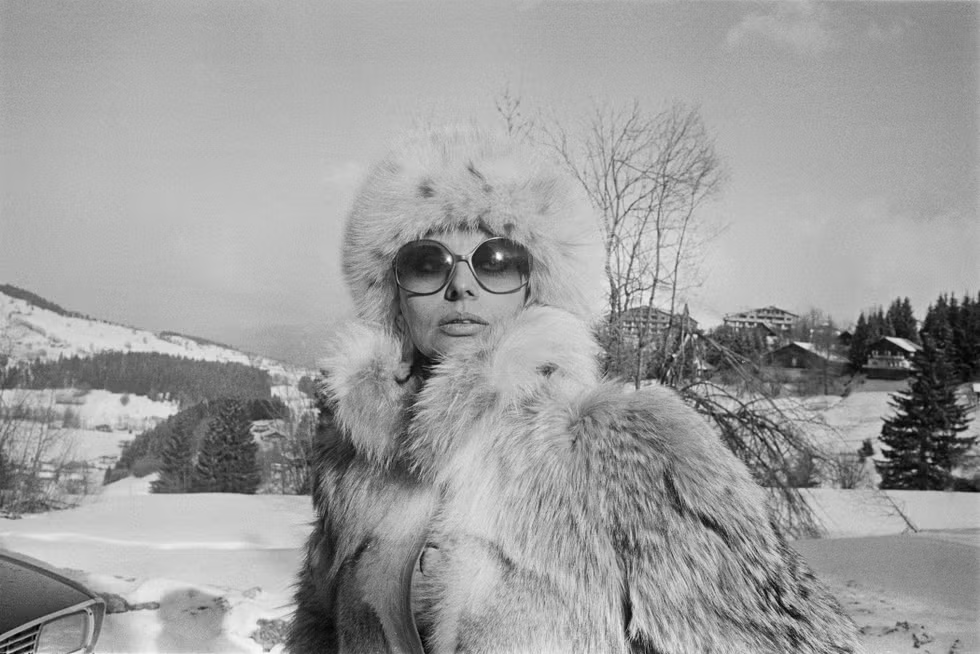
That's why Jackie Kennedy made Gstaad one of her favorite retreats. Her style perfectly complemented the alpine aesthetic: elegant monochromes, structured wool, oversized glasses, fur boots, and clean silhouettes that seemed specifically designed for walking amidst snow and wood.
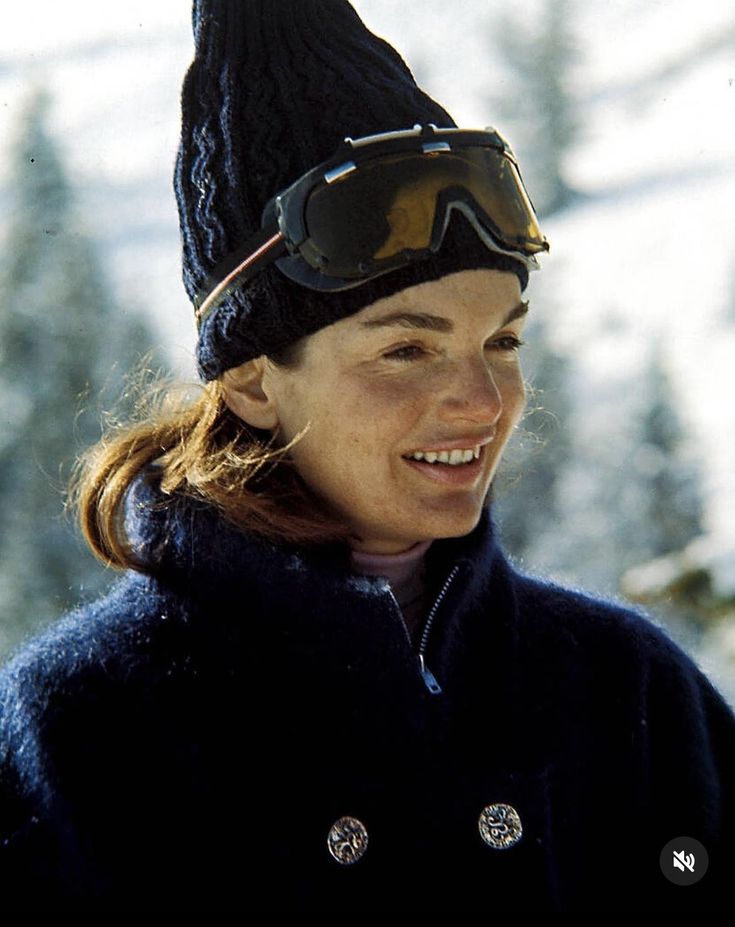
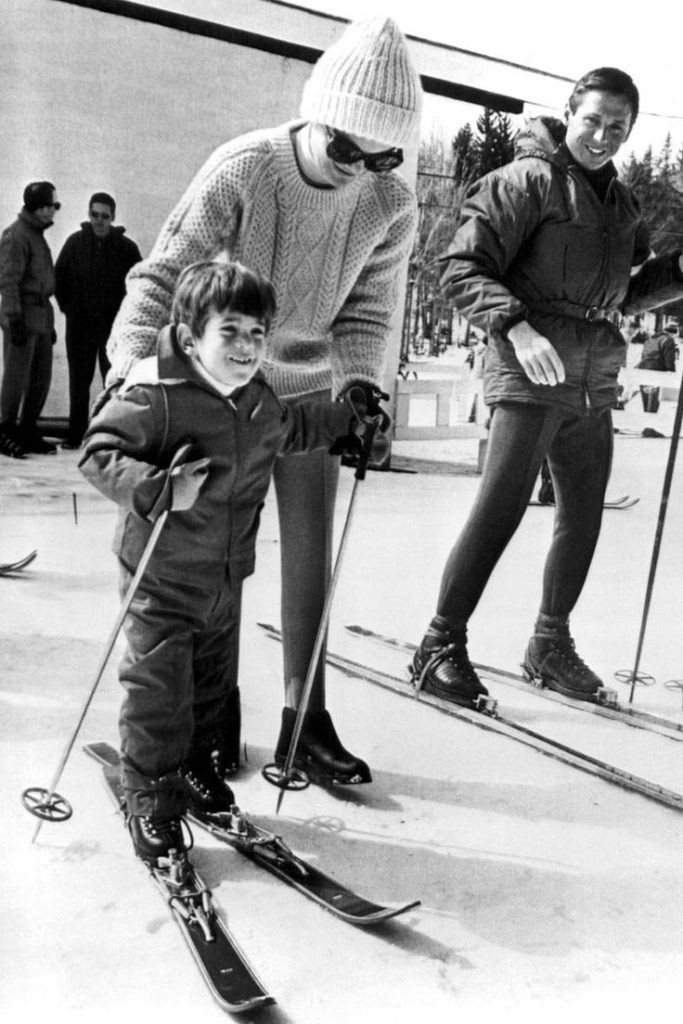
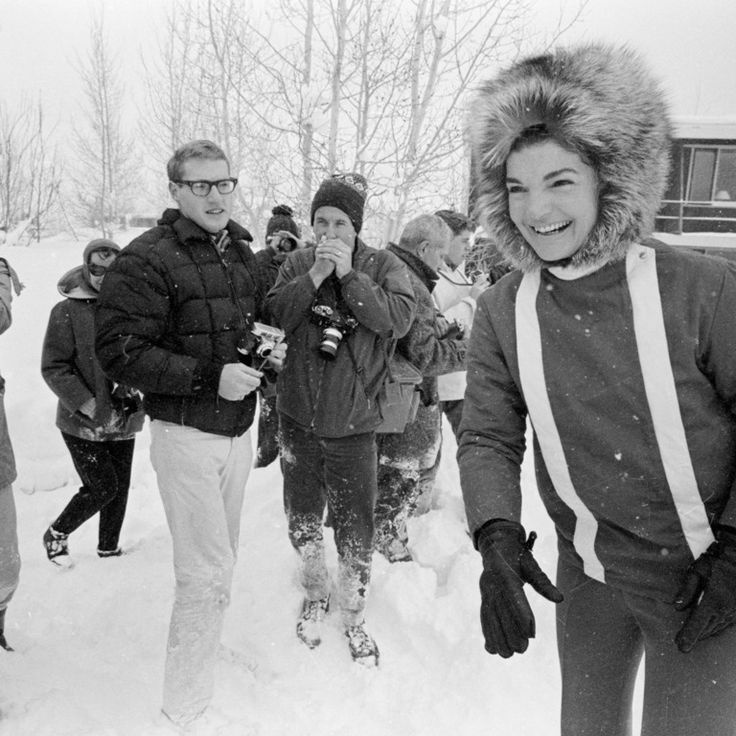
The mountain offered something few cities could then: privacy.
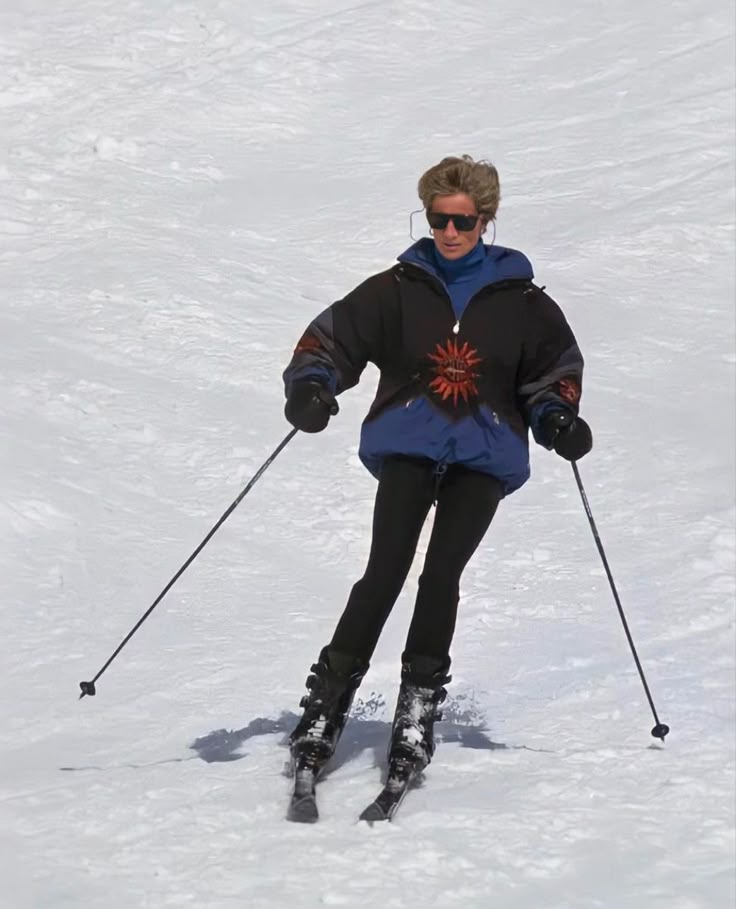
Decades later, Princess Diana would reinforce that emotional connection between royalty and snow from Lech, one of the favorite destinations of European royal families. Images of Diana with William and Harry helped humanize the iconography of luxury skiing: less aristocratic posing and more family intimacy amidst the Alps.
Aspen and the American Reinterpretation of Alpine Luxury
Across the Atlantic, Aspen developed a completely different narrative.
More relaxed. More cinematic. More American.
From the mid-20th century, actors, musicians, and entrepreneurs began settling there, attracted by the combination of wild nature and discreet sophistication. Aspen retained European exclusivity but replaced a certain aristocratic rigidity with a more contemporary idea of luxury.
Private chalets among snowy forests. Intimate restaurants. Contemporary art. High-end technical fashion mixed with vintage denim and cashmere sweaters.
The snow ceased to feel ceremonial.
Figures like Grace Kelly, Elizabeth Taylor, and John F. Kennedy helped build that aspirational reputation, which today continues to be upheld by celebrities such as Leonardo DiCaprio and Gigi Hadid.
Aspen understood something fundamental before many other destinations: the alpine experience doesn't end when you leave the slopes.
The Rise of Après-Ski as a Cultural Phenomenon
For years, snow fashion was purely functional. Then it became aspirational.
And finally, it became a distinct aesthetic identity.
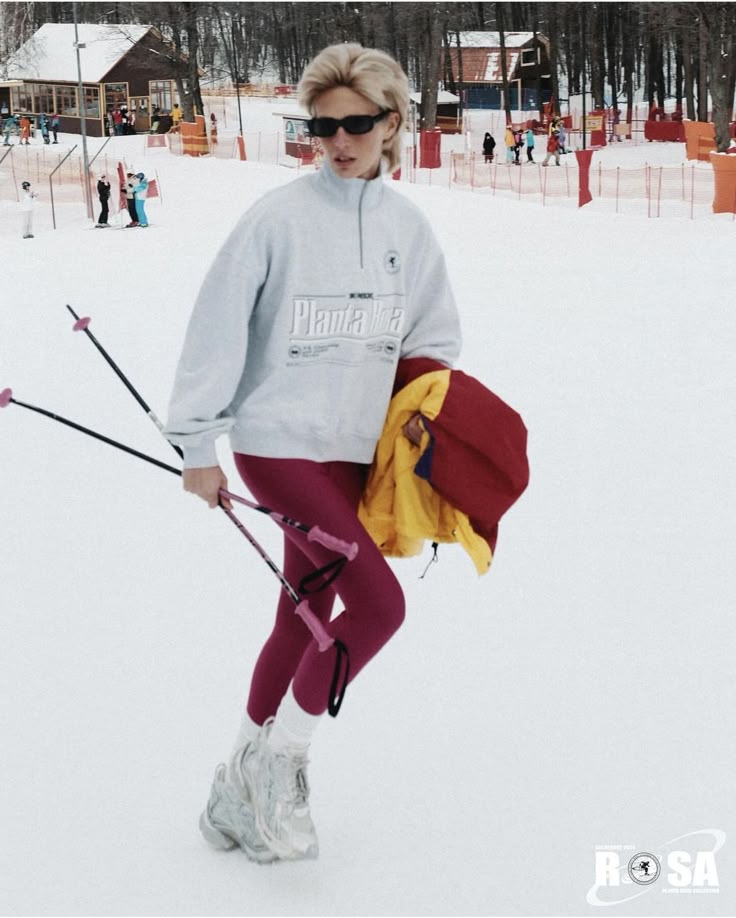
Today, it's impossible to separate the ski universe from the visual language of contemporary luxury. Fashion brands, technical labels, and historic houses constantly reinterpret alpine codes: glacier goggles, cable-knit sweaters, robust boots, retro jumpsuits, architectural down jackets, or direct graphic references to legendary resorts.
Après-ski is no longer just an activity after skiing. It’s an imaginary, and arguably one of the strongest in recent years.
It's no coincidence that so many current luxury campaigns feature mountain hotels, snowy landscapes, or dark wood-paneled interiors. Snow communicates something extremely valuable to brands: an unparalleled exclusivity in any other setting.
Why We Remain Obsessed with Alpine Imagery
Even as the European season ends each spring, the desire remains.
In fact, perhaps alpine luxury works precisely because it represents something increasingly scarce.
And in the midst of the digital age, that feeling holds more value than ever.
That’s why the ski universe continues to expand beyond winter. While the Southern Hemisphere prepares to open its season in destinations like Valle Nevado or Queenstown, in Europe the mountains transform into another form of luxury: alpine spas, high-altitude hiking, historic hotels, mountain gastronomy, and wellness retreats surrounded by lakes and glaciers.
The snow disappears for a few months.
The alpine imaginary does not.