%20--%3e%3cdefs%3e%3cstyle%3e%20.st0%20{%20fill:%20%231d1d1b;%20}%20%3c/style%3e%3c/defs%3e%3cpath%20class='st0'%20d='M174.5,69.9c-2.1-4.9-5.6-10.7-10.4-17.3-4.9-6.6-11-13.3-18.2-20-8.3-8.3-17.9-14.7-28.8-19-10.9-4.4-21.9-6.6-33-6.6s-23.7,2.7-33,8.1c-6.4,4.4-11.6,10.3-15.1,17.7-3.7,7.3-5.4,15.2-5.4,23.6,0,32.9,22.7,53.8,68,62.6,35.6,7,60.4,17.4,74.7,31.3,14.2,13.9,20.5,32.9,18.7,57-1.3,25.5-10.7,44.2-28.2,56.3-17.4,12.2-38.5,18.4-62.8,18.7-20-.2-38.3-3-55.2-8.1-16.9-5.2-31.2-12.6-43.1-22.1l-1.1-67.7c7.2,22.8,19.5,42,36.8,57.6,17.2,15.6,36.3,25.6,57.3,29.9,7.6,1.6,14.8,2.3,21.8,2.3,17.1,0,31.1-4.2,42.2-12.7,11-8.4,16.6-21.2,16.6-38.3s-6.4-30.7-19.5-43c-13-12.3-36.5-22.2-70.4-29.8-29.3-6.4-49.3-16.2-60.1-29.3-10.8-13.1-15.9-29.1-15.3-48,.2-14,4.2-26.3,12-37.1s18.4-19.2,31.9-25.2c13.4-6.1,28.8-9.1,45.9-9.1s28.2,1.9,41,5.7c12.8,3.8,23.7,8.3,32.5,13.8l.8,49h-.3Z'/%3e%3cpath%20class='st0'%20d='M269.3,250c0,11.1,3.7,18.4,10.9,22,7.2,3.4,14,5.2,20.2,5.2h-90.2c6.2,0,12.9-1.8,20-5.2,7.1-3.4,10.7-10.8,10.7-22V32.1c0-11.1-3.4-18.4-10.4-22-7-3.4-13.8-5.2-20.2-5.2h90.2c-6.4,0-13.3,1.8-20.5,5.2s-10.7,10.8-10.7,22v217.7h0ZM403.9,236.7c8.8,11.4,17.7,20.5,26.7,27.2,8.9,6.8,16.8,11.2,23.6,13.6l-53.7-.8c-9.1-8.3-18.2-18.6-27.6-30.7l-73.1-94.9c-2.3-3.1-5.3-4.7-8.9-4.7-6,0-12.4,3.7-19.5,10.9l90.6-108.5c5.7-6.8,8.6-13.4,8.6-20.2s-2-11.1-6-15.3-9.2-6.9-15.8-8h80.5c-2.3,0-7.6,1.7-15.8,5-8.1,3.3-17.7,9.9-28.6,19.5-4.9,4.4-13.1,13.6-24.7,27.6-11.6,14-21.6,26.3-30.1,36.9l-6.2,7.8c-5.7,5.7-8.6,11.1-8.6,16.3s1.9,8.4,5.8,13.6l82.8,104.6v.2Z'/%3e%3cpath%20class='st0'%20d='M516.2,248.4c0,11.7,3.7,19.3,11.1,23.1,7.3,3.8,14.3,5.7,20.8,5.7h-91.4c6.4,0,13.3-1.9,20.6-5.7s10.9-11.4,10.9-23.1V33.7c0-11.9-3.7-19.7-10.9-23.3s-14.1-5.4-20.6-5.4h91.4c-6.4,0-13.4,1.8-20.8,5.4-7.3,3.7-11.1,11.4-11.1,23.3v214.6h0Z'/%3e%3cpath%20class='st0'%20d='M770.2,243.3c4.9,13,10.8,21.7,17.4,26.2,6.8,4.6,12.7,7.1,17.9,7.6h-88.2c6.8-.8,12.4-2.9,17.1-6.2s7-8.1,7-14.3-.8-7.6-2.3-11.7l-28.8-80.9h-91l-25.7,70c-2.9,7.2-4.2,13.6-4.2,19,0,14.6,9.7,22.6,29.1,24.1h-72.4c8.8-.6,16.9-4.7,24.3-12.4,7.3-7.8,13.8-18.9,19.2-33.5L678-3.2l1.1,3.4,91,243.1ZM658.7,59.8c-1.9,4.4-4.6,11-8,19.8l-29.6,80.5h87.5l-30.7-87.5c-2.9-7.8-5.2-13-7.2-15.6-1.9-2.6-3.8-3.9-5.7-3.9s-4.4,2.2-6.4,6.6h.1Z'/%3e%3cpath%20class='st0'%20d='M1008.6,243.3c4.9,13,10.8,21.7,17.4,26.2,6.8,4.6,12.7,7.1,17.9,7.6h-88.2c6.8-.8,12.4-2.9,17.1-6.2s7-8.1,7-14.3-.8-7.6-2.3-11.7l-28.8-80.9h-91l-25.7,70c-2.9,7.2-4.2,13.6-4.2,19,0,14.6,9.7,22.6,29.1,24.1h-72.4c8.8-.6,16.9-4.7,24.3-12.4,7.3-7.8,13.8-18.9,19.2-33.5L916.3-3.2l1.1,3.4,91,243.1h.1ZM897.1,59.8c-1.9,4.4-4.6,11-8,19.8l-29.6,80.5h87.5l-30.7-87.5c-2.9-7.8-5.2-13-7.2-15.6-1.9-2.6-3.8-3.9-5.7-3.9s-4.4,2.2-6.4,6.6h.1Z'/%3e%3cpath%20class='st0'%20d='M1241.1,244.5c4.9,8.6,11,15.6,18.1,21s14.1,9.3,20.8,11.7h-47.8c-8-8-16.9-20.8-26.5-38.1l-37.3-63c-7.6-12.7-15.7-21-24.3-24.9s-19.6-5.8-32.5-5.8h-12.4v107.7c0,9.9,3.3,16.3,9.9,19.5s12.9,4.7,18.9,4.7h-87.9c6.4,0,13.2-1.8,20.2-5.2s10.4-10.8,10.4-22V32.1c0-11.1-3.6-18.4-10.7-22-7.1-3.4-13.8-5.2-20-5.2,10.3,0,25.5-.2,45.1-.8l37.7-.3c29,0,51.5,2.1,67.2,6.4,15.8,4.2,27.5,12.9,35,25.9,6.2,9.9,9.3,21.9,9.3,36.1s-2.4,22.2-7.3,32.5c-4.9,10.2-11.7,18.4-20.2,24.7-5.4,3.9-11.7,7.2-18.7,9.9s-13.4,4.3-19.5,4.9c4.7,1.3,9.6,4.2,14.8,8.9,5.2,4.7,11.1,13,17.9,24.9l39.7,66.5h0ZM1187.6,120.5c12.3-12.2,18.4-28.1,18.4-47.8s-7.4-42-22.3-51.6c-14.9-9.4-36.7-14.2-65.1-14.2s-15,.1-19.5.3v134.1c9.3,0,21.6-.2,36.6-.8,22.3-1.3,39.6-8,51.9-20.2h0Z'/%3e%3c/svg%3e)
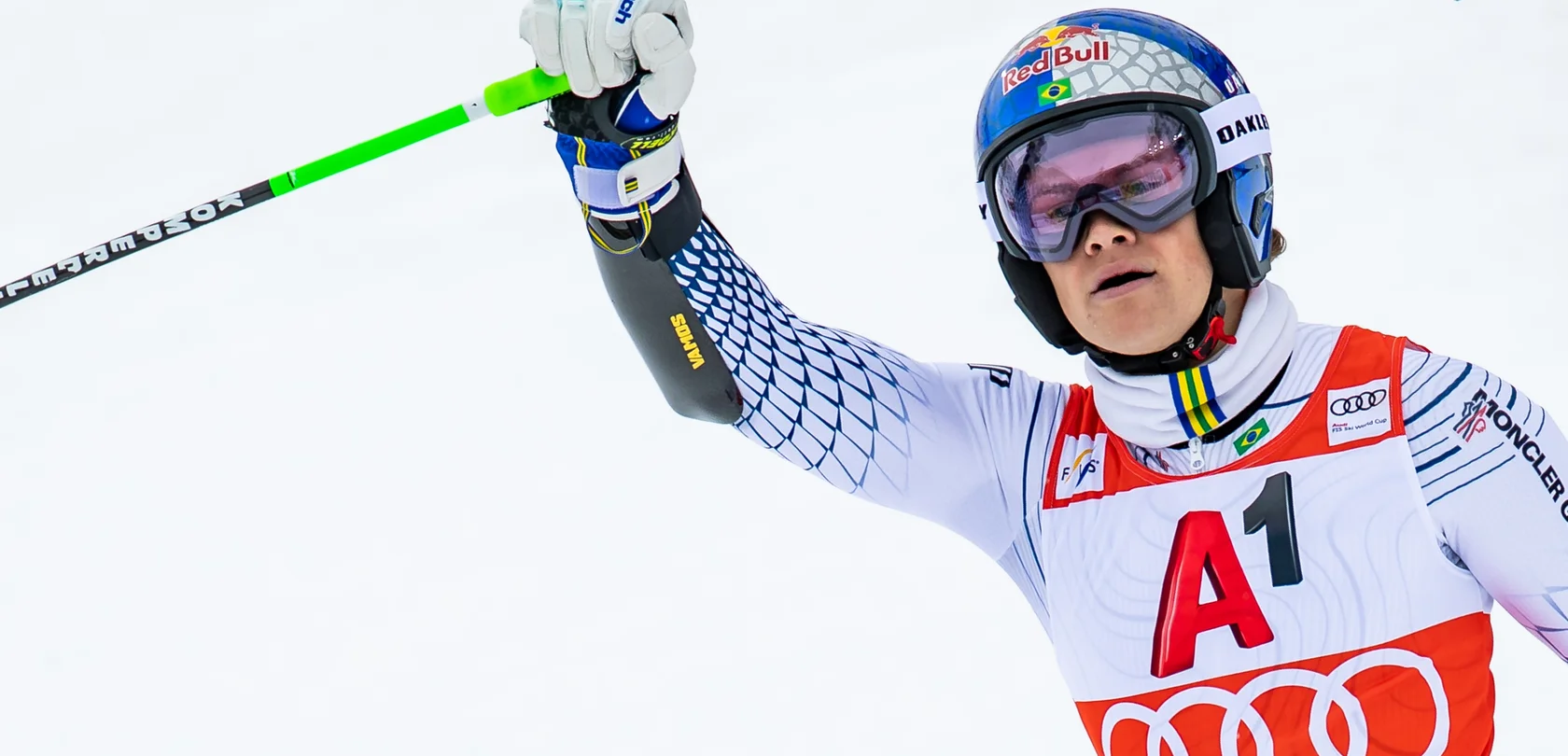
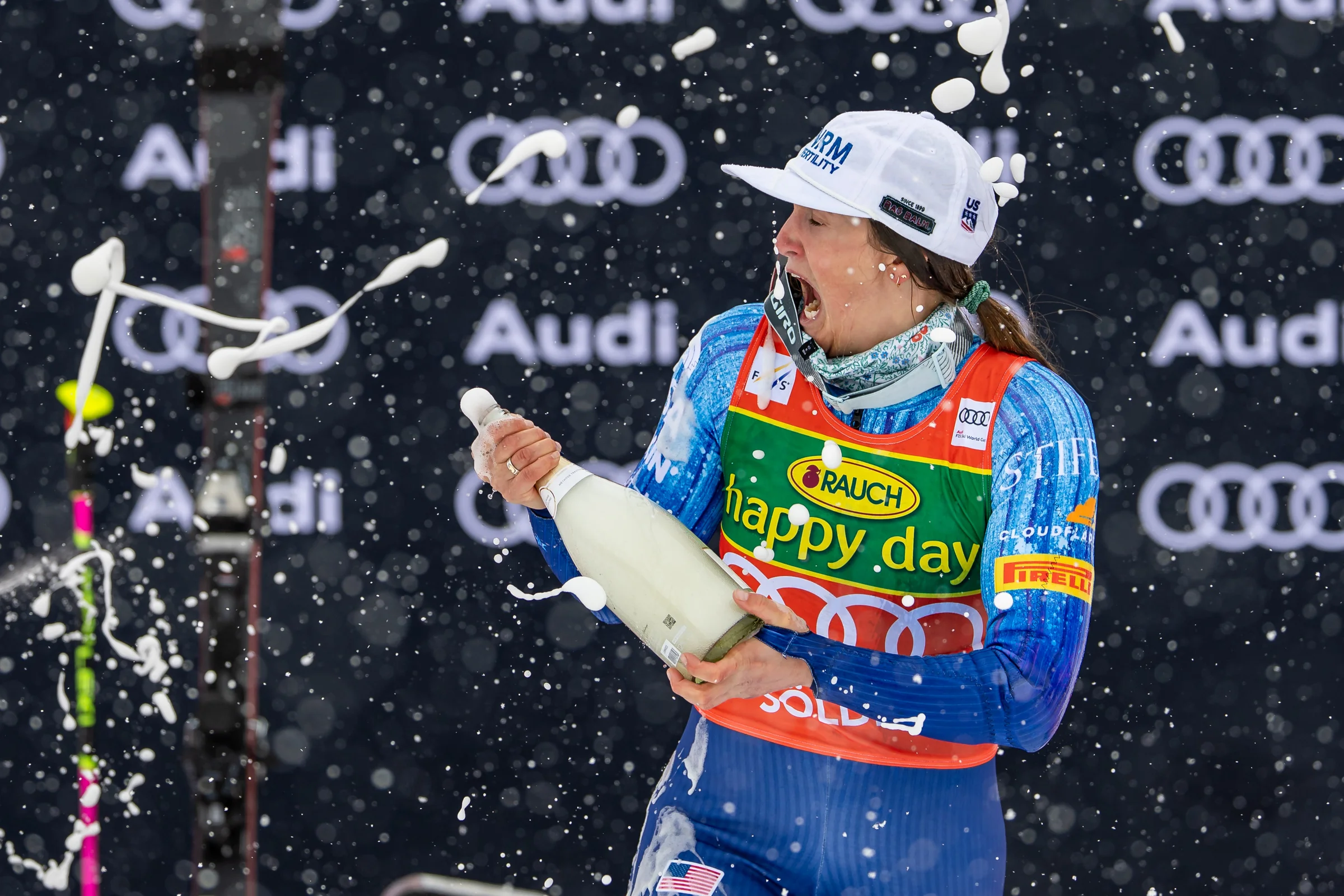
The Brazilian conquers Sölden, opening the 2026/27 World Cup with a victory that confirms his extraordinary form. Olympic champion, Crystal Globe holder, and firmly established as one of world skiing’s defining figures, Braathen proves that his sporting revolution is far from over.
There are athletes who win races, and others who transform the way a sport is perceived. Lucas Pinheiro Braathen seems determined to do both.
The Brazilian skier opened the 2026/27 Alpine Ski World Cup season with a victory in Sölden, Austria, one of the most iconic venues on the international calendar. On the Rettenbach glacier, the traditional starting point of the competitive winter, Braathen once again prevailed over the world's best specialists and delivered an opening statement of intent: the man who claimed Olympic gold and the Crystal Globe last season remains the benchmark in giant slalom.
His triumph marks a fourth consecutive victory in the discipline, counting his historic performance at the Milán-Cortina 2026 Olympic Games. A streak that transcends statistics and cements one of contemporary sport's most singular and compelling figures.
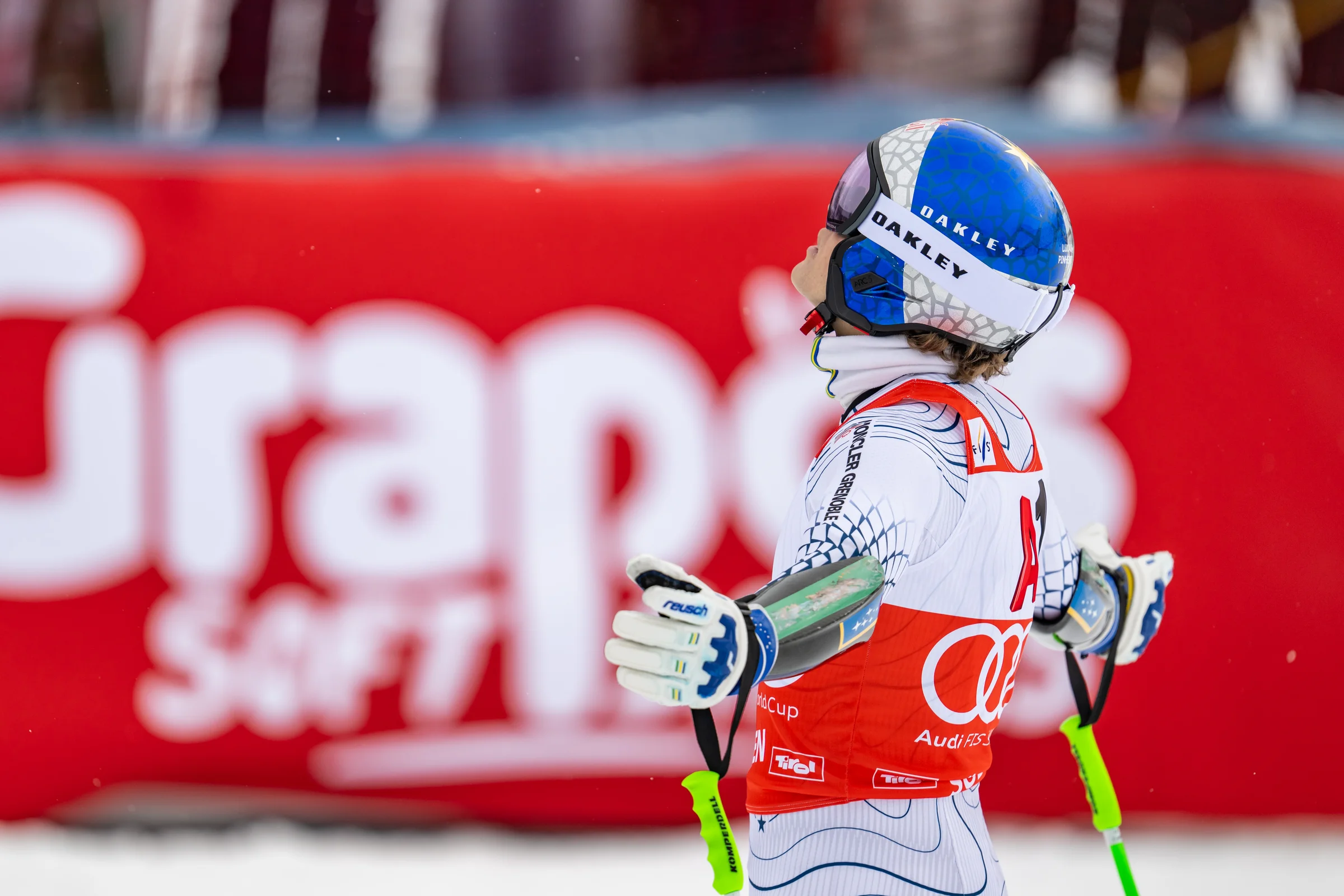
A Victory That Confirms a New Hierarchy
Sölden is never just another race. The Austrian resort marks the symbolic start of the season—the moment when months of physical preparation, technical development, and expectations first confront the clock.
This year, conditions added considerable difficulty. High winds forced organizers to lower the start and shorten the course, while patchy visibility and a demanding surface tested the racers' adaptability.
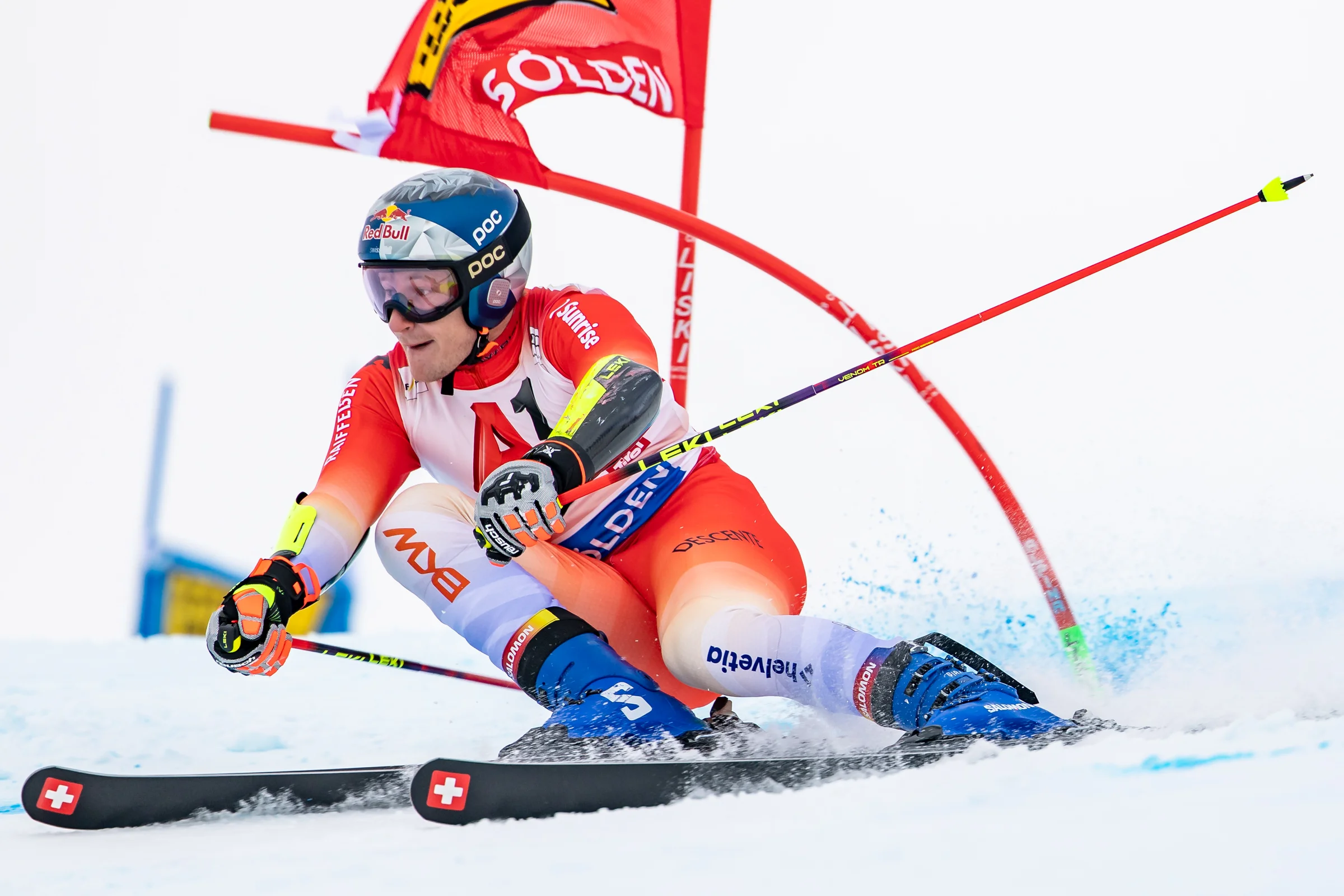
Braathen responded with a near-flawless first run, opening a 0.24-second lead over his pursuers. In the second run, far from merely defending his advantage, he once again demonstrated the confidence and precision that have defined his recent performances.
He stopped the clock at 1:44.72, edging Swiss skier Loïc Meillard by 0.48 seconds and Marco Odermatt—the dominant force in the overall standings in recent years—by 0.49.
The margin between the two Swiss racers was a solitary hundredth of a second. Odermatt, who set the fastest time in the second run, had to settle for third place on the podium. For the Swiss champion, arriving on the back of a preseason hampered by physical setbacks, the result represents a solid start, yet also confirmation that his chief rival has raised the bar.
From Norway to Brazil: A Story That Has Broken the Boundaries of Skiing
To understand the true stature of Lucas Pinheiro Braathen, one must look beyond the results.
Born in Oslo to a Norwegian father and a Brazilian mother, he grew up immersed in the Scandinavian ski tradition, one of the sport's great powerhouses. His talent swiftly propelled him into the international elite, and at just 20 years old, he secured his maiden World Cup victory in Sölden, in 2020.
Yet his trajectory took an unexpected turn when he announced his retirement from competitive skiing in 2023, amid disputes with the Norwegian federation.
His return, this time representing Brazil, opened an entirely different chapter.
The switch was not merely an athletic decision. It also offered the opportunity to compete from a more personal identity, rooted in his heritage and in a vision of the sport that challenges some of its traditional conventions.
In February 2026, he made history by capturing Olympic gold in giant slalom, becoming the first South American athlete to medal at the Winter Olympic Games. Decisive victories followed, securing him the Crystal Globe in the discipline.
Today, at 26, he boasts nine World Cup victories and has made the Brazilian flag a familiar fixture on the podiums of a sport historically dominated by the Alpine and Nordic powerhouses.
Much More Than a Champion: A New Face for Skiing
Braathen's influence extends far beyond his ability to ski down a course faster than his rivals.
His charisma, his engagement with fashion, music, and contemporary culture, and an unconventional presence on the circuit have shaped a figure who connects with audiences traditionally detached from alpine skiing.
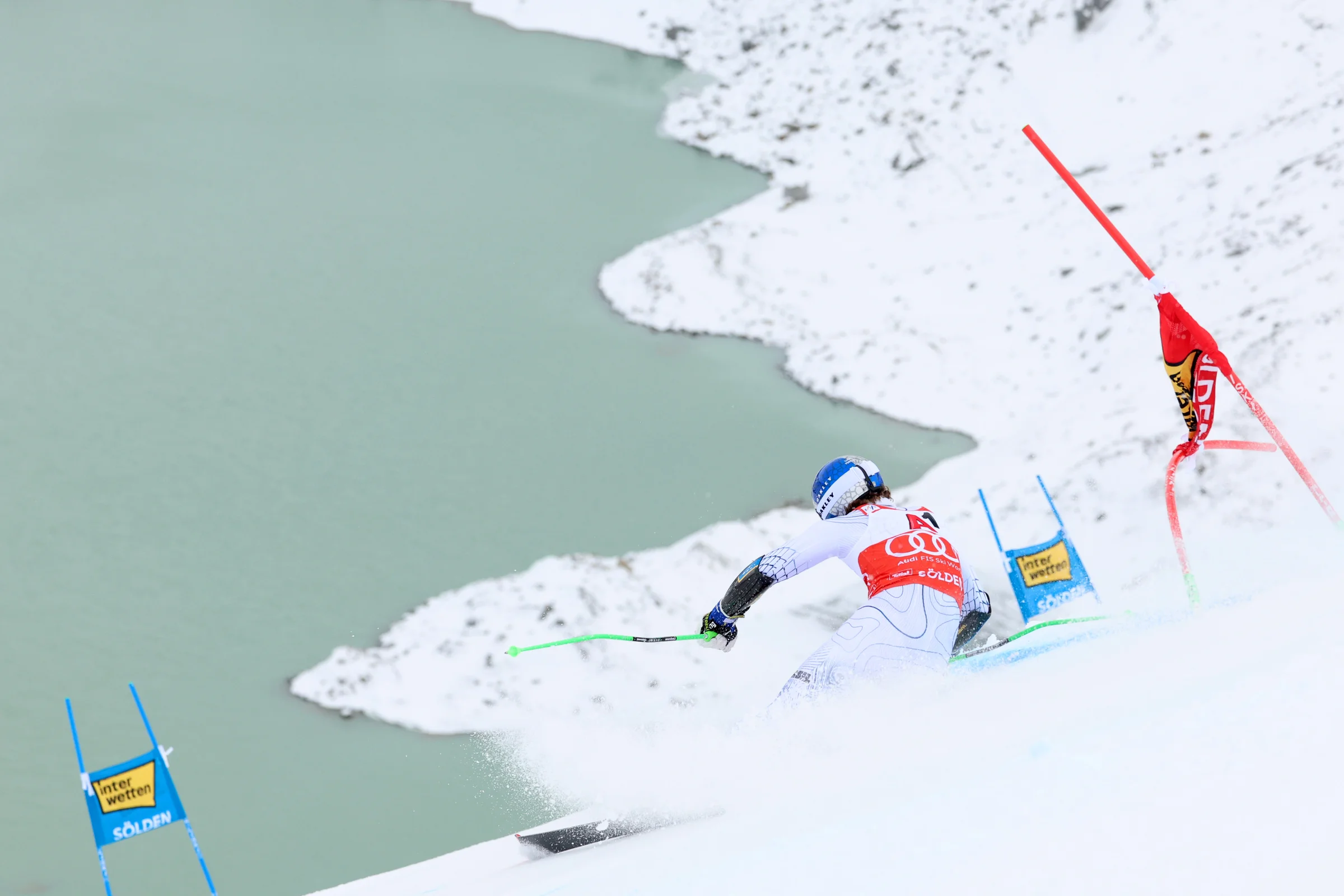
In a sport deeply tethered to its European heritage, Braathen represents a generation of athletes who view competition and personal identity as inseparable.
It is not merely about his celebrations, his aesthetic, or his flair. His greatest contribution may lie in proving that elite skiing can expand its cultural and geographic boundaries without compromising its competitive edge.
Brazil, a nation internationally synonymous with football, beaches, and summer sports, now counts one of the world's finest skiers among its own. That reality presents alpine skiing with an extraordinary opportunity to engage new audiences.
Sölden: Where It All Began
There is an especially profound resonance to this victory.
Six years ago, in October 2020, a 20-year-old Braathen stunned the circuit by becoming the youngest winner of a men's World Cup race in Sölden.
Back then, he raced under the Norwegian flag, only just beginning to realize his potential.
Today, he returns to the same stage as Olympic champion, Crystal Globe winner, and leader of a new generation determined to redefine the discipline's future.
Between those two triumphs lay a retirement, a comeback, a change of sporting nationality, and a personal evolution that few could have anticipated.
His finish-line celebration captured that very emotional weight. For Braathen, winning once more where his story first unfolded carries a significance that reaches far beyond World Cup points.
Winter Has Only Just Begun
The 2026/27 season has only just raised its curtain, yet Sölden has already provided glimpses of the storylines likely to define the months ahead.
Marco Odermatt remains a towering benchmark in world skiing. Loïc Meillard has proven he possesses both the speed and consistency to vie for victories from the outset. And Braathen has made it abundantly clear that his recent triumphs are no final destination.
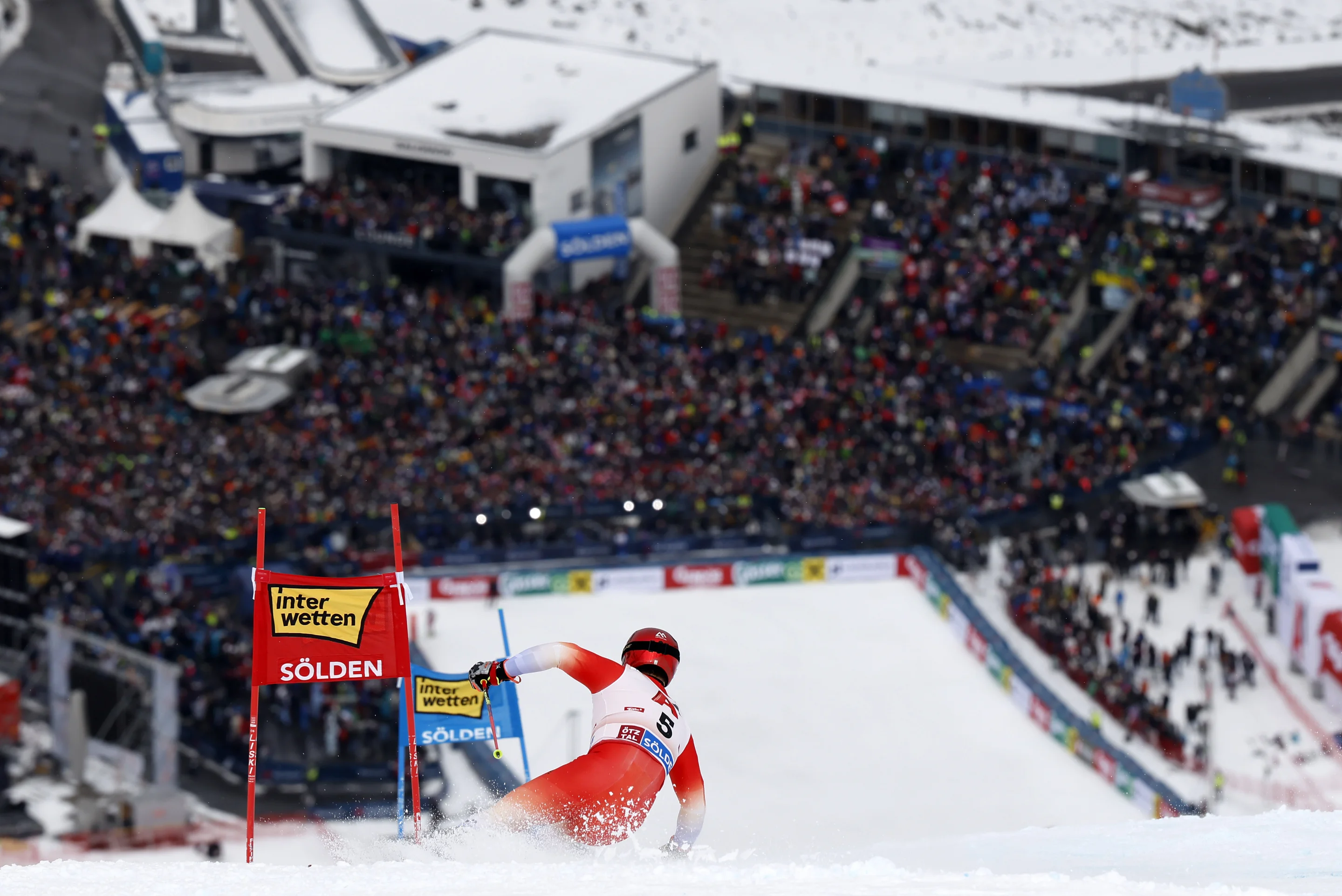
The men's World Cup continues on November 15 in Levi, Finland, with the season's opening slalom event—a discipline where the Brazilian has equally proven his pedigree.
Ahead lie months of racing, classic Alpine fixtures, and a title race destined to captivate the international circuit.
Yet winter's first defining image already has its leading man.
Lucas Pinheiro Braathen has won again. And as he continues to write his own history, he is also helping reshape that of skiing itself.