%20--%3e%3cdefs%3e%3cstyle%3e%20.st0%20{%20fill:%20%231d1d1b;%20}%20%3c/style%3e%3c/defs%3e%3cpath%20class='st0'%20d='M174.5,69.9c-2.1-4.9-5.6-10.7-10.4-17.3-4.9-6.6-11-13.3-18.2-20-8.3-8.3-17.9-14.7-28.8-19-10.9-4.4-21.9-6.6-33-6.6s-23.7,2.7-33,8.1c-6.4,4.4-11.6,10.3-15.1,17.7-3.7,7.3-5.4,15.2-5.4,23.6,0,32.9,22.7,53.8,68,62.6,35.6,7,60.4,17.4,74.7,31.3,14.2,13.9,20.5,32.9,18.7,57-1.3,25.5-10.7,44.2-28.2,56.3-17.4,12.2-38.5,18.4-62.8,18.7-20-.2-38.3-3-55.2-8.1-16.9-5.2-31.2-12.6-43.1-22.1l-1.1-67.7c7.2,22.8,19.5,42,36.8,57.6,17.2,15.6,36.3,25.6,57.3,29.9,7.6,1.6,14.8,2.3,21.8,2.3,17.1,0,31.1-4.2,42.2-12.7,11-8.4,16.6-21.2,16.6-38.3s-6.4-30.7-19.5-43c-13-12.3-36.5-22.2-70.4-29.8-29.3-6.4-49.3-16.2-60.1-29.3-10.8-13.1-15.9-29.1-15.3-48,.2-14,4.2-26.3,12-37.1s18.4-19.2,31.9-25.2c13.4-6.1,28.8-9.1,45.9-9.1s28.2,1.9,41,5.7c12.8,3.8,23.7,8.3,32.5,13.8l.8,49h-.3Z'/%3e%3cpath%20class='st0'%20d='M269.3,250c0,11.1,3.7,18.4,10.9,22,7.2,3.4,14,5.2,20.2,5.2h-90.2c6.2,0,12.9-1.8,20-5.2,7.1-3.4,10.7-10.8,10.7-22V32.1c0-11.1-3.4-18.4-10.4-22-7-3.4-13.8-5.2-20.2-5.2h90.2c-6.4,0-13.3,1.8-20.5,5.2s-10.7,10.8-10.7,22v217.7h0ZM403.9,236.7c8.8,11.4,17.7,20.5,26.7,27.2,8.9,6.8,16.8,11.2,23.6,13.6l-53.7-.8c-9.1-8.3-18.2-18.6-27.6-30.7l-73.1-94.9c-2.3-3.1-5.3-4.7-8.9-4.7-6,0-12.4,3.7-19.5,10.9l90.6-108.5c5.7-6.8,8.6-13.4,8.6-20.2s-2-11.1-6-15.3-9.2-6.9-15.8-8h80.5c-2.3,0-7.6,1.7-15.8,5-8.1,3.3-17.7,9.9-28.6,19.5-4.9,4.4-13.1,13.6-24.7,27.6-11.6,14-21.6,26.3-30.1,36.9l-6.2,7.8c-5.7,5.7-8.6,11.1-8.6,16.3s1.9,8.4,5.8,13.6l82.8,104.6v.2Z'/%3e%3cpath%20class='st0'%20d='M516.2,248.4c0,11.7,3.7,19.3,11.1,23.1,7.3,3.8,14.3,5.7,20.8,5.7h-91.4c6.4,0,13.3-1.9,20.6-5.7s10.9-11.4,10.9-23.1V33.7c0-11.9-3.7-19.7-10.9-23.3s-14.1-5.4-20.6-5.4h91.4c-6.4,0-13.4,1.8-20.8,5.4-7.3,3.7-11.1,11.4-11.1,23.3v214.6h0Z'/%3e%3cpath%20class='st0'%20d='M770.2,243.3c4.9,13,10.8,21.7,17.4,26.2,6.8,4.6,12.7,7.1,17.9,7.6h-88.2c6.8-.8,12.4-2.9,17.1-6.2s7-8.1,7-14.3-.8-7.6-2.3-11.7l-28.8-80.9h-91l-25.7,70c-2.9,7.2-4.2,13.6-4.2,19,0,14.6,9.7,22.6,29.1,24.1h-72.4c8.8-.6,16.9-4.7,24.3-12.4,7.3-7.8,13.8-18.9,19.2-33.5L678-3.2l1.1,3.4,91,243.1ZM658.7,59.8c-1.9,4.4-4.6,11-8,19.8l-29.6,80.5h87.5l-30.7-87.5c-2.9-7.8-5.2-13-7.2-15.6-1.9-2.6-3.8-3.9-5.7-3.9s-4.4,2.2-6.4,6.6h.1Z'/%3e%3cpath%20class='st0'%20d='M1008.6,243.3c4.9,13,10.8,21.7,17.4,26.2,6.8,4.6,12.7,7.1,17.9,7.6h-88.2c6.8-.8,12.4-2.9,17.1-6.2s7-8.1,7-14.3-.8-7.6-2.3-11.7l-28.8-80.9h-91l-25.7,70c-2.9,7.2-4.2,13.6-4.2,19,0,14.6,9.7,22.6,29.1,24.1h-72.4c8.8-.6,16.9-4.7,24.3-12.4,7.3-7.8,13.8-18.9,19.2-33.5L916.3-3.2l1.1,3.4,91,243.1h.1ZM897.1,59.8c-1.9,4.4-4.6,11-8,19.8l-29.6,80.5h87.5l-30.7-87.5c-2.9-7.8-5.2-13-7.2-15.6-1.9-2.6-3.8-3.9-5.7-3.9s-4.4,2.2-6.4,6.6h.1Z'/%3e%3cpath%20class='st0'%20d='M1241.1,244.5c4.9,8.6,11,15.6,18.1,21s14.1,9.3,20.8,11.7h-47.8c-8-8-16.9-20.8-26.5-38.1l-37.3-63c-7.6-12.7-15.7-21-24.3-24.9s-19.6-5.8-32.5-5.8h-12.4v107.7c0,9.9,3.3,16.3,9.9,19.5s12.9,4.7,18.9,4.7h-87.9c6.4,0,13.2-1.8,20.2-5.2s10.4-10.8,10.4-22V32.1c0-11.1-3.6-18.4-10.7-22-7.1-3.4-13.8-5.2-20-5.2,10.3,0,25.5-.2,45.1-.8l37.7-.3c29,0,51.5,2.1,67.2,6.4,15.8,4.2,27.5,12.9,35,25.9,6.2,9.9,9.3,21.9,9.3,36.1s-2.4,22.2-7.3,32.5c-4.9,10.2-11.7,18.4-20.2,24.7-5.4,3.9-11.7,7.2-18.7,9.9s-13.4,4.3-19.5,4.9c4.7,1.3,9.6,4.2,14.8,8.9,5.2,4.7,11.1,13,17.9,24.9l39.7,66.5h0ZM1187.6,120.5c12.3-12.2,18.4-28.1,18.4-47.8s-7.4-42-22.3-51.6c-14.9-9.4-36.7-14.2-65.1-14.2s-15,.1-19.5.3v134.1c9.3,0,21.6-.2,36.6-.8,22.3-1.3,39.6-8,51.9-20.2h0Z'/%3e%3c/svg%3e)
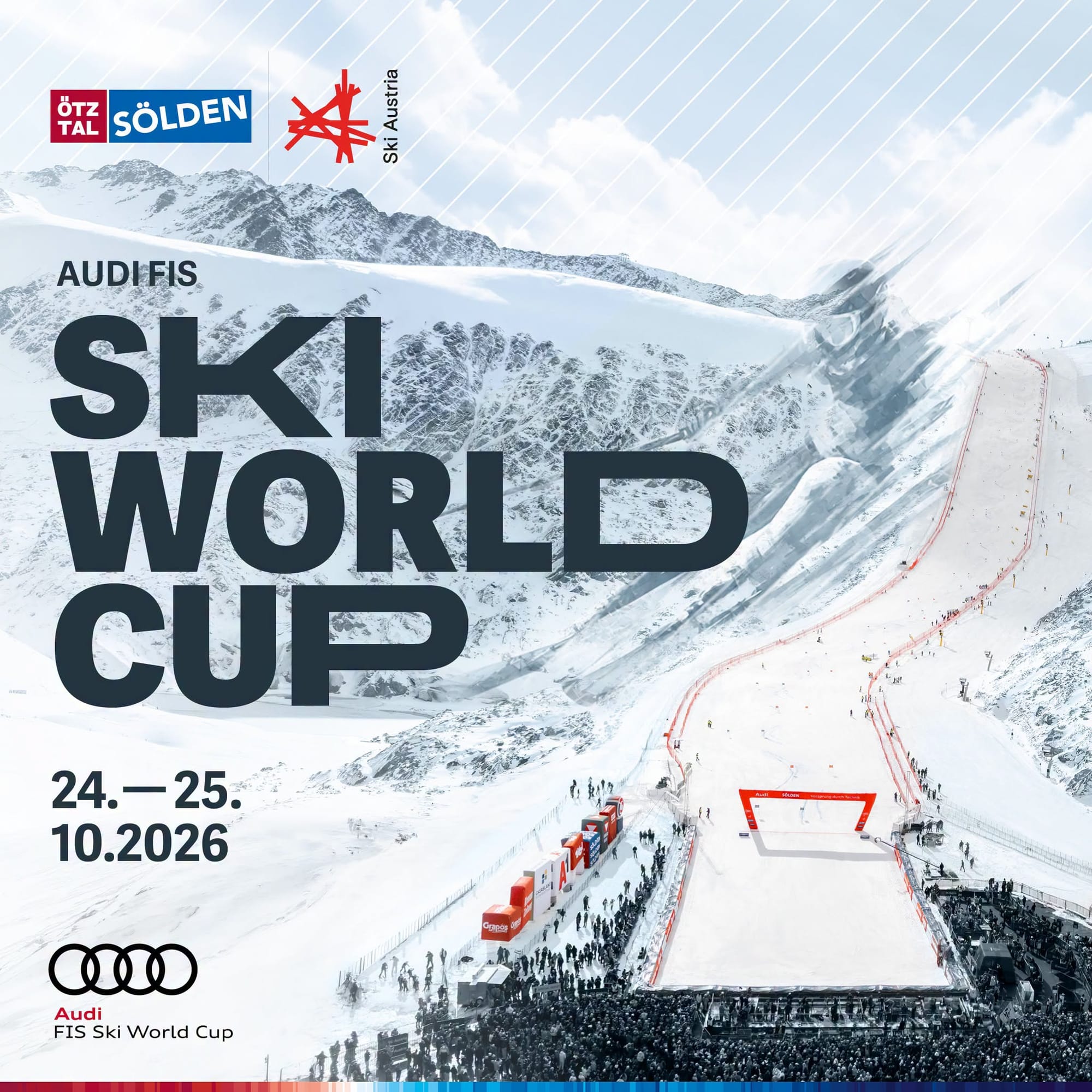
The International Ski and Snowboard Federation (FIS) has confirmed the launch of the 2026/27 Alpine Ski World Cup in Sölden, Austria, on October 24 and 25. Beyond the return of the circuit’s leading figures, the event once again demonstrates the extraordinary value of elite sport as an economic, tourism, and commercial driver for mountain destinations.
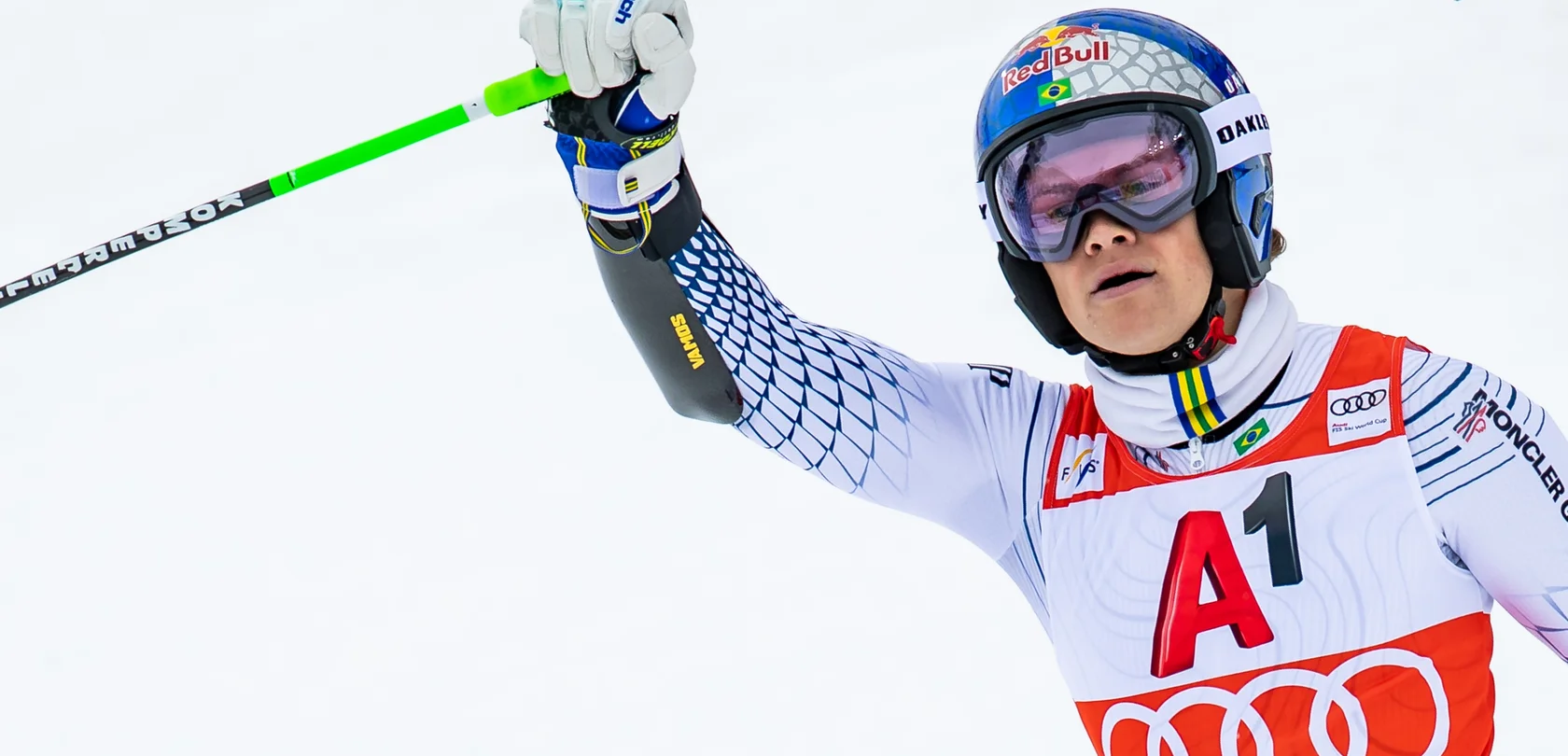
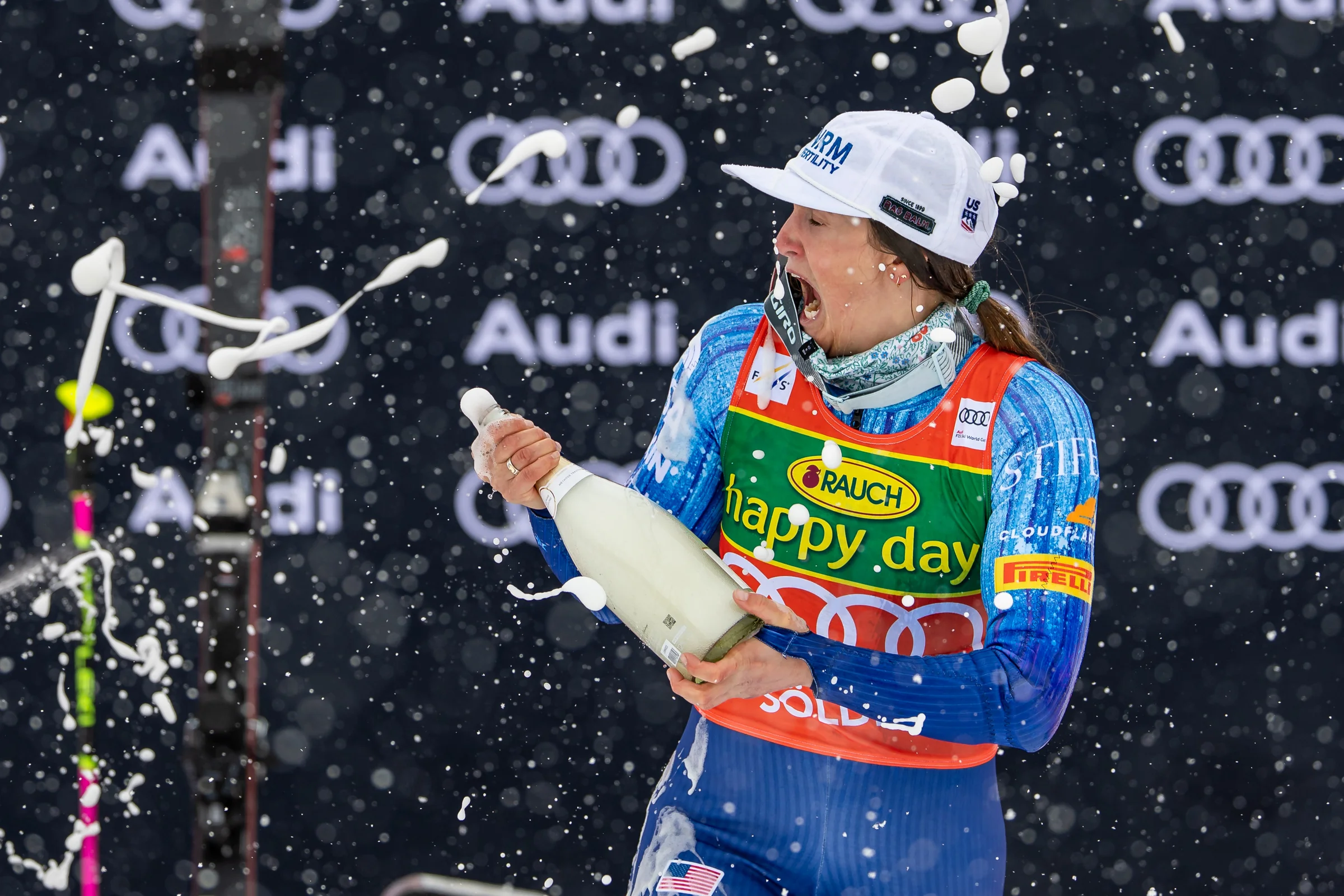
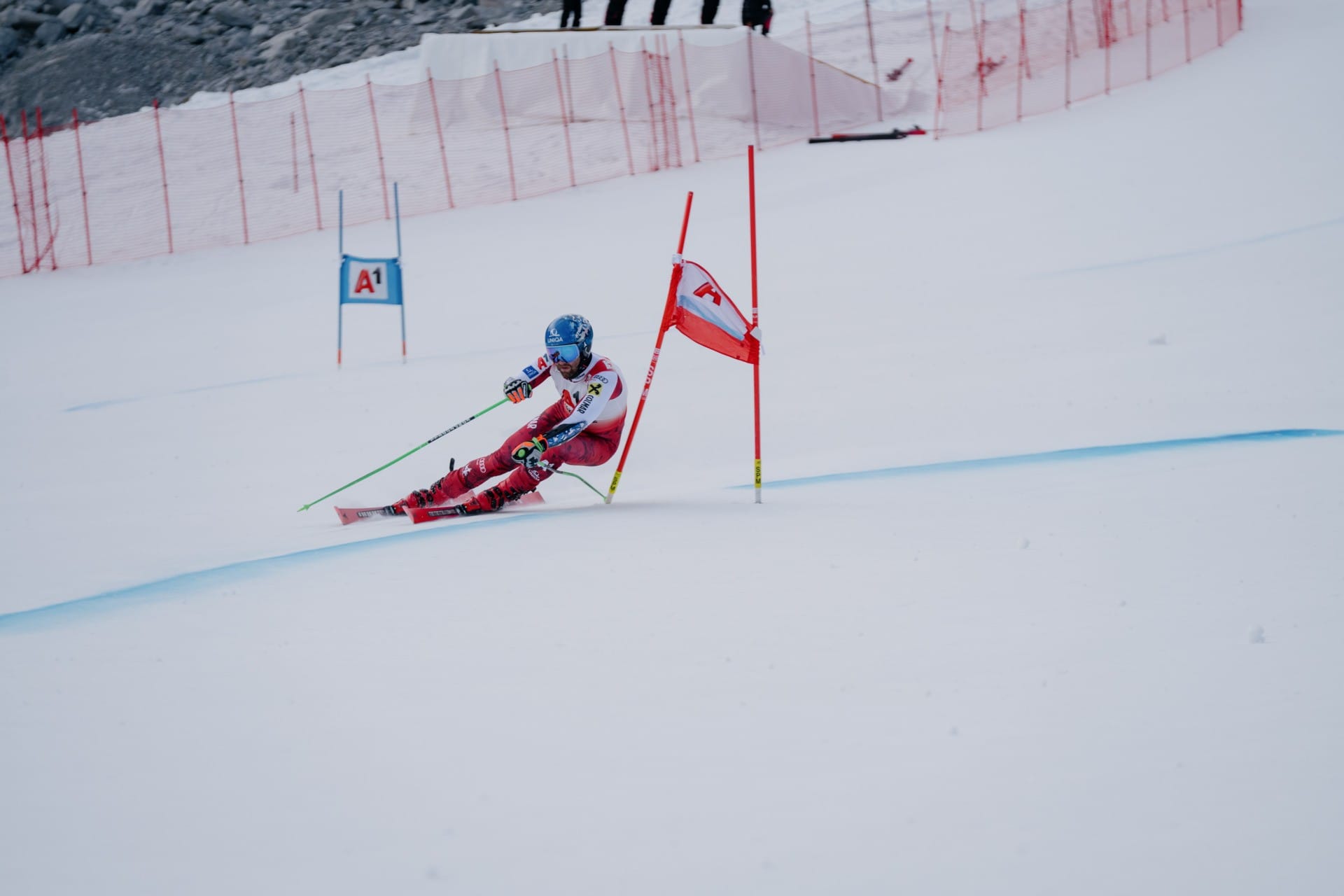
This weekend, the Rettenbach glacier will once again become the epicenter of international skiing. Following the successful completion of the official snow control by the International Ski and Snowboard Federation (FIS), Sölden has been given the green light to open a new season of the 2026/27 Alpine Ski World Cup, featuring two giant slalom races bringing together some of the circuit's biggest names, including Mikaela Shiffrin, Marco Odermatt, Lucas Pinheiro Braathen, and Julia Scheib. The women's competition will open the calendar on Saturday, October 24, while the men take over on Sunday, October 25, with runs scheduled for 10:00 and 13:00 on both days.
Yet the true scope of this event extends far beyond sporting results. For several days, this Austrian Tirol enclave transforms into an international stage where athletes, federations, sponsors, media, tour operators, and thousands of fans converge. It is a concentration of activity that places Sölden in a privileged position within the global winter tourism market, precisely as most European resorts are still preparing to launch their seasons.
THE WORLD CUP AS AN ECONOMIC ENGINE FOR ALPINE VALLEYS
Hosting a World Cup event entails far more than grooming a race course. For host destinations, it represents a strategic opportunity to activate their economy before peak season arrives, generate commercial activity, and project their brand to international markets. Hotels, restaurants, retail shops, transport companies, ski schools, and local suppliers form part of a value chain that thrives on the presence of the global tour.
In the case of Sölden, forecasts point to some 30,000 spectators over the weekend—a figure reflecting the scale of an event capable of mobilizing visitors in the heart of October. Alongside race-related action, a curated program of celebrations, gatherings, and experiences extends the event's impact from the glacier down to the Ötztal valley itself.
From a business perspective, such competitions provide destinations with a positioning tool difficult to replicate through conventional advertising campaigns. The international exposure linked to the World Cup allows a resort to be showcased not merely as a sporting venue, but as a comprehensive destination seamlessly blending infrastructure, hospitality, gastronomy, premium experiences, and alpine lifestyle. The return should not be measured solely by a single weekend's hotel occupancy, but also by accrued prestige, commercial opportunities, and the ability to convert that visibility into future bookings.
For mountain valleys, where economic vitality remains heavily dependent on seasonality, advancing the arrival of visitors and attracting new consumer profiles constitutes a particularly decisive competitive advantage. The World Cup thus acts as an international showcase, but also as an instrument to energize the local business fabric and reinforce the destination's perception of quality.
THE SNOW INDUSTRY FACING THE CHALLENGE OF GUARANTEEING THE SPECTACLE
Confirmation for Sölden comes after a demanding summer and early autumn for alpine glaciers. Guaranteeing an international competition at this point in the calendar demands increasingly sophisticated technical planning, infrastructure investments, and precise management of available resources.
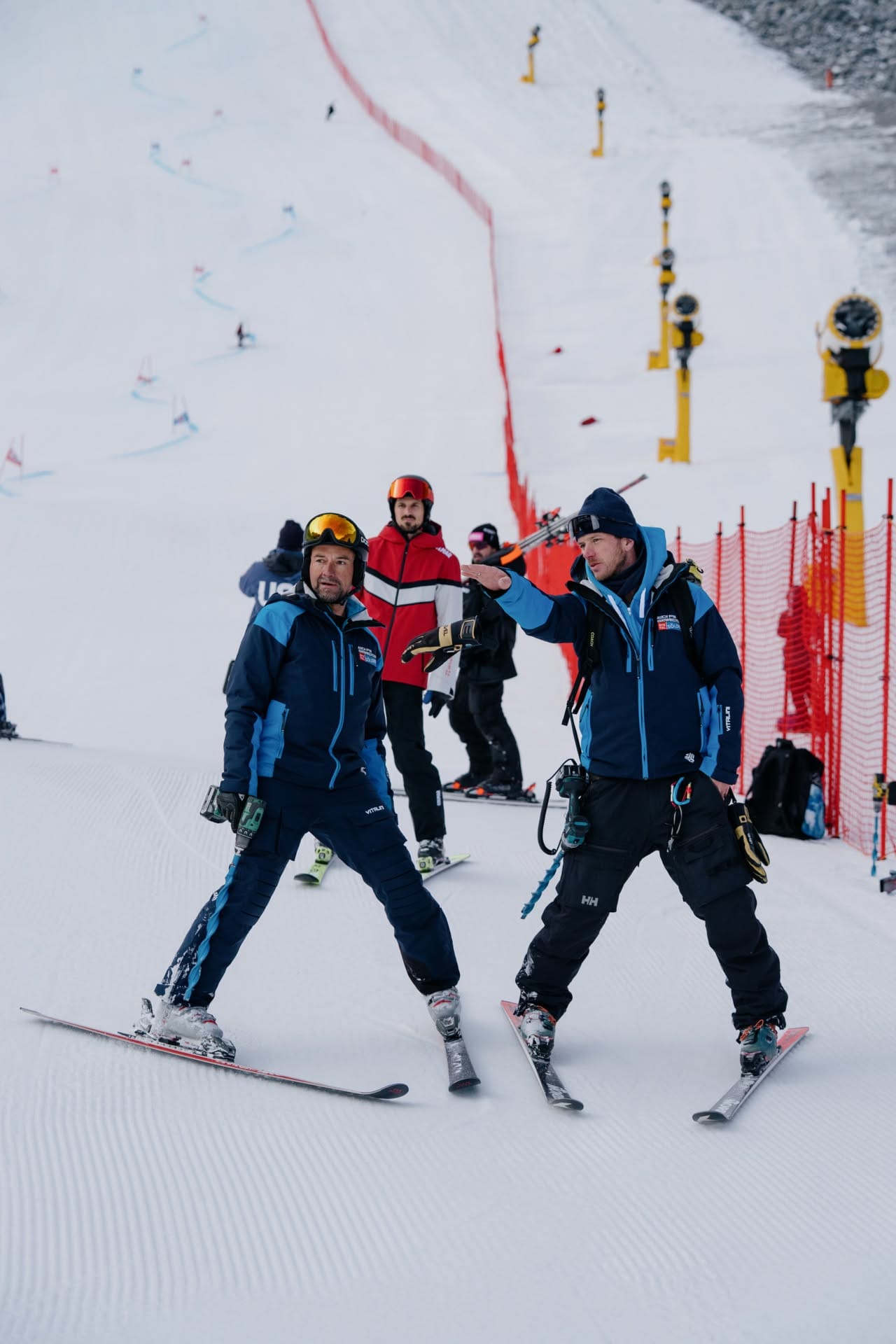
Organizers confirmed that preparing the slope was made possible, among other measures, by storing approximately 60,000 cubic meters of snow preserved since last spring through snow farming techniques. Combined with snowmaking installations and the recent arrival of colder temperatures, this system enabled the preparation of the race surface on the Rettenbach glacier. The course, featuring gradients of up to 68% and a vertical drop of approximately 370 meters, will once again demand peak technical precision from the racers.
The operation reflects one of contemporary alpine industry's greatest challenges: maintaining the reliability of its sporting and tourism calendar amid growing climate uncertainty. The ability to conserve snow, optimize resources, and develop resilient infrastructure has become an issue that transcends sports management, directly impacting destinations' economic competitiveness.
Sölden also embodies this evolution from an investment perspective. For the 2026/27 season, the resort continues modernizing its facilities with a new six-seater chairlift in Gratl, upgrades to its snowmaking systems, and the expansion of its photovoltaic infrastructure on the Tiefenbach glacier, projected to reach an output of 6.5 MWp. These initiatives reflect a long-term strategy in which technology, operational efficiency, and guest experience are part of the same business equation.
FAR MORE THAN A RACE: THE GLOBAL VALUE OF AN ALPINE BRAND
In an increasingly competitive tourism market, differentiation has become one of ski resorts' premier assets. Destinations such as Sölden have realized that their value proposition cannot rely solely on skiable kilometers or the quality of their lifts. High-altitude gastronomy, architecture, entertainment, international events, and exclusive experiences all contribute to building a recognizable and commercially compelling identity.
The World Cup fits into this strategy as a global communications platform. The presence of world-class athletes and international brands multiplies touchpoints with prospective consumers and associates the destination with values of excellence, performance, innovation, and prestige. For sponsors, the circuit similarly represents an opportunity to connect with an international audience engaged in sports, travel, and premium mountain experiences.
Yet the true strategic return emerges when the sporting event ceases to be seen as an isolated occurrence and becomes embedded in a broader destination vision. The capacity to transform the spotlight of a single weekend into lasting commercial relationships, new tourism opportunities, and a sustained brand narrative throughout winter is what distinguishes elite alpine enclaves.
In this regard, the competition also prompts broader industry reflection: the value of hosting an international event lies not solely in its media reach, but in the capacity to distribute its economic dividend across local stakeholders, from major tour operators to the small businesses anchoring the valley's economy.
SÖLDEN OPENS THE SEASON AND SETS THE TEMPO FOR A GLOBAL INDUSTRY
With the opening of the 2026/27 World Cup, Sölden returns to the center of the global ski conversation. Sporting attention will focus on the season's inaugural points, the return of marquee athletes, and a contest that traditionally provides the first insights into the frontrunners' early-season form.
At the same time, the weekend serves as a reminder of the economic scale of a sport that acts as a primary economic driver for numerous mountain regions. Behind every start gate, finish line, and podium lies an intricate network of investment, logistical organization, infrastructure, and enterprise connecting sporting drama to host territory prosperity.
The World Cup begins on the Rettenbach glacier, but its impact reverberates far below—through the hotels, streets, shops, and businesses of the valley. Because in the Alps, when racing commences, it signals more than just a new sporting season; it sets in motion an industry that has turned mountains into one of Europe's premier economic and tourism assets.
All images: ©Ötztal Tourismus - Tobias Siegele