%20--%3e%3cdefs%3e%3cstyle%3e%20.st0%20{%20fill:%20%231d1d1b;%20}%20%3c/style%3e%3c/defs%3e%3cpath%20class='st0'%20d='M174.5,69.9c-2.1-4.9-5.6-10.7-10.4-17.3-4.9-6.6-11-13.3-18.2-20-8.3-8.3-17.9-14.7-28.8-19-10.9-4.4-21.9-6.6-33-6.6s-23.7,2.7-33,8.1c-6.4,4.4-11.6,10.3-15.1,17.7-3.7,7.3-5.4,15.2-5.4,23.6,0,32.9,22.7,53.8,68,62.6,35.6,7,60.4,17.4,74.7,31.3,14.2,13.9,20.5,32.9,18.7,57-1.3,25.5-10.7,44.2-28.2,56.3-17.4,12.2-38.5,18.4-62.8,18.7-20-.2-38.3-3-55.2-8.1-16.9-5.2-31.2-12.6-43.1-22.1l-1.1-67.7c7.2,22.8,19.5,42,36.8,57.6,17.2,15.6,36.3,25.6,57.3,29.9,7.6,1.6,14.8,2.3,21.8,2.3,17.1,0,31.1-4.2,42.2-12.7,11-8.4,16.6-21.2,16.6-38.3s-6.4-30.7-19.5-43c-13-12.3-36.5-22.2-70.4-29.8-29.3-6.4-49.3-16.2-60.1-29.3-10.8-13.1-15.9-29.1-15.3-48,.2-14,4.2-26.3,12-37.1s18.4-19.2,31.9-25.2c13.4-6.1,28.8-9.1,45.9-9.1s28.2,1.9,41,5.7c12.8,3.8,23.7,8.3,32.5,13.8l.8,49h-.3Z'/%3e%3cpath%20class='st0'%20d='M269.3,250c0,11.1,3.7,18.4,10.9,22,7.2,3.4,14,5.2,20.2,5.2h-90.2c6.2,0,12.9-1.8,20-5.2,7.1-3.4,10.7-10.8,10.7-22V32.1c0-11.1-3.4-18.4-10.4-22-7-3.4-13.8-5.2-20.2-5.2h90.2c-6.4,0-13.3,1.8-20.5,5.2s-10.7,10.8-10.7,22v217.7h0ZM403.9,236.7c8.8,11.4,17.7,20.5,26.7,27.2,8.9,6.8,16.8,11.2,23.6,13.6l-53.7-.8c-9.1-8.3-18.2-18.6-27.6-30.7l-73.1-94.9c-2.3-3.1-5.3-4.7-8.9-4.7-6,0-12.4,3.7-19.5,10.9l90.6-108.5c5.7-6.8,8.6-13.4,8.6-20.2s-2-11.1-6-15.3-9.2-6.9-15.8-8h80.5c-2.3,0-7.6,1.7-15.8,5-8.1,3.3-17.7,9.9-28.6,19.5-4.9,4.4-13.1,13.6-24.7,27.6-11.6,14-21.6,26.3-30.1,36.9l-6.2,7.8c-5.7,5.7-8.6,11.1-8.6,16.3s1.9,8.4,5.8,13.6l82.8,104.6v.2Z'/%3e%3cpath%20class='st0'%20d='M516.2,248.4c0,11.7,3.7,19.3,11.1,23.1,7.3,3.8,14.3,5.7,20.8,5.7h-91.4c6.4,0,13.3-1.9,20.6-5.7s10.9-11.4,10.9-23.1V33.7c0-11.9-3.7-19.7-10.9-23.3s-14.1-5.4-20.6-5.4h91.4c-6.4,0-13.4,1.8-20.8,5.4-7.3,3.7-11.1,11.4-11.1,23.3v214.6h0Z'/%3e%3cpath%20class='st0'%20d='M770.2,243.3c4.9,13,10.8,21.7,17.4,26.2,6.8,4.6,12.7,7.1,17.9,7.6h-88.2c6.8-.8,12.4-2.9,17.1-6.2s7-8.1,7-14.3-.8-7.6-2.3-11.7l-28.8-80.9h-91l-25.7,70c-2.9,7.2-4.2,13.6-4.2,19,0,14.6,9.7,22.6,29.1,24.1h-72.4c8.8-.6,16.9-4.7,24.3-12.4,7.3-7.8,13.8-18.9,19.2-33.5L678-3.2l1.1,3.4,91,243.1ZM658.7,59.8c-1.9,4.4-4.6,11-8,19.8l-29.6,80.5h87.5l-30.7-87.5c-2.9-7.8-5.2-13-7.2-15.6-1.9-2.6-3.8-3.9-5.7-3.9s-4.4,2.2-6.4,6.6h.1Z'/%3e%3cpath%20class='st0'%20d='M1008.6,243.3c4.9,13,10.8,21.7,17.4,26.2,6.8,4.6,12.7,7.1,17.9,7.6h-88.2c6.8-.8,12.4-2.9,17.1-6.2s7-8.1,7-14.3-.8-7.6-2.3-11.7l-28.8-80.9h-91l-25.7,70c-2.9,7.2-4.2,13.6-4.2,19,0,14.6,9.7,22.6,29.1,24.1h-72.4c8.8-.6,16.9-4.7,24.3-12.4,7.3-7.8,13.8-18.9,19.2-33.5L916.3-3.2l1.1,3.4,91,243.1h.1ZM897.1,59.8c-1.9,4.4-4.6,11-8,19.8l-29.6,80.5h87.5l-30.7-87.5c-2.9-7.8-5.2-13-7.2-15.6-1.9-2.6-3.8-3.9-5.7-3.9s-4.4,2.2-6.4,6.6h.1Z'/%3e%3cpath%20class='st0'%20d='M1241.1,244.5c4.9,8.6,11,15.6,18.1,21s14.1,9.3,20.8,11.7h-47.8c-8-8-16.9-20.8-26.5-38.1l-37.3-63c-7.6-12.7-15.7-21-24.3-24.9s-19.6-5.8-32.5-5.8h-12.4v107.7c0,9.9,3.3,16.3,9.9,19.5s12.9,4.7,18.9,4.7h-87.9c6.4,0,13.2-1.8,20.2-5.2s10.4-10.8,10.4-22V32.1c0-11.1-3.6-18.4-10.7-22-7.1-3.4-13.8-5.2-20-5.2,10.3,0,25.5-.2,45.1-.8l37.7-.3c29,0,51.5,2.1,67.2,6.4,15.8,4.2,27.5,12.9,35,25.9,6.2,9.9,9.3,21.9,9.3,36.1s-2.4,22.2-7.3,32.5c-4.9,10.2-11.7,18.4-20.2,24.7-5.4,3.9-11.7,7.2-18.7,9.9s-13.4,4.3-19.5,4.9c4.7,1.3,9.6,4.2,14.8,8.9,5.2,4.7,11.1,13,17.9,24.9l39.7,66.5h0ZM1187.6,120.5c12.3-12.2,18.4-28.1,18.4-47.8s-7.4-42-22.3-51.6c-14.9-9.4-36.7-14.2-65.1-14.2s-15,.1-19.5.3v134.1c9.3,0,21.6-.2,36.6-.8,22.3-1.3,39.6-8,51.9-20.2h0Z'/%3e%3c/svg%3e)
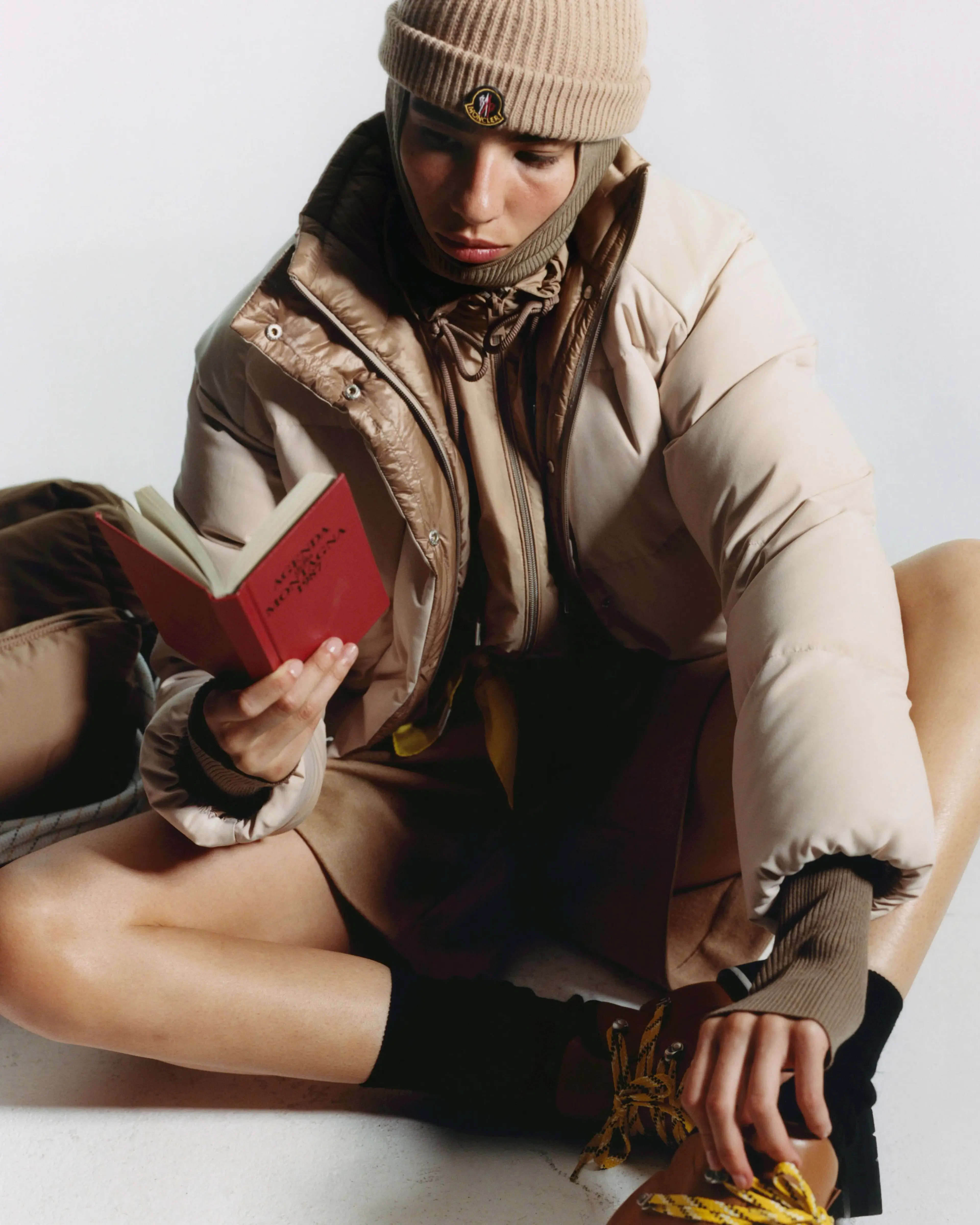
For 2026, Moncler reintroduces four of its most iconic pieces—Karakorum, Verone, Himalaya, and Tibb—and reinterprets them from a new perspective: that of a generation looking to the past while continually moving forward.
There are garments whose impact defines an era. In Moncler's case, some of its jackets have transcended their original function to become cultural codes: pieces born for the mountains that ended up occupying the streets of Milan, the wardrobes of a new generation, and, finally, the imagination of contemporary fashion.
Moncler Re/Icons starts there. For its 2026 collection, the Maison returns to its archives to revive four fundamental models from its history: Karakorum, Verone, Himalaya, and Tibb.
For the first time, Re/Icons also expands its outerwear universe further to incorporate a selection of complete ready-to-wear silhouettes, building a broader proposal around these icons.
From the Eight-Thousanders to the Streets of Milan
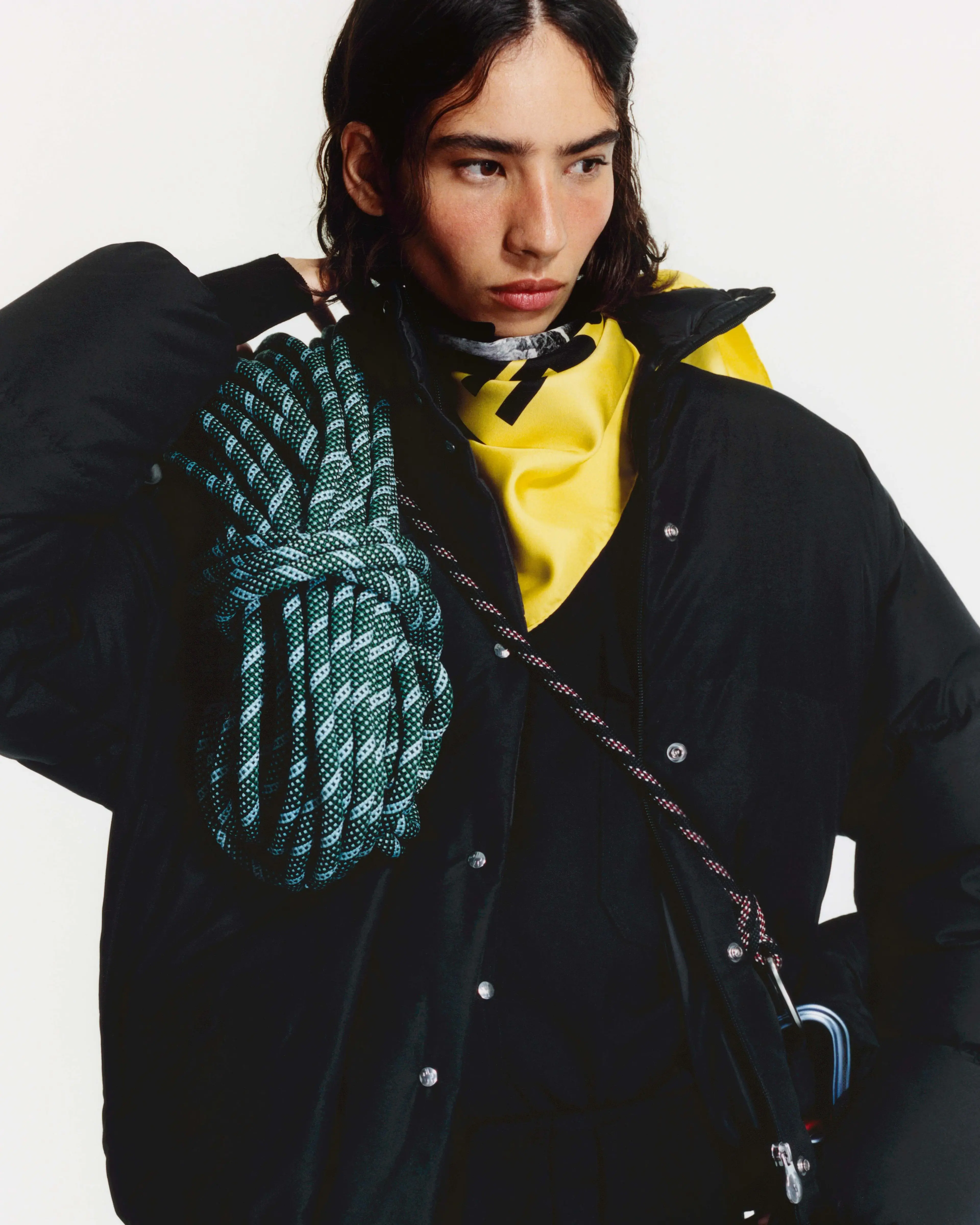
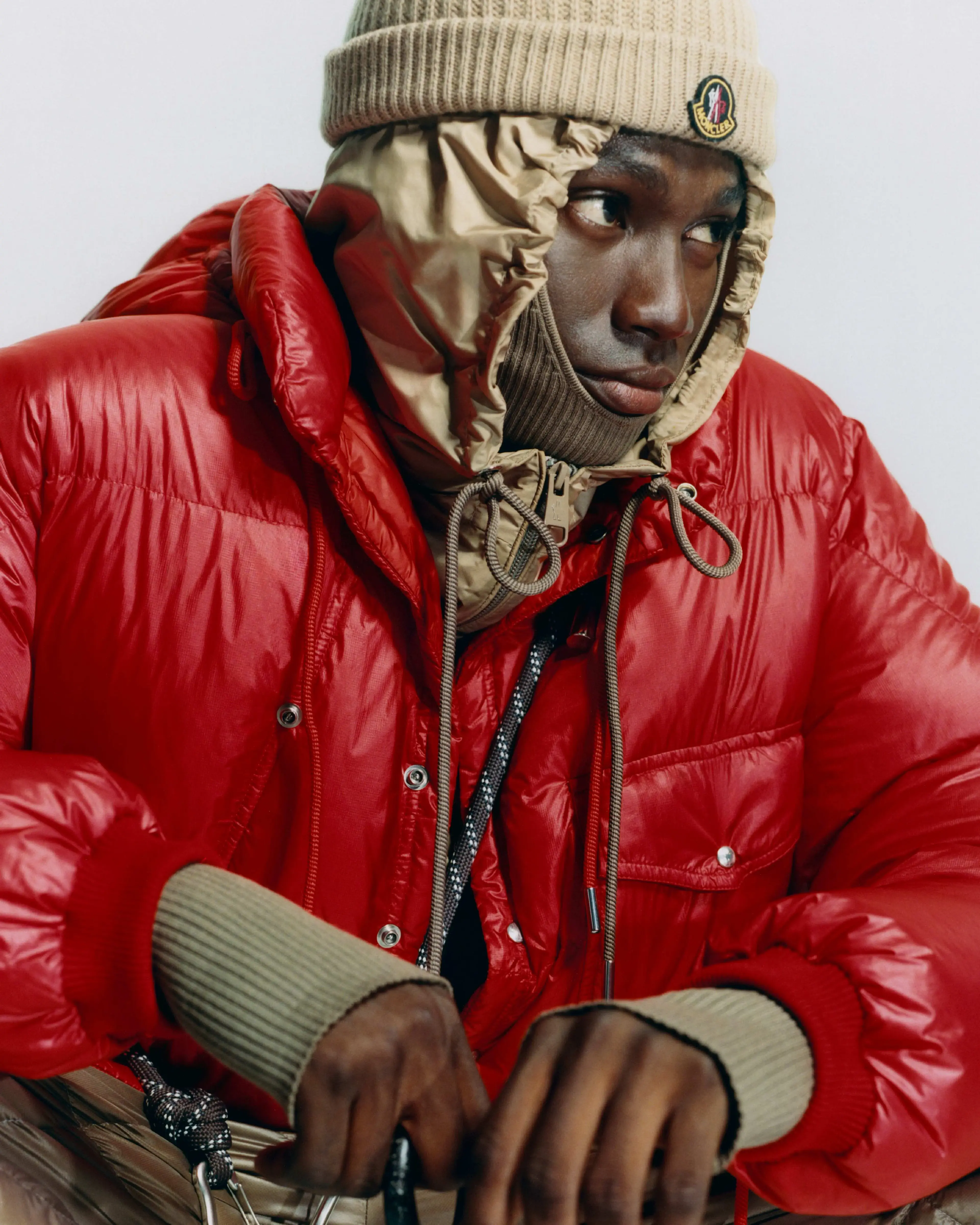
The story begins in 1954, with the Karakorum. Its name is linked to one of the most important pages in Italian mountaineering: the expedition that would take Achille Compagnoni and Lino Lacedelli to the summit of K2. Originally designed as a true expedition parka, it was conceived to protect against extreme conditions.
More than seven decades later, it retains much of that DNA. The detachable hood, drawstring, inner straps, and characteristic large front pocket remain, but the construction transforms. The original cotton gives way to a shiny micro-ripstop of barely 10 deniers, considerably lighter.
This is a constant in Re/Icons: maintaining what makes a piece recognizable and modifying everything else.
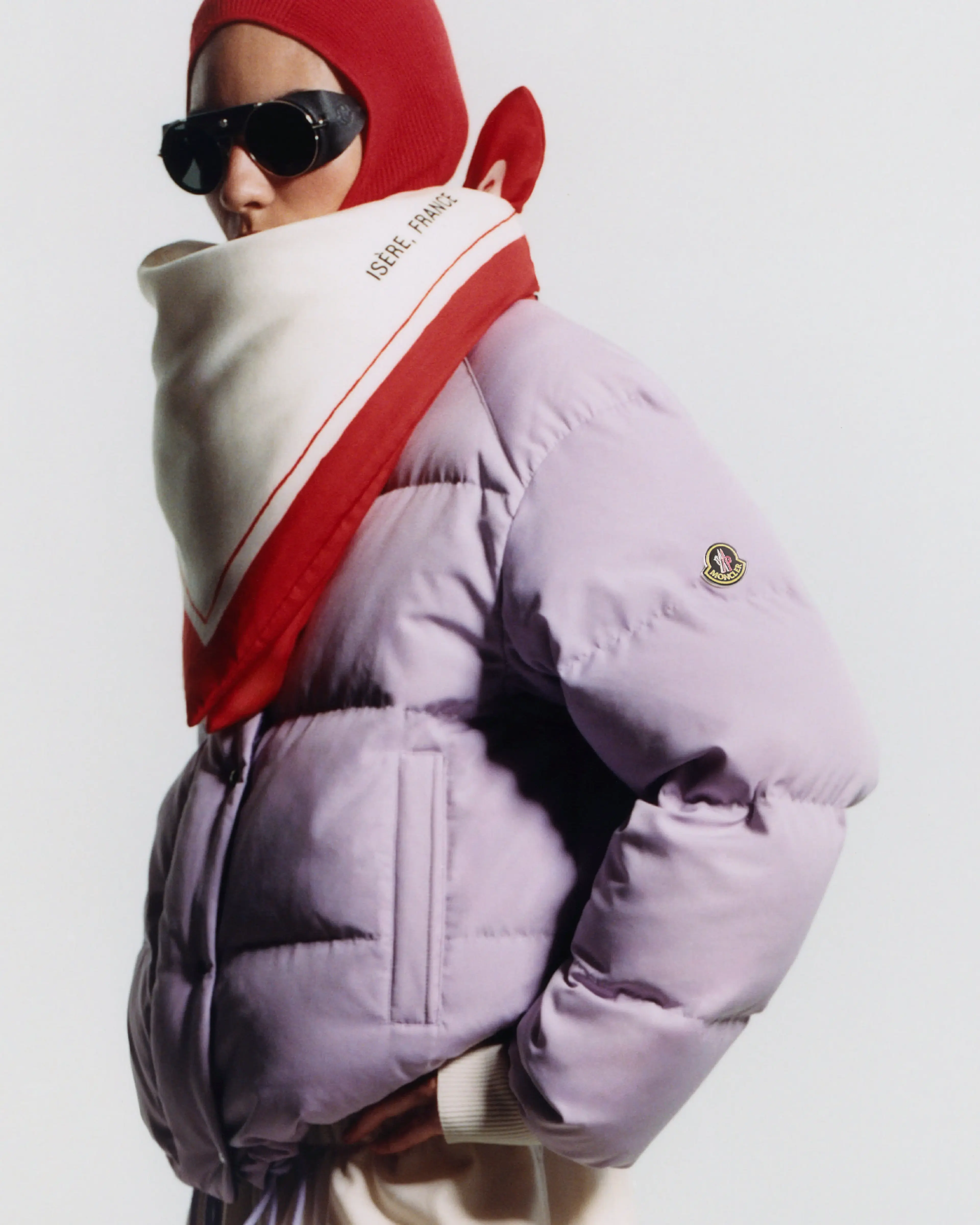
The Verone tells a different story. Its origin takes us back to the 1980s and the Paninari milanesi, the youth movement that turned doudoune culture into an urban phenomenon. The mountain was no longer Moncler's sole territory. The garment had also begun to function as a style code.
In 2026, that silhouette returns reinterpreted in light, matte micro-cotton, with a relaxed volume and a palette ranging from pastel pink to lilac, including navy and grey. A piece born in the city that nevertheless retains the memory of the mountains.
The Spirit of Expedition
The Himalaya belongs to a later generation but is rooted in the same culture of exploration. Launched in 2009, its history connects with some of the great mountaineering figures associated with Moncler, including Lionel Terray, a pioneer of the Maison and one of the great names in French climbing.
Terray was equipped by Moncler for his expeditions, including the historic ascent of Makalu. This relationship between mountaineering, innovation, and technical equipment is part of the identity upon which the Maison continues to build.
For 2026, the Himalaya maintains its essential codes: the adjustable hood, sleeve pocket, compact volume, but changes its expression through a combination of soft cotton and matte nylon.
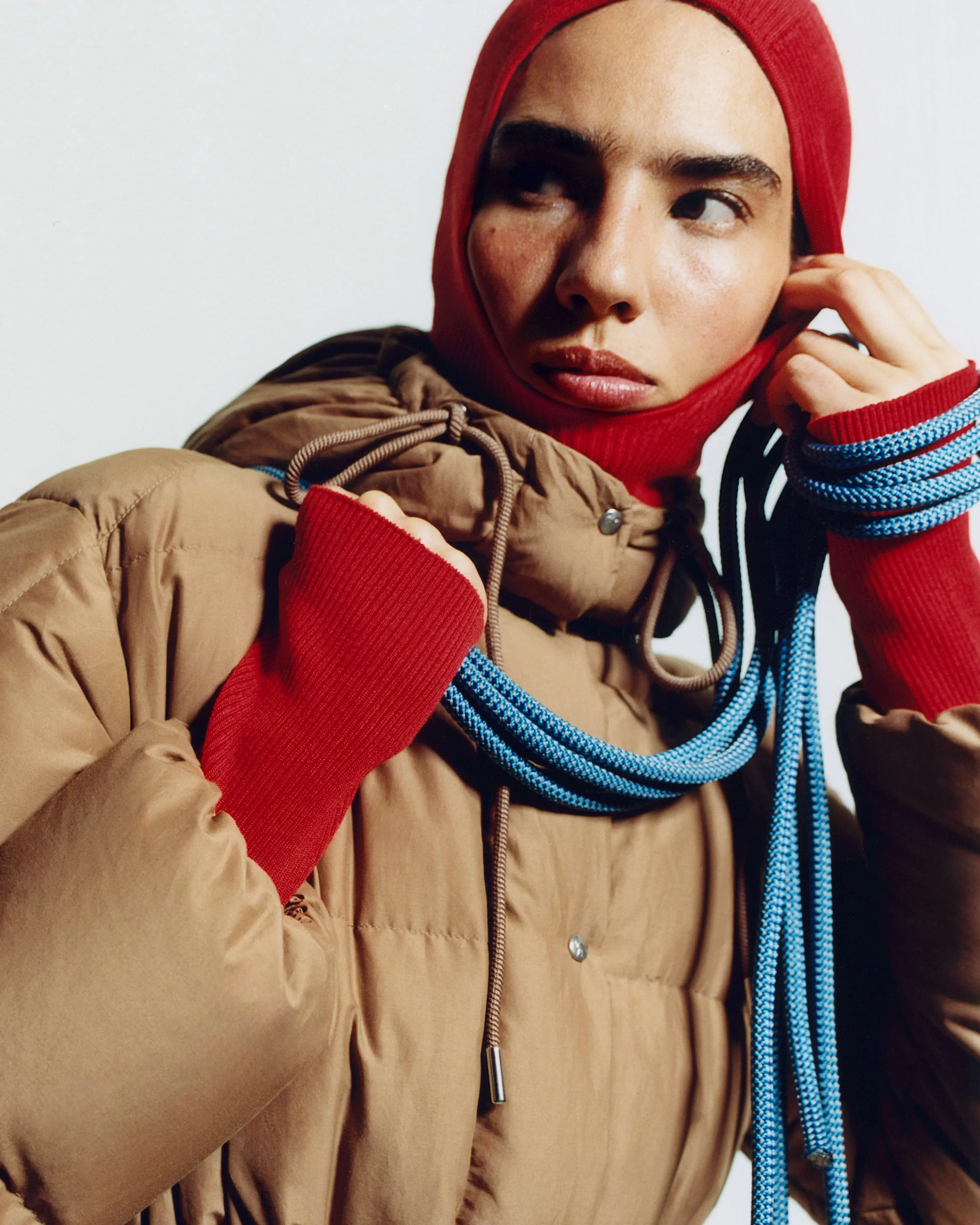
The last icon is the Tibb, a piece associated with the evolution of Moncler during the 1980s. Its oversized silhouette, characteristic horizontal matelassé, round pull tabs, and metallic logo remain recognizable. The new versions, however, introduce recycled materials and wool gabardine, moving the piece into a more contemporary territory.
Four decades. Four codes. One shared idea: the mountain as origin, not as limit.
Pioneers in Moncler with Extraordinary Dreams
Re/Icons does not just revive garments. It also revives the stories that made them possible.
Under the concept Pioneers in Moncler with Extraordinary Dreams, the Maison returns to its photographic archives and the images of its first expeditions to reconstruct a time when technical clothing had a much more elemental function: to allow someone to go further.
Jackets, sleeping bags, equipment, and garments designed to withstand extreme conditions appear alongside the protagonists of those expeditions. These are documents from an era when innovation was not yet an aesthetic concern, but a necessity.
That spirit remains in contemporary Moncler. Exploration has changed in form, but not in meaning.
A Diary to Start Anew
This conversation between past and present finds another expression in Alpine Diary, a publication conceived as an imaginary travel journal.
The story is constructed through the fictional gaze of a 1950s explorer. Manuscripts, black and white archive photographs, and new collection images blend together like pages belonging to different eras of the same diary.
The result functions not so much as an archive book but as a reconstructed memory. Moncler's historical expeditions dialogue with the 2026 silhouettes, and the mountain appears as a shared territory across generations.
The Archive as a Starting Point
Presented in Paris on October 5th and 6th, during Fashion Week, at Il Rifugio, the private space created inside the Moncler boutique on the Champs-Élysées, Re/Icons proposes a simple yet powerful idea: the future can also be built by looking back.
Karakorum, Verone, Himalaya, and Tibb are no longer just pieces belonging to Moncler's history. They are objects capable of crossing generations, contexts, and territories.
Because the mountain has always been part of Moncler's language. But perhaps what is truly Moncler is precisely this: having learned to carry that spirit far beyond the mountains.