%20--%3e%3cdefs%3e%3cstyle%3e%20.st0%20{%20fill:%20%231d1d1b;%20}%20%3c/style%3e%3c/defs%3e%3cpath%20class='st0'%20d='M174.5,69.9c-2.1-4.9-5.6-10.7-10.4-17.3-4.9-6.6-11-13.3-18.2-20-8.3-8.3-17.9-14.7-28.8-19-10.9-4.4-21.9-6.6-33-6.6s-23.7,2.7-33,8.1c-6.4,4.4-11.6,10.3-15.1,17.7-3.7,7.3-5.4,15.2-5.4,23.6,0,32.9,22.7,53.8,68,62.6,35.6,7,60.4,17.4,74.7,31.3,14.2,13.9,20.5,32.9,18.7,57-1.3,25.5-10.7,44.2-28.2,56.3-17.4,12.2-38.5,18.4-62.8,18.7-20-.2-38.3-3-55.2-8.1-16.9-5.2-31.2-12.6-43.1-22.1l-1.1-67.7c7.2,22.8,19.5,42,36.8,57.6,17.2,15.6,36.3,25.6,57.3,29.9,7.6,1.6,14.8,2.3,21.8,2.3,17.1,0,31.1-4.2,42.2-12.7,11-8.4,16.6-21.2,16.6-38.3s-6.4-30.7-19.5-43c-13-12.3-36.5-22.2-70.4-29.8-29.3-6.4-49.3-16.2-60.1-29.3-10.8-13.1-15.9-29.1-15.3-48,.2-14,4.2-26.3,12-37.1s18.4-19.2,31.9-25.2c13.4-6.1,28.8-9.1,45.9-9.1s28.2,1.9,41,5.7c12.8,3.8,23.7,8.3,32.5,13.8l.8,49h-.3Z'/%3e%3cpath%20class='st0'%20d='M269.3,250c0,11.1,3.7,18.4,10.9,22,7.2,3.4,14,5.2,20.2,5.2h-90.2c6.2,0,12.9-1.8,20-5.2,7.1-3.4,10.7-10.8,10.7-22V32.1c0-11.1-3.4-18.4-10.4-22-7-3.4-13.8-5.2-20.2-5.2h90.2c-6.4,0-13.3,1.8-20.5,5.2s-10.7,10.8-10.7,22v217.7h0ZM403.9,236.7c8.8,11.4,17.7,20.5,26.7,27.2,8.9,6.8,16.8,11.2,23.6,13.6l-53.7-.8c-9.1-8.3-18.2-18.6-27.6-30.7l-73.1-94.9c-2.3-3.1-5.3-4.7-8.9-4.7-6,0-12.4,3.7-19.5,10.9l90.6-108.5c5.7-6.8,8.6-13.4,8.6-20.2s-2-11.1-6-15.3-9.2-6.9-15.8-8h80.5c-2.3,0-7.6,1.7-15.8,5-8.1,3.3-17.7,9.9-28.6,19.5-4.9,4.4-13.1,13.6-24.7,27.6-11.6,14-21.6,26.3-30.1,36.9l-6.2,7.8c-5.7,5.7-8.6,11.1-8.6,16.3s1.9,8.4,5.8,13.6l82.8,104.6v.2Z'/%3e%3cpath%20class='st0'%20d='M516.2,248.4c0,11.7,3.7,19.3,11.1,23.1,7.3,3.8,14.3,5.7,20.8,5.7h-91.4c6.4,0,13.3-1.9,20.6-5.7s10.9-11.4,10.9-23.1V33.7c0-11.9-3.7-19.7-10.9-23.3s-14.1-5.4-20.6-5.4h91.4c-6.4,0-13.4,1.8-20.8,5.4-7.3,3.7-11.1,11.4-11.1,23.3v214.6h0Z'/%3e%3cpath%20class='st0'%20d='M770.2,243.3c4.9,13,10.8,21.7,17.4,26.2,6.8,4.6,12.7,7.1,17.9,7.6h-88.2c6.8-.8,12.4-2.9,17.1-6.2s7-8.1,7-14.3-.8-7.6-2.3-11.7l-28.8-80.9h-91l-25.7,70c-2.9,7.2-4.2,13.6-4.2,19,0,14.6,9.7,22.6,29.1,24.1h-72.4c8.8-.6,16.9-4.7,24.3-12.4,7.3-7.8,13.8-18.9,19.2-33.5L678-3.2l1.1,3.4,91,243.1ZM658.7,59.8c-1.9,4.4-4.6,11-8,19.8l-29.6,80.5h87.5l-30.7-87.5c-2.9-7.8-5.2-13-7.2-15.6-1.9-2.6-3.8-3.9-5.7-3.9s-4.4,2.2-6.4,6.6h.1Z'/%3e%3cpath%20class='st0'%20d='M1008.6,243.3c4.9,13,10.8,21.7,17.4,26.2,6.8,4.6,12.7,7.1,17.9,7.6h-88.2c6.8-.8,12.4-2.9,17.1-6.2s7-8.1,7-14.3-.8-7.6-2.3-11.7l-28.8-80.9h-91l-25.7,70c-2.9,7.2-4.2,13.6-4.2,19,0,14.6,9.7,22.6,29.1,24.1h-72.4c8.8-.6,16.9-4.7,24.3-12.4,7.3-7.8,13.8-18.9,19.2-33.5L916.3-3.2l1.1,3.4,91,243.1h.1ZM897.1,59.8c-1.9,4.4-4.6,11-8,19.8l-29.6,80.5h87.5l-30.7-87.5c-2.9-7.8-5.2-13-7.2-15.6-1.9-2.6-3.8-3.9-5.7-3.9s-4.4,2.2-6.4,6.6h.1Z'/%3e%3cpath%20class='st0'%20d='M1241.1,244.5c4.9,8.6,11,15.6,18.1,21s14.1,9.3,20.8,11.7h-47.8c-8-8-16.9-20.8-26.5-38.1l-37.3-63c-7.6-12.7-15.7-21-24.3-24.9s-19.6-5.8-32.5-5.8h-12.4v107.7c0,9.9,3.3,16.3,9.9,19.5s12.9,4.7,18.9,4.7h-87.9c6.4,0,13.2-1.8,20.2-5.2s10.4-10.8,10.4-22V32.1c0-11.1-3.6-18.4-10.7-22-7.1-3.4-13.8-5.2-20-5.2,10.3,0,25.5-.2,45.1-.8l37.7-.3c29,0,51.5,2.1,67.2,6.4,15.8,4.2,27.5,12.9,35,25.9,6.2,9.9,9.3,21.9,9.3,36.1s-2.4,22.2-7.3,32.5c-4.9,10.2-11.7,18.4-20.2,24.7-5.4,3.9-11.7,7.2-18.7,9.9s-13.4,4.3-19.5,4.9c4.7,1.3,9.6,4.2,14.8,8.9,5.2,4.7,11.1,13,17.9,24.9l39.7,66.5h0ZM1187.6,120.5c12.3-12.2,18.4-28.1,18.4-47.8s-7.4-42-22.3-51.6c-14.9-9.4-36.7-14.2-65.1-14.2s-15,.1-19.5.3v134.1c9.3,0,21.6-.2,36.6-.8,22.3-1.3,39.6-8,51.9-20.2h0Z'/%3e%3c/svg%3e)


Suiza and Sweden advance the snow calendar thanks to snow farming. Schilthorn is already training some of the best riders on 160,000 m³ of preserved snow, while Kläppen prepares for the first commercial snowpark opening this season in the northern hemisphere.
European winter hasn't arrived yet, but in the northern mountains, the calendar seems to have ceased depending exclusively on it. While much of the Alps awaits the season's first significant snowfalls, Schilthorn in Switzerland and Kläppen in Sweden have found another way to start: storing the previous winter.
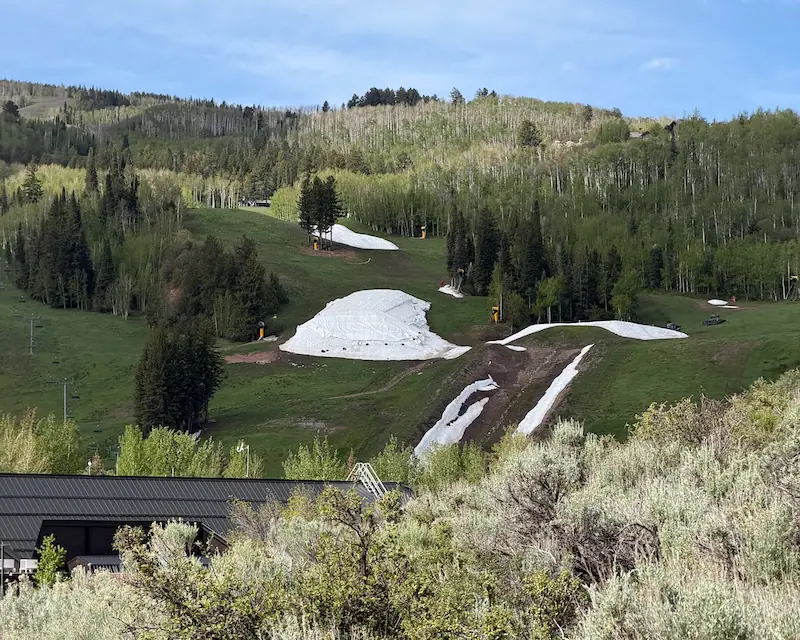
The technique is known as snow farming, and its principle is relatively simple. At the end of the season, large volumes of snow are accumulated in deposits and covered with insulating materials capable of reducing their loss during the warm months. When autumn arrives, this snow is spread back over the mountain. What just a few years ago might have seemed an experimental solution is becoming a strategic tool for some European resorts. It not only allows for earlier openings but also offers national teams, professional athletes, and destinations greater predictability in a calendar increasingly conditioned by weather. And this autumn, freestyle has been the first to take advantage of it.
Schilthorn: freestyle at almost 3,000 meters
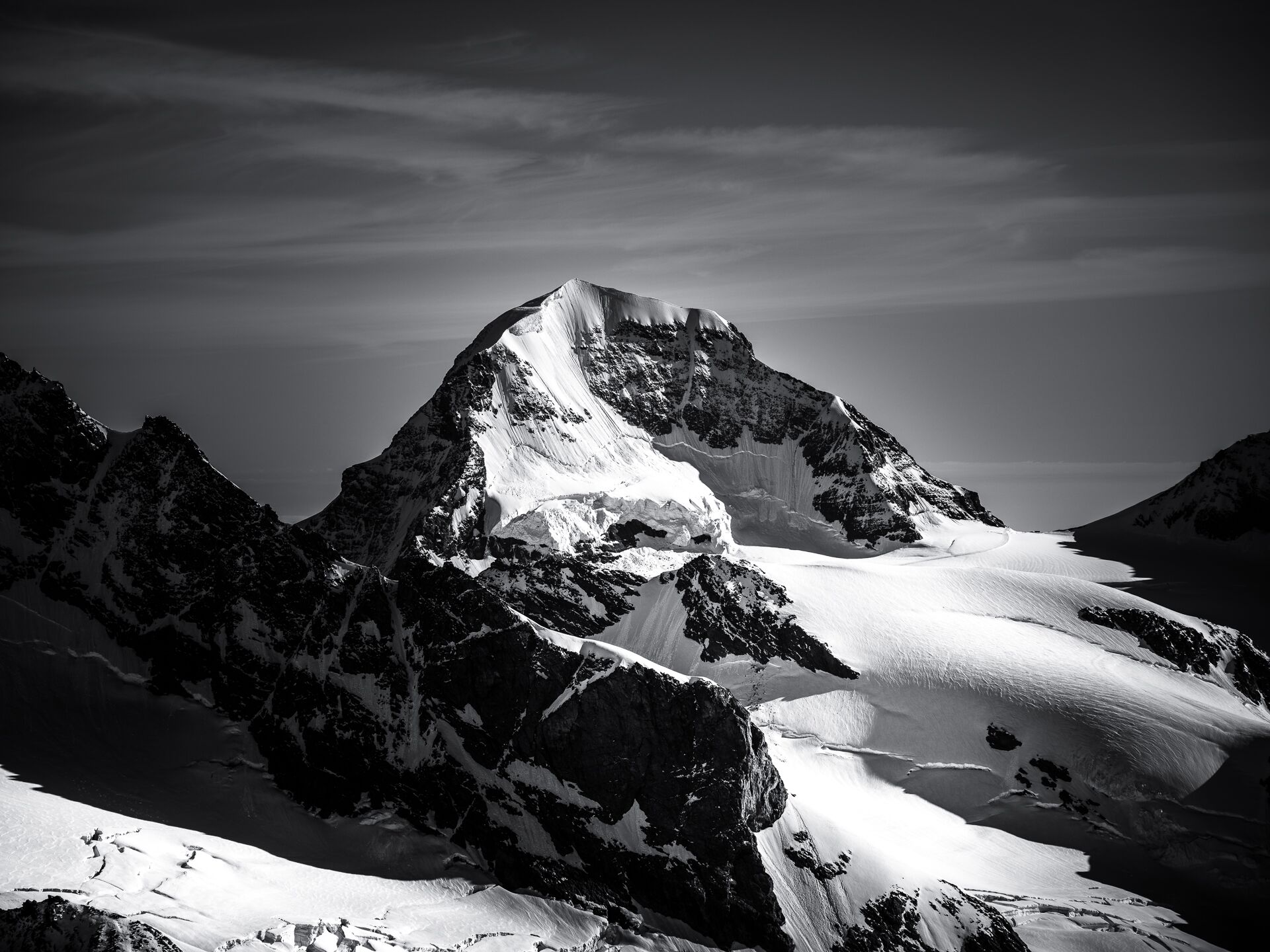
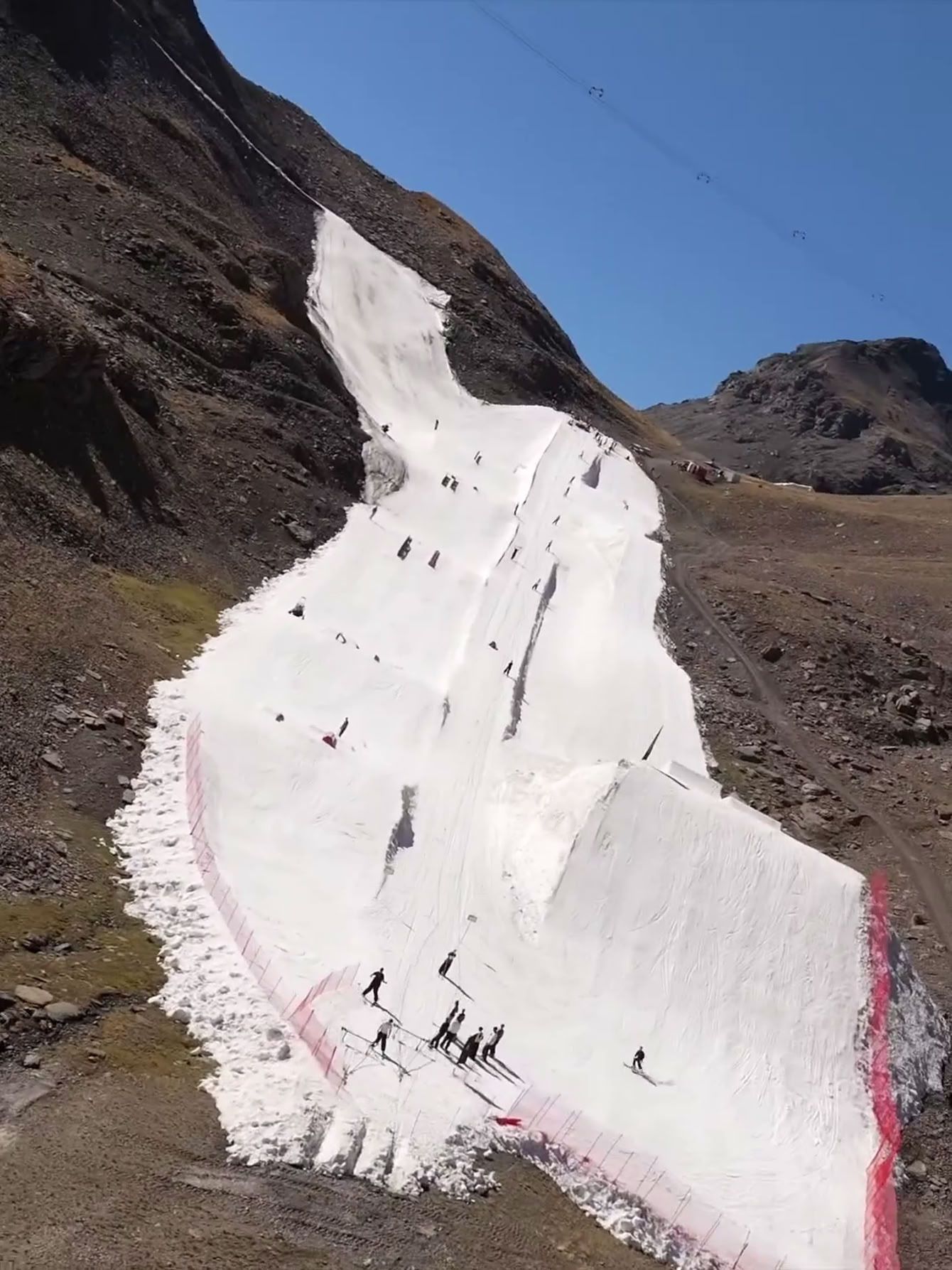
At an altitude of 2,970 meters, Schilthorn's Pända Snowpark opened its third consecutive season on September 26. For now, it's not a conventional opening. Access is reserved for professional freestylers by prior booking and is part of the so-called Pända Freestyle Session, a training period that will extend until October 25. After a brief break, the facility is scheduled to join the general resort opening from November 1.
To achieve this, Schilthorn has conserved approximately 160,000 cubic meters of snow during the summer. On this base, a park specifically designed for high-level training has been built, featuring two main jumps of 13 and 17 meters, as well as rails, boxes, tubes, and two small drag lifts. More than an early opening, Schilthorn thus proposes a preseason infrastructure. In disciplines where having quality snow during September and October can significantly impact sports preparation, guaranteeing several weeks of training acquires a value that transcends the ski area itself.
Kläppen turns October into winter
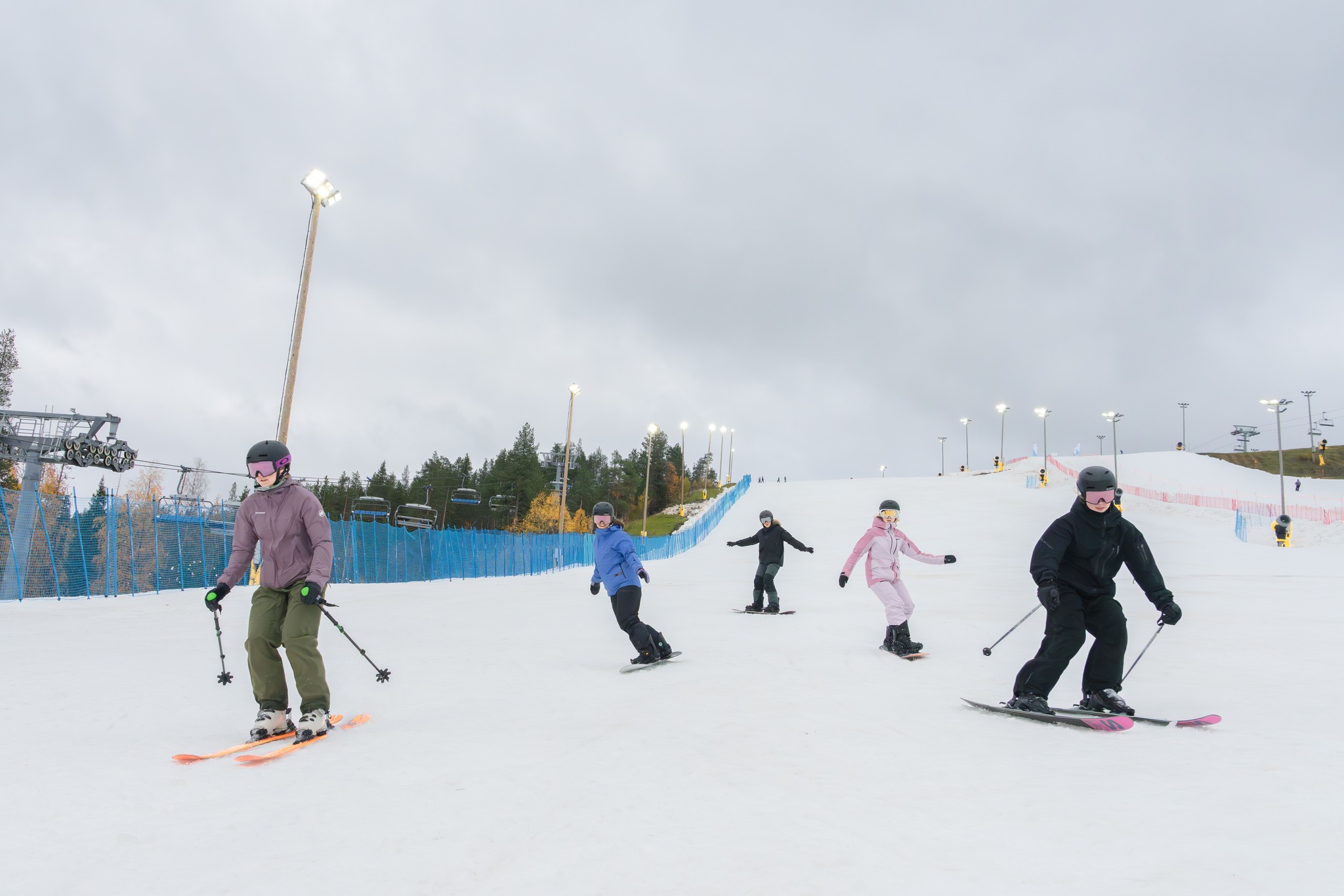
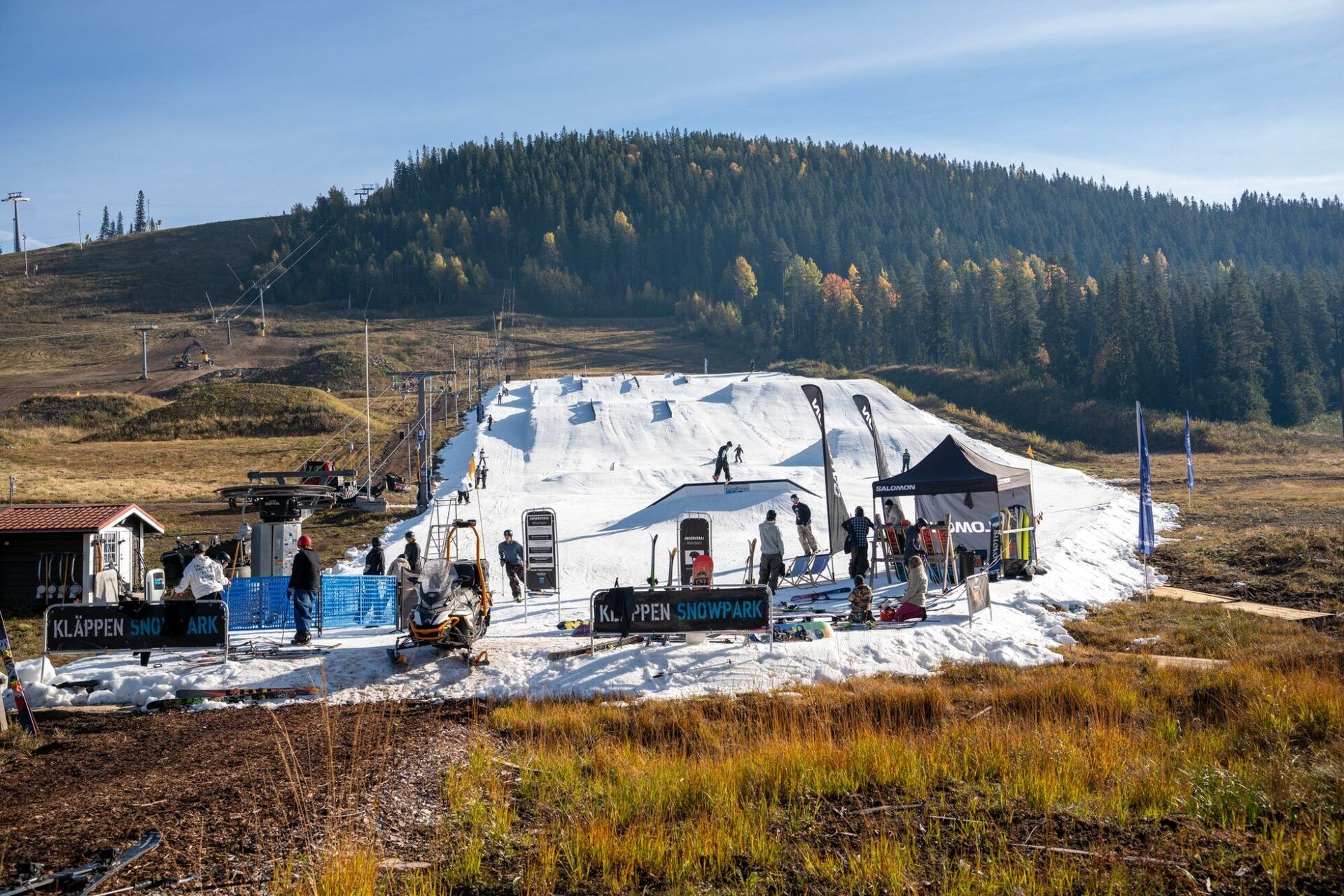
More than 1,500 kilometers north, Kläppen has followed a different strategy. The Swedish resort will open its Höstpark on October 2, and unlike Schilthorn, it will be directly open to the public. This will be its fourth consecutive season using stored snow to advance the start of its activities.
At the end of last winter, Kläppen reserved around 29,000 cubic meters of snow, protected during the summer with insulating blankets and tarpaulins. The forecast was to retain between 60% and 80% of the original volume. The result will be a snowpark with 12 to 15 features, combining jumps, boxes, and rails. This year, moreover, the Höstpark is moving to the Blue Line area, next to Kläppen Arena, allowing lines built on snow to connect with airbag training facilities. A particularly interesting configuration for riders who can progressively work on new tricks before transferring them to snow.
During the inaugural weekend, members of the Swedish national freeski and snowboard teams are also expected to be present. If conditions permit, the park will remain operational daily until November 1.
Finland takes the concept a step further
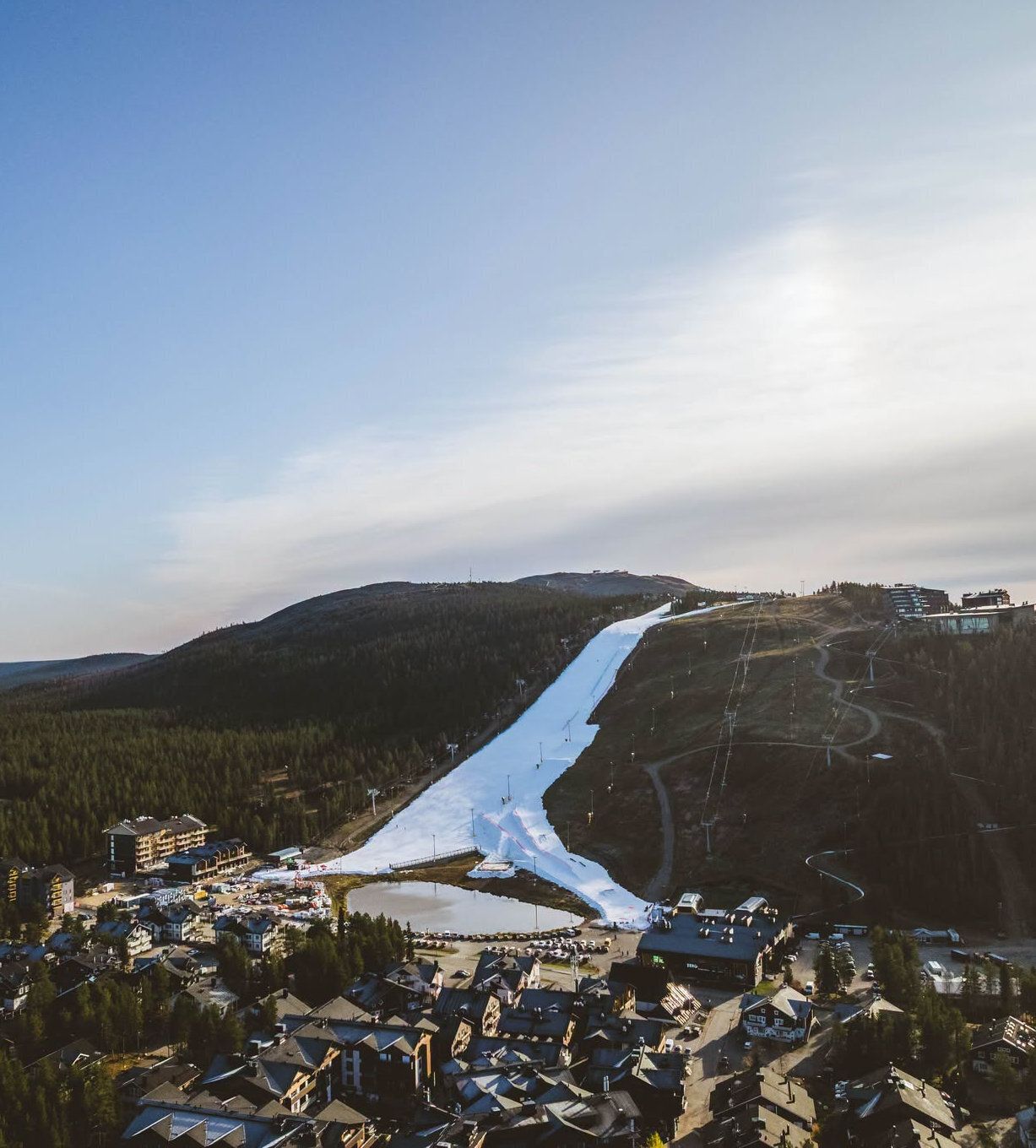
The movement doesn't stop at freestyle. On that same October 2, Levi and Ruka, in Finland, are also scheduled to start their alpine ski season using snow preserved from the previous winter. Levi stored nearly 300,000 cubic meters last spring. Part of this reserve will allow them to prepare Levi Glacier, Front Slope Park, and the mogul slope before temperatures allow for stable production of a new snow base.
Ruka, for its part, benefits from decades of experience. The Finnish resort began experimenting with snow storage systems in the late 1990s and has progressively made the technique a central piece of its operational model. For this season's start, it has preserved approximately 150,000 cubic meters, primarily for the Saarua area. The objective goes far beyond achieving a photograph of white slopes in October: thanks to this system, Ruka can build seasons that exceed 200 days of skiing, extending its activity approximately from October to May.
A new race to control the calendar
Early opening has always been part of the positioning strategy for major snow destinations. Being the first to open generates visibility, attracts teams and clubs, and, above all, conveys a powerful idea to the market: winter has already begun here. But snow farming introduces something different. For decades, advancing a season depended fundamentally on altitude, glaciers, an early snowfall, or a sufficiently intense cold window to activate snow production systems. Now some resorts are incorporating a fourth variable: storage.
It doesn't eliminate reliance on weather or guarantee a season on its own, but it allows shifting part of the meteorological uncertainty to planning done months in advance. Schilthorn uses it to create a training window for professional athletes; Kläppen turns it into a commercial product; Levi integrates it into its alpine opening; and Ruka has taken it to a model capable of sustaining more than half a year of activity.
Four distinct approaches that point in the same direction: the European ski calendar is changing. And perhaps one of the images that best explains it is also one of the most paradoxical: the snow with which the winter of 2026 begins is, in reality, snow from the winter of 2025.